
If you’re wondering whether to schedule your massage before or after your workout, you’re not alone. This is one of the most common questions among fitness enthusiasts, especially those of us over 50 who are paying closer attention to recovery and injury prevention. And with good reason – therapeutic massage offers numerous health benefits beyond just feeling good.
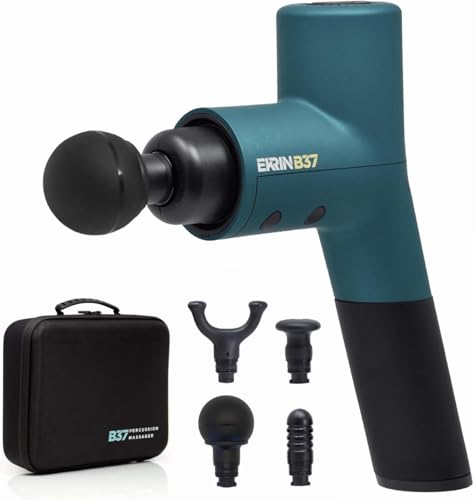
Use code FF20 and save 20% Instantly on Erkin B37!
The short answer? It depends on your goals, but getting a massage after working out is generally the better choice for most people. Let me explain why, and when a pre-workout massage might actually be beneficial. Whether you’re doing low-impact exercises or more intense training, proper recovery is key to staying active and injury-free.
The Case for Post-Workout Massage
Why After Works Best
When you exercise, your muscles undergo microscopic tears (this is normal and how they grow stronger). Your body also produces metabolic waste products like lactic acid. A post-workout massage helps address both of these issues.

Promotes Muscle Recovery
Getting a massage after your workout can significantly speed up recovery time. The gentle pressure helps flush out metabolic waste products and increases blood flow to tired muscles. This means you’ll likely experience less soreness in the days following your workout. The importance of massage after running is particularly well-documented, with similar benefits applying to all forms of exercise.
For those of us over 50, this faster recovery is especially valuable. Our bodies naturally take a bit longer to bounce back from exercise, so anything that helps reduce that recovery window is worth considering.
Reduces Delayed Onset Muscle Soreness (DOMS)
You know that achy feeling you get a day or two after a tough workout? That’s DOMS, and it’s particularly common when you’re trying new exercises or increasing intensity.

Research shows that post-exercise massage can reduce the severity of DOMS by up to 30%. The massage helps reduce inflammation and improves circulation, which means less discomfort and a quicker return to your regular activities. For additional relief, many people combine massage with bath soaks designed for sore muscles for even better recovery results.
Prevents Muscle Tightness
As we age, our muscles tend to become tighter and less flexible. Exercise can sometimes exacerbate this, especially if we’re not stretching properly. A post-workout massage helps prevent this tightness from setting in.
The massage keeps your muscles pliable and supple, maintaining the flexibility gains you’ve worked hard to achieve during your workout.
Timing Your Post-Workout Massage
For best results, schedule your massage within 1-2 hours after finishing your exercise session. This timing allows your heart rate to return to normal while still taking advantage of the increased blood flow from your workout.
A 30-60 minute massage is ideal for most people. You don’t need a deep tissue session every time – a moderate-pressure sports massage or Swedish massage works wonderfully for recovery. If you’re unsure which type is right for you, learn more about the differences between Swedish and deep tissue massage.
When to Get a Massage Before Working Out
While post-workout is generally preferred, there are some situations where a pre-workout massage makes sense.

Light Warm-Up Massage
If you’re dealing with particularly tight muscles or have a history of injury, a brief 10-15 minute massage before exercising can help warm up your muscles and improve range of motion.
This should be a gentle, warming massage – not a deep tissue session. Think of it as a dynamic warm-up for your muscles.
Best for:
- Morning workouts when muscles are particularly stiff
- Athletes with chronic tight spots
- Anyone recovering from previous injuries
- Days when you’re feeling especially tense
Important Caution
Never get a deep or intense massage right before working out. This can actually reduce muscle strength temporarily and increase your injury risk. Your muscles need to be activated and ready to work, not relaxed to the point of being “floppy.”
The Best of Both Worlds: Combining Pre and Post-Workout Massage
Some fitness enthusiasts enjoy incorporating both:
Before your workout: A brief 5-10 minute light massage or self-massage focusing on particularly tight areas. This can be as simple as using a foam roller or massage gun on low intensity. Combine this with stretches you should do every day for optimal warm-up benefits.
After your workout: A full 30-60 minute professional massage session, or extended self-massage work with a roller or massage tools.
This combination gives you the warm-up benefits of pre-exercise work with the full recovery benefits of post-exercise massage.
Massage Alternatives for Active Recovery
Not everyone can afford regular professional massages. Here are some effective alternatives:
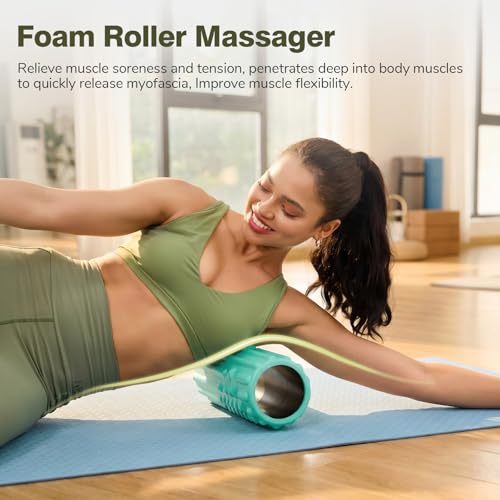
Foam Rolling: An excellent self-massage tool that you can use both before and after workouts. Spend 10-15 minutes rolling out major muscle groups.
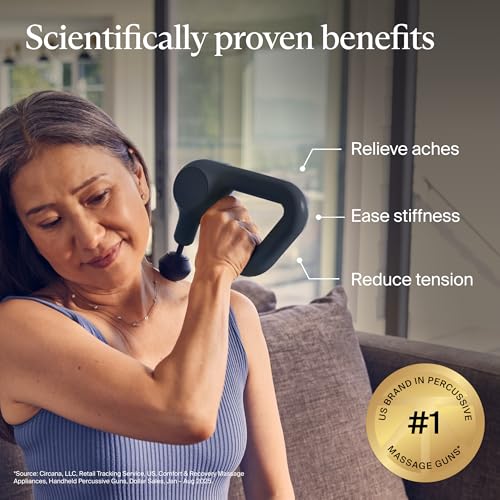
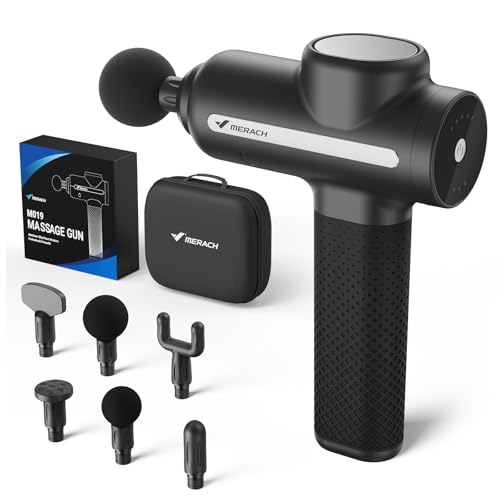
Massage Guns: These percussion therapy devices have become increasingly popular and affordable. They’re great for targeting specific tight spots and can be used pre or post-workout. Massage guns are particularly effective for sore muscles when used correctly. Check out our top muscle massage gun reviews to find the right one for your needs, including budget options under $100.
Tennis Balls or Lacrosse Balls: Perfect for working out knots in hard-to-reach places like your glutes, shoulders, and feet.
Self-Massage: Using your hands to knead sore muscles is free and can be quite effective, especially for areas like your calves, thighs, and forearms.
Special Considerations for the 50+ Exerciser
As we age, our recovery needs change. Here’s what to keep in mind:
Listen to Your Body
If you’re experiencing unusual soreness or pain, a massage can help identify problem areas. A skilled massage therapist can often spot muscle imbalances or areas of tension that might lead to injury if left unaddressed. For persistent issues, especially in the neck and shoulder area, consider combining professional massage with targeted pain relief products.
Don’t Overdo Deep Tissue Work
While deep tissue massage has its place, older muscles and connective tissue can be more sensitive. Start with moderate pressure and gradually work up to deeper work if needed.
Consistency Matters More Than Intensity
Regular, moderate-pressure massages will give you better results than occasional intense sessions. Consider scheduling a professional massage monthly and using self-massage tools weekly. For a convenient at-home option, massage chairs designed for arthritis and back pain relief can provide consistent daily relief.
Communicate with Your Therapist
Always inform your massage therapist about any health conditions, medications, or areas of concern. This is especially important for those managing conditions like arthritis, osteoporosis, or cardiovascular issues.
Creating Your Optimal Massage Schedule
Here’s a practical approach to incorporating massage into your fitness routine:
If you work out 2-3 times per week:
- Schedule one professional post-workout massage per month
- Use self-massage tools after each workout
- Consider a light foam rolling session before morning workouts
If you work out 4-5 times per week:
- Schedule bi-weekly professional post-workout massages
- Use massage tools or foam rollers after every workout
- Incorporate light pre-workout mobility work on particularly intense training days
If you work out 6+ times per week:
- Consider weekly professional massages
- Alternate between post-workout professional massage and active recovery days with extensive self-massage
- Use lighter massage tools before workouts as part of your warm-up routine
The Bottom Line on Massage Timing
For most people, especially those over 50, post-workout massage offers the greatest benefits. It enhances recovery, reduces soreness, and helps maintain the muscle flexibility that becomes increasingly important as we age.
That said, a brief, gentle pre-workout massage can be helpful if you’re dealing with chronic tightness or getting ready for morning exercise when muscles are naturally stiffer.
The key is finding what works for your body, your schedule, and your budget. Whether it’s professional massage, self-massage with tools, or a combination of both, making recovery work a regular part of your fitness routine will help you stay active and injury-free for years to come.
Remember, the goal isn’t perfection – it’s consistency and listening to what your body needs. Start with what feels manageable, and adjust based on how your body responds.
Frequently Asked Questions
How long should I wait after a workout to get a massage?
Ideally, wait 1-2 hours after your workout. This allows your heart rate and body temperature to return to normal while still taking advantage of increased blood flow. However, if your only option is to get a massage immediately after or several hours later, both can still be beneficial.
Can massage help with muscle growth?
While massage doesn’t directly build muscle, it supports muscle growth by improving recovery, reducing inflammation, and helping you maintain consistent training. Faster recovery means you can train more frequently and with better form, which ultimately supports your fitness goals.
How often should I get a professional massage?
For most recreational exercisers over 50, once or twice per month is ideal. If you’re training more intensively or dealing with chronic tightness, weekly sessions may be beneficial. Budget and schedule often determine frequency, but even monthly massages combined with regular self-massage can provide significant benefits.
Is it better to get a full-body massage or focus on specific areas?
This depends on your workout routine. If you do full-body workouts, a full-body massage makes sense. If you’re following a split routine (leg day, arm day, etc.), focusing the massage on the muscles you just worked can be more effective. Communicate your workout focus to your therapist for best results.
Can I exercise the same day I get a massage?
Yes, but timing matters. It’s fine to work out first, then get a massage. However, if you get a massage first thing in the morning, consider waiting a few hours before doing anything intense. Light activity like walking is fine immediately after a massage.
What type of massage is best after working out?
Sports massage and Swedish massage are both excellent post-workout choices. Deep tissue can be beneficial but should be used sparingly. The pressure should be moderate – firm enough to be effective but not so intense that you’re tensing up or experiencing pain. If you’re considering massage guns as an alternative, be sure to review the pros and cons of massage guns to understand their proper use.
Should I drink water after a post-workout massage?
Absolutely! Hydration is important after both exercise and massage. The massage helps move metabolic waste products, and drinking water supports your body in flushing these out. Aim for at least 16-20 ounces in the hours following your massage.
Can massage help prevent exercise-related injuries?
While massage isn’t a guarantee against injury, it can significantly reduce your risk by keeping muscles flexible, identifying areas of tension before they become problems, and promoting better recovery. Regular massage helps you maintain the mobility and muscle balance that’s crucial for injury prevention. If you’re returning to exercise after a long break, incorporating massage into your routine can help you avoid common setbacks.
About the author

Rick Huey is a fitness writer who has dedicated his life to living an active lifestyle. With more than 30 years of experience in the fitness industry, Rick is a respected contributor for FitFab50.com, where he shares his wealth of knowledge with a wide audience. His dedication to promoting the benefits of living an active lifestyle has inspired many people to pursue their own fitness journeys with enthusiasm and dedication.
Last update on 2026-08-24 / Affiliate links / Images from Amazon Product Advertising API