
Running is a challenging sport. There are times when you may feel tired and stressed. Running in a group gives you company on those lonesome runs and lets you motivate each other to keep going. But did you know the benefits of running in a group can also increase your performance, help you lose weight, get stronger, improve your health, and feel better?
Mental Benefits
Running is a great hobby or sport that is both inexpensive and fun. But, like all sports, you need to find a way to keep it fun once you start getting bored of running by yourself.
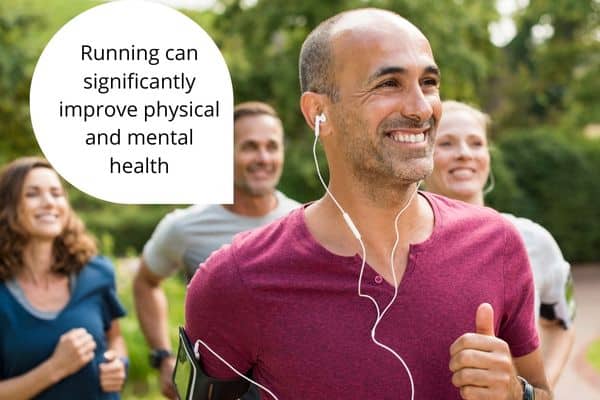
A great way to do this is to join a running group near you. Not only does running in a group provide extra accountability and motivation because your friends are counting on you coming each week, but it’s also a lot more fun.
Here are some mental benefits of running in a group.
You’ll have someone to talk with while you’re exercising.
If you’re afraid of being alone while exercising, joining a running group may be a good option for you. Running with people gives you something to talk about as well as an opportunity to make new friends.
It’s more fun when you’re exercising with others because it makes the time go faster and more enjoyable. If you think about it, working out by yourself can be quite boring sometimes — especially if there’s no one around to chat with or distract you from the pain!
You’ll get encouragement from fellow runners when needed most.
When I’m feeling down about my performance or struggling through an intense workout, I always ask myself “What would my running partner do?” She’s always been there for me when I needed her support most — whether that meant she helped me push through a tough part of my training plan or cheered me on when my motivation started to decrease.

Physical Benefits
The benefits of running in a group are endless! Running with a group is fun, and motivating and can help to improve your running performance.
Here are some of the physical benefits of running in a group:
- It’s easier to avoid injuries
- You will run faster
- You’ll burn more calories per mile
- You’ll have more motivation to stick with your training program
See my latest article here on running in cold weather.
Social Benefits
There’s something special about running in a group. When you’re out there on your own, it’s just you and the pavement (or trail, or treadmill). But when you’re running with others, there’s a sense of camaraderie and support that can push you to do things you never thought possible.
Whether you’re training for your first 5K or your 50th marathon, running with a group can help you stay motivated and on track. And if you’re new to the sport, it can be a great way to meet like-minded people and learn the ropes.
You may also be interested in this year’s best waterproof running jackets.
If you’re looking for a running group in your area, check out your local running store or search online. There are also plenty of virtual running groups that you can join, no matter where you live.
FAQs
Does running in a group make you run faster?
It is a common misconception that running in a group makes you run faster.
While it may seem like you are training at a faster speed, this is typically not true. Your pace will remain the same, no matter if it is just you or if there are other people with you.
The main benefits of running in a group are that you can keep each other motivated and make sure that everyone keeps up with the group.
Does running in a group make you happier?
Rounding up a posse for a run is a great way to make sure you’re accountable for your workout.
It’s also a fun way to make friends! If you can’t find someone to run with, it’s easy enough to use social media to find an existing group that meets your needs.
Still not convinced? Here are some other benefits of running in groups:
• You’ll have someone to high-five when you finish running, which is always nice.
• There’s nothing like the feeling when all of your friends start cheering you on as they see you approaching the finish line. Or even better? When they’re also crossing it right along with you!
• Running in groups is a great way to meet new people who have similar interests and goals as yourself. If this sounds like something that would interest you, then go ahead and start looking into how many different running groups there are near where you live!
Why should you join a running group?
Running is a great way to get in shape and stay healthy, but it can be hard to find motivation. That’s where a running group comes in!
Running groups give you the support and connection you need to stay motivated and achieve your goals.
Your fellow runners will push you to keep going when you feel like giving up (and they’ll be there celebrating with you when you reach your goal).
Plus, there’s just something about running with friends that makes it more fun.
Running groups are great for making new friends who share your interests and goals. You’re going to get out of this what YOU put into it—you can make sure that’s a lot by joining a running group today!
How to Find the Right Running Group for You
Finding the perfect running group can feel a bit like dating – you want to find people who match your pace, share your goals, and make you feel comfortable. Don’t worry, though! With a little research, you’ll find your tribe.
Start by considering your current fitness level and goals. Are you a beginner who’s just getting into running, or have you been pounding the pavement for years? Some groups cater specifically to new runners, while others are geared toward more experienced athletes training for marathons. Being honest with yourself about where you are right now will help you find a group where you’ll feel supported, not left behind.
Think about the pace and distance that works for you. Many running groups divide into different pace groups – maybe there’s a 10-minute mile group, a 12-minute mile group, and a walking/running combination group. This way, you’re never struggling to keep up or feeling held back. At our age, it’s especially important to find a group that respects different fitness levels and doesn’t pressure anyone to go faster than is comfortable.
Location and timing matter more than you might think. A group that meets at 5:30 AM across town might sound great in theory, but if you’re not a morning person or the drive is too far, you won’t stick with it. Look for groups that meet at convenient times and locations. Some groups meet at parks, others at running stores, and some start from coffee shops (which is a nice bonus for post-run socializing!).
Age demographics can make a difference in your comfort level. While runners of all ages can enjoy running together, you might feel more at home in a group with other people in their 50s, 60s, and beyond. We often share similar concerns about injury prevention, recovery time, and balancing running with other life commitments. Some running stores and fitness centers specifically organize groups for mature runners.
Don’t be afraid to try before you buy. Most running groups welcome visitors for a trial run or two before you commit. Take advantage of this! Show up, introduce yourself, and see how you feel during and after the run. Do people chat and encourage each other? Does the pace feel right? Do you feel welcomed? Trust your gut on this one.
Tips for First-Time Group Runners
Walking into your first group run can feel intimidating – I get it! You might worry about being the slowest person there or not knowing anyone. But here’s the truth: every single person in that group was a first-timer once, and most running groups go out of their way to make newcomers feel welcome.
Arrive a few minutes early. This gives you time to introduce yourself to the organizer or a few friendly faces before the run starts. Let them know it’s your first time, and don’t be shy about mentioning your typical pace or any concerns you have. Most groups will pair you with someone who runs at a similar pace or assign a buddy to help you feel comfortable.
Wear comfortable, appropriate gear. You don’t need fancy running clothes, but do wear moisture-wicking fabrics if you have them, and make sure your shoes are supportive and broken in. This isn’t the time to debut brand-new sneakers! Dress in layers if it’s chilly – you can always tie a jacket around your waist if you warm up. Consider a waterproof running jacket if rain is in the forecast. And yes, it’s perfectly fine to wear that old t-shirt from your college reunion!
Bring water and any personal items you might need. Most groups don’t provide water, so carry a small handheld bottle or wear a hydration belt if the run is longer than 30 minutes. If you have any medical conditions, carry your phone and any necessary medications. Better safe than sorry!
Understand basic group running etiquette. Here are a few unwritten rules that’ll help you fit right in: Run no more than two abreast on narrow paths or sidewalks. If you need to slow down or stop, move to the side so others can pass. Call out “on your left” when passing someone. And if you’re chatting with someone, be mindful that heavy breathing is a sign you might be pushing too hard!
Communicate your needs without apology. If the pace feels too fast, speak up! Say something like, “This is a bit quick for me – I’m going to ease back a little.” No one will judge you for knowing your limits. In fact, they’ll respect you for it. Remember, we’re at an age where listening to our bodies isn’t optional – it’s wisdom.
Plan to stay for a few minutes after the run. This is often when the real bonding happens. Many groups grab coffee or stand around chatting for a bit. These informal moments are where friendships form and you’ll learn about other running routes, upcoming races, or tips that can help your running journey.
Give it three tries before deciding. Your first run might feel awkward, and that’s completely normal. By the third run, you’ll know more names, understand the flow, and feel more comfortable. That’s when you can really decide if this group is right for you.
Safety Benefits of Group Running
As we get older, safety becomes an increasingly important consideration for our workouts. Running in a group provides a level of security that solo running simply can’t match, and this peace of mind is worth its weight in gold.
Visibility and awareness in low-light conditions are dramatically improved. If your group runs early in the morning or after work during the winter months, you’re much more visible to drivers and cyclists when you’re part of a group. Many runners wear reflective gear and carry lights, and a cluster of moving lights is far more noticeable than a single runner. In cold weather, having others around also helps monitor for signs of hypothermia or frostbite. Plus, with multiple sets of eyes watching for hazards like uneven pavement, ice patches, or unexpected obstacles, everyone benefits from increased awareness.
There’s genuine safety in numbers. Let’s be honest – running alone, especially in unfamiliar areas or during quiet times, can feel vulnerable. When you’re part of a group, you’re far less likely to encounter problems. You can explore new routes you might not feel comfortable tackling solo, and you don’t have to worry as much about aggressive dogs, unwanted attention, or finding yourself in an uncomfortable situation.
Immediate help is available if something goes wrong. This is especially important as we age. If you trip and fall, experience sudden dizziness, have chest pain, or encounter any medical issue, having people around you who can call for help, provide first aid, or simply stay with you until help arrives is invaluable. Many group runners carry phones and some even have first aid training. I’ve seen groups where someone twisted an ankle, and within minutes, the situation was handled calmly with some runners staying with the injured person while others went for help.
Better navigation and route knowledge keep you from getting lost. When you’re running in an unfamiliar area or trying a new route, it’s easy to take a wrong turn and end up miles from where you intended to be. Group runs typically follow established routes that leaders know well. If you do need to cut your run short or take a bathroom break, other runners can point you in the right direction to get back.
You’re more likely to maintain proper form and avoid risky decisions. When running alone, it’s tempting to push through pain, ignore warning signs from your body, or take shortcuts that might not be safe. In a group setting, there’s a natural check-and-balance system. Other runners notice if you’re limping or struggling, and they’ll encourage you to take it easy. This peer awareness can prevent small issues from becoming serious injuries.
Weather-related risks are reduced. If conditions suddenly worsen – whether it’s a thunderstorm, extreme heat, or unexpected ice – a group can make collective decisions about modifying the route or cutting the run short. You’re not out there alone trying to gauge whether it’s safe to continue.
How Group Running Helps You Stick to a Schedule
We all know that starting a fitness routine is one thing – sticking with it is another beast entirely. This is where group running becomes your secret weapon for consistency, especially when motivation naturally ebbs and flows.
Accountability is built right into the structure. When you know that Sarah and Tom are expecting you at the park on Tuesday morning, you’re far less likely to hit the snooze button. It’s not just about disappointing yourself anymore – you’re part of something bigger. I’ve heard countless runners say, “I never would have gotten out of bed today if it weren’t for my running group.” That gentle social pressure (in the best possible way) keeps you showing up even on days when Netflix and the couch sound infinitely more appealing. This is especially helpful during winter months or when you might otherwise resort to staying motivated on the treadmill alone.
Pre-committed time slots remove the decision-making burden. One of the biggest challenges of solo running is deciding when to run each day. Should it be morning or evening? Before lunch or after dinner? These daily decisions create friction and opportunities to skip workouts. When your group meets every Tuesday and Thursday at 6 PM, that decision is made for you. You simply show up. This reduces mental fatigue and makes consistency almost automatic.
The social aspect creates positive reinforcement. Running becomes something you look forward to, not something you dread. When you associate running with laughter, interesting conversations, and genuine friendships, your brain starts craving those experiences. You’re not just running anymore – you’re meeting friends, and the running happens to come along with it. This psychological shift is powerful and sustainable. The benefits of group fitness classes extend to running groups as well – the camaraderie and shared experience make exercise feel less like work and more like play.
Consistent scheduling leads to measurable improvement. When you show up regularly – whether it’s twice a week or four times a week – you start seeing real progress. Maybe you’re running farther without stopping, or your pace is getting faster without feeling harder. These improvements motivate you to keep the schedule because you’re seeing results. And when the whole group celebrates your progress, it reinforces the positive cycle.
You’re less likely to rationalize skipping workouts. We all do it – we tell ourselves we’ll run “later” or “tomorrow” and then days turn into weeks. When you’re committed to a group schedule, these mental gymnastics don’t work as well. Your running partners are depending on you, and you know from experience that you’ll feel better after the run than if you skip it.
The routine becomes a cherished part of your week. After a few months of consistent group running, it stops feeling like an obligation and becomes a highlight of your week. It’s your time to decompress, to connect with friends, and to do something good for your body and mind. Many runners find that morning runs give them energy for the entire day, while evening runs help them unwind from work stress. This shift from “have to” to “want to” is the hallmark of a sustainable fitness habit.
Age-Specific Benefits for Runners Over 50
Running in a group takes on special significance when you’re over 50. We face unique challenges and opportunities that younger runners might not fully appreciate, and finding your running tribe can make all the difference in staying active and healthy for years to come.
Joint health monitoring becomes a collaborative effort. At our age, paying attention to how our knees, hips, and ankles feel isn’t just smart – it’s essential. When you’re running with peers who understand this, conversations naturally turn to what’s working and what isn’t. Someone might mention that switching to softer running surfaces helped their knee pain, or another runner might share the stretching routine that’s kept them injury-free. This shared wisdom is invaluable and can help you avoid problems before they start.
Injury prevention knowledge flows freely. Many runners over 50 have years of experience and have learned the hard way what works and what doesn’t. In a group setting, this knowledge gets shared organically. You’ll learn about the importance of proper warm-ups (which becomes non-negotiable as we age), recovery strategies, when to push through minor discomfort versus when to rest, and how to modify workouts during different phases of training. You might also discover recommendations for the best running shoes for weak ankles or other joint concerns. This collective experience is like having multiple coaches looking out for you.
Recovery time is understood and respected. Younger runners can often run hard several days in a row and bounce back quickly. We need more recovery time, and that’s perfectly normal. In a group of mature runners, nobody questions why you’re taking an extra rest day or choosing the easier route this week. There’s mutual understanding that listening to your body is a sign of wisdom, not weakness. This acceptance removes the pressure to keep up with unrealistic standards.
Social connection combats the isolation that sometimes comes with age. Let’s be real – as we get older, our social circles can shrink. Kids move away, work colleagues retire, and it becomes easier to stay home. A running group gives you a built-in social network of active, health-conscious people who share your values. These friendships often extend beyond running – you might find yourself grabbing lunch together, attending local races as a group, or supporting each other through life’s ups and downs.
Adapting workouts as a group creates flexibility without isolation. Some weeks you might feel great and ready for a longer run. Other weeks, arthritis might be flaring up or you’re recovering from a cold. In a supportive group, there’s often flexibility built in – maybe there are different distance options, or people readily adjust the pace to accommodate how everyone’s feeling that day. You’re never left behind or forced to struggle alone. Many groups also incorporate low-impact exercises on recovery days, providing variety while protecting your joints.
Motivation to maintain bone density and muscle mass. We know that weight-bearing exercise like running helps maintain bone density and muscle mass, both of which naturally decline with age. But knowing something intellectually and actually getting out there consistently are two different things. Your running group keeps you moving regularly, which means you’re actively working against age-related decline. Combining running with exercises for over 60 on non-running days creates a comprehensive fitness routine. Plus, seeing other active adults in their 50s, 60s, and 70s running strong is living proof that age is just a number.
Mental sharpness gets a boost from both exercise and socialization. Research shows that both cardiovascular exercise and social engagement help maintain cognitive function as we age. Group running gives you both in one activity! The conversations, the planning of routes, the awareness of your surroundings while running – all of this keeps your mind engaged while your body moves.
Shared experiences with life transitions. Many people over 50 are navigating significant life changes – retirement, becoming grandparents, dealing with aging parents, or redefining identity after decades in a career. Your running partners are often going through similar transitions, and these runs become opportunities to talk through challenges, celebrate milestones, and support each other through change. There’s something therapeutic about working through life’s complexities while moving your body alongside people who truly get it.
Virtual Running Groups as an Alternative
Not everyone has access to a local running group, and that’s where virtual running communities come in. Thanks to technology, you can enjoy many benefits of group running even when you’re physically running alone.
Apps and platforms make virtual groups accessible. Popular apps like Strava, Nike Run Club, and Runkeeper allow you to join challenges, compare times with friends, and share your runs with a community. Some platforms have specific groups for mature runners or people training for particular events. You can post your runs, cheer others on, and even engage in friendly competition without ever meeting in person. Facebook groups dedicated to running are also thriving, with thousands of members sharing tips, encouragement, and achievements daily.
Perfect for those in rural areas or with limited local options. If you live in a small town or rural area where organized running groups don’t exist, virtual communities open up a whole new world. You’re no longer limited by geography – you can connect with runners across the country or even around the world. This is especially valuable if you’re looking for others in your age group or at your specific fitness level, which might be hard to find locally.
Flexibility of timing works with busy schedules. Virtual groups don’t require you to be somewhere at a specific time. You can run at 5 AM or 8 PM – whatever works for your schedule – and still feel connected to your group. This flexibility is perfect if you have caregiving responsibilities, work odd hours, or simply prefer to run at times when traditional groups don’t meet. You can still log your run, share how it went, and receive encouragement from group members.
Safety of running with technology tracking. Many apps have safety features that allow you to share your location with trusted contacts while you run. Some virtual groups have check-in systems where members are expected to post after their runs, creating a form of accountability and safety monitoring. While it’s not the same as having someone physically present, it’s better than having no one aware of where you are.
How they compare to in-person groups. Virtual groups offer convenience, flexibility, and connection, but they do have limitations. You miss out on the immediate social interaction, the natural pacing adjustment that happens when running alongside others, and the instant encouragement when you’re struggling. There’s also no one there to physically help if you get injured. However, many runners find that a hybrid approach works well – joining a virtual community for daily motivation while occasionally meeting up with local runners when possible.
Cost-effective and low-pressure entry point. Most virtual running groups are free to join, and there’s no pressure to perform or keep up with anyone in real-time. This can be less intimidating for beginners or people who feel self-conscious about their pace or fitness level. You can ease into the community, share as much or as little as you want, and build confidence before potentially joining an in-person group later.
Global perspective and inspiration. One unexpected benefit of virtual groups is seeing how runners around the world stay motivated. Someone in Australia might share their sunrise beach run, while someone in Colorado posts about trail running in the mountains. This global community can inspire you to try new things and reminds you that runners everywhere face similar challenges and celebrate similar victories, regardless of age or location.
Real Success Stories from Runners Over 50
Sometimes the best motivation comes from hearing about real people who’ve transformed their lives through group running. Here are stories that might resonate with your own journey.
Margaret’s Story: From Couch to 5K at 58
Margaret had never been a runner. At 58, she was overweight, pre-diabetic, and feeling increasingly isolated after her divorce. A colleague invited her to try a beginner running group that met at a local park. “I almost didn’t go,” Margaret admits. “I thought I’d be the oldest, slowest person there and everyone would judge me.”
She was wrong. The group included people of all ages and abilities, with several women in their 60s. The first week, she could barely run for 30 seconds without stopping. But her new running friends celebrated those 30 seconds like she’d won a marathon. Six months later, Margaret completed her first 5K. A year after that, she’d lost 35 pounds using healthy weight loss strategies for over 60, her blood sugar was normal, and she’d made friendships that sustained her through tough times.
“The running group gave me back my confidence,” she says. “I’m stronger at 60 than I was at 50, and I have friends who truly care about me. Running saved my life, but it was the group that made me stick with it.”
David’s Journey: Recovering from a Heart Attack at 62
After a minor heart attack at 62, David’s cardiologist prescribed cardiac rehabilitation followed by regular exercise. David was terrified of exercising alone, worried that something might happen with no one around to help. His rehab program connected him with a running group specifically for cardiac patients and older adults.
“Having other people there – especially people who’d been through similar health scares – made all the difference,” David explains. The group ran at a conservative pace, with several members wearing heart rate monitors. They understood his fears because they’d shared them.
Three years later, David has completed several half-marathons and his heart health has improved dramatically. “My cardiologist calls me his poster child for cardiac recovery. But I tell him it’s all because of my running group. They kept me going when I wanted to quit, and they celebrate every milestone with me.”
Patricia and Linda: Best Friends at 67 and 69
Patricia joined a running group at 67, hoping to stay active in retirement. Linda, 69, had been with the group for a year. They were paired together for a long run and discovered they lived in the same neighborhood. That was four years ago, and now they’re inseparable.
“We run together three times a week, and we’ve started traveling to races together,” Patricia says. “Last year, we did a destination half-marathon in Savannah. Neither of us would have done that alone.”
Linda adds: “At our age, making new close friends isn’t easy. But when you’re running side by side for hours every week, you talk about everything – your fears, your dreams, your health concerns, your grandkids. Patricia knows things about me that my own sister doesn’t know. The running brought us together, but the friendship keeps us both going.”
Robert’s Transformation: Fighting Depression at 55
After losing his job at 55, Robert fell into a deep depression. He stopped exercising, gained weight, and barely left the house. His wife finally convinced him to try a running group she’d found online.
“The first few weeks were brutal,” Robert remembers. “Physically, I was out of shape. Mentally, I didn’t want to be there. But the people in that group wouldn’t let me quit. They texted me before runs to make sure I was coming. They slowed down when I needed to slow down. They listened when I needed to talk.” Some members recommended shoes for knee pain when he mentioned discomfort, showing how the group shared practical advice alongside emotional support.
Running became Robert’s therapy. The endorphins helped lift his depression, and the structure of regular runs gave his days purpose. The friendships provided connection during a lonely time. The group also shared tips on post-workout recovery snacks and proper nutrition. Two years later, Robert has a new job, has lost 40 pounds, and considers his running group “the family that saved me when I was drowning.”
Susan’s Achievement: First Marathon at 61
Susan had run casually for years but never imagined running a marathon. When she joined a training group preparing for the Chicago Marathon, she was the oldest woman in the group by a decade. “I told them I’d just do the half-marathon,” she laughs. “But they convinced me I could do the full.”
The group trained together for six months, doing long runs on weekends and swapping tips about nutrition, hydration, injury prevention, and even how to avoid runner’s face. When Susan struggled at mile 20 of the marathon, two of her training partners slowed down to run the final miles with her, encouraging her every step.
“Crossing that finish line at 61 was one of the proudest moments of my life,” Susan says. “But what meant even more was seeing my running group at the finish line, cheering like crazy. They’d already finished their races but stayed to see me finish mine. That’s what group running is really about – people who have your back.”
These stories share a common thread: the running itself improved health and fitness, but it was the group dynamic that made the transformation possible and sustainable. Whether you’re recovering from health issues, navigating life transitions, or simply looking for connection and motivation, group running offers something special that solo running cannot replicate.
Conclusion
The benefits of running in a group extend far beyond the physical improvements you’ll see in your stamina and strength. When you join a running community, you’re investing in your mental health, your safety, your social connections, and your long-term commitment to an active lifestyle.
Whether you choose an in-person group that meets every Tuesday morning or a virtual community that supports you from afar, you’re making a decision that can transform not just your fitness, but your entire approach to health and wellness in your 50s, 60s, and beyond. If you’re just starting out, check out these reasons to start a fitness program today for additional motivation.
Remember, every experienced runner was once a beginner who showed up nervous and unsure. Your running group is waiting for you – all you have to do is take that first step and show up. You’ve got this!

Claudia Faucher is a fitness and lifestyle blogger who shares practical tips for women over 50 on staying active, stylish, and confident. As the creator of FitFab50.com and Beyond59.com, she covers topics like workout gear, beauty trends, and wellness routines. Claudia is passionate about helping others live their best life at any age.