
Learning how to prevent nipple chafing when running is something every serious runner needs to do sooner or later. Whether you are logging your first long run or training for a marathon, the painful skin irritation known as jogger’s nipple can turn a great workout into a miserable experience. The good news is that nipple chafing is almost entirely preventable with the right gear, the right products, and a little preparation before you head out the door.
Quick Links
What Is Jogger’s Nipple? (And Why It Hurts So Much)
Jogger’s nipple, also called runner’s nipple or nipple chafing, is a form of skin irritation caused by the repetitive rubbing of fabric against the nipple and areola during a run. With every stride you take, your shirt or sports bra shifts slightly across your chest. Over thousands and thousands of steps, that constant friction weakens the skin’s protective barrier and causes a painful abrasion.
The areola skin is naturally thin and sensitive, which is why even a small amount of repeated friction can result in redness, rawness, and in severe cases, cracking and bleeding. Runners who have experienced it describe the sensation as starting with a mild burning or stinging that escalates quickly. You may not even notice how bad it has gotten until you step into the shower after a long run and feel a sharp, burning pain.
In more extreme cases, runners nipple bleed is a real and visible problem. Bleeding through a shirt at the finish line of a marathon is far more common than most people realize, and it is a sign that the skin abrasion has reached a level that puts you at risk of infection if left untreated.
Studies show that about 35.7 percent of runners logging 40 miles per week or more experience jogger’s nipple, compared to only 3.6 percent of those running under 15 miles a week. The condition affects both men and women, though men are more vulnerable because they typically do not have the added protective layer of a sports bra between the shirt fabric and their skin.
Why Do Nipples Chafe When Running? The Root Causes
Understanding what causes nipple chafing from running helps you choose the right preventive strategies. There are three main culprits.

Friction From Fabric
The primary cause of runners nipple is friction. Cotton shirts are a common offender because cotton absorbs sweat, becomes heavy, and clings to the chest. That wet, heavy fabric dragging across your nipples with every stride creates the perfect conditions for a nipple fissure to develop. Even seams, logos, or rubberized graphics on a shirt can cause localized rubbing that leads to chafing.
Sweat, Salt, and Moisture
Sweat makes everything worse. As you run, sweat mixes with salt and other minerals. When the water evaporates, salt crystals are left behind on the skin. Those salt deposits combined with fabric rubbing against wet skin significantly increase the risk of skin abrasion. This is why nipple chafing tends to be more severe on hot, humid days or during longer runs when you sweat more.
Cold Weather and Nipple Protrusion
Cooler temperatures cause nipples to become more erect and protrude further from the chest. This increased protrusion means there is more contact surface for fabric to catch on, making cold weather running a particularly high-risk time for developing jogger’s nipple.
How to Prevent Nipple Chafing When Running: 7 Proven Methods
1. Apply a Lubricant Before Every Run
Applying a lubricant to your nipples before you run is one of the most effective ways to stop nipple chafing before it starts. Lubricants create a protective barrier that allows fabric to glide across the skin rather than gripping and grinding against it.
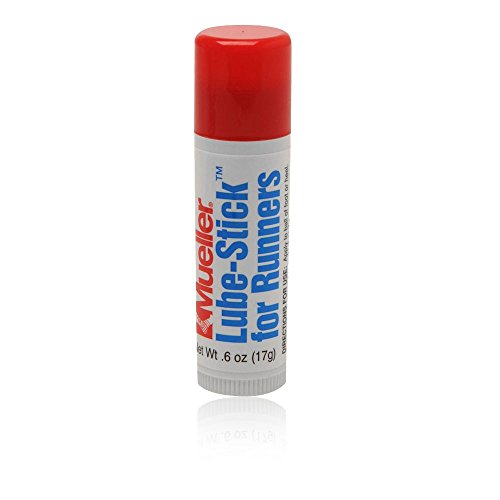
- BodyGlide Anti-Chafe Balm: A runner favorite, BodyGlide goes on dry and does not wash away easily with sweat, making it ideal for longer runs.
- Vaseline (Petroleum Jelly): An affordable and widely available option. Vaseline works well but may wash away more easily on very sweaty runs. Keep a small jar in your gym bag for quick application.
- Squirrel’s Nut Butter: A natural anti-chafe salve that is popular among trail runners and ultra-marathoners.
- Baby Powder or Talcum Powder: A dry alternative to balms. Talcum powder absorbs moisture and reduces friction. Best used in addition to a lubricant for maximum protection on long runs.
2. Switch to Moisture-Wicking Running Shirts
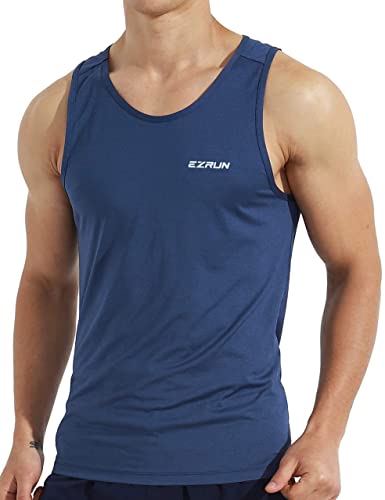
Your choice of clothing is the single biggest factor in preventing nipple chafing. Ditch the cotton and make the switch to technical, moisture-wicking fabrics. For hot weather runs in particular, a well-chosen compression shirt for hot weather does double duty by wicking sweat and reducing fabric movement across your chest.
- Polyester and nylon blends: These synthetic fabrics wick sweat away from the skin and dry quickly, dramatically reducing the wet-fabric friction that causes nipple chafing.
- Fitted vs. loose fit: A shirt that fits close to the body moves less as you run, which means less friction against your nipples. However, avoid shirts that are so tight they bunch or roll, which creates its own friction problem.
- Avoid rubberized logos and seams: Raised logos on the chest area or rough internal seams can act like sandpaper on your skin over the course of a long run. Look for flatlock seams and smooth chest panels.
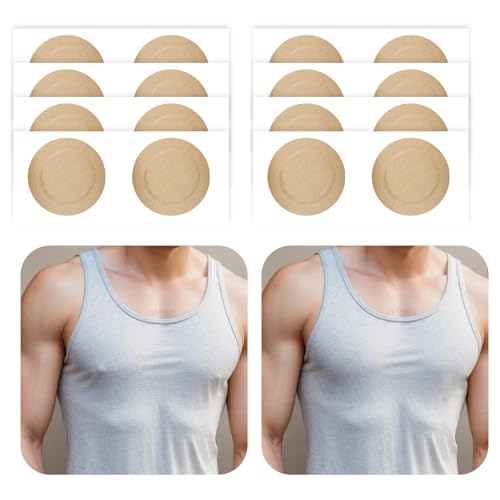
3. Use Nipple Tape or Nipple Guards
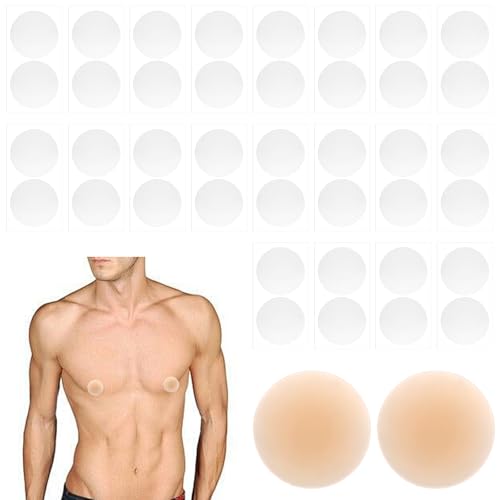
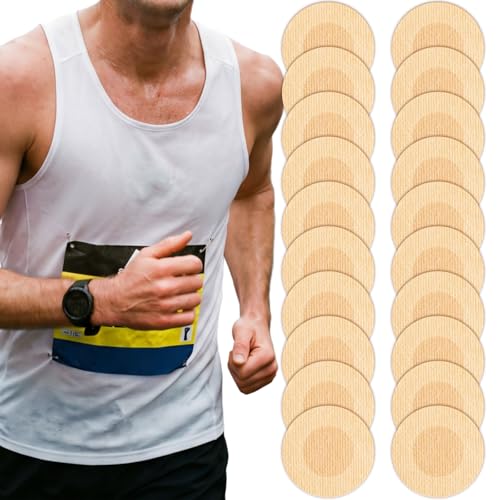
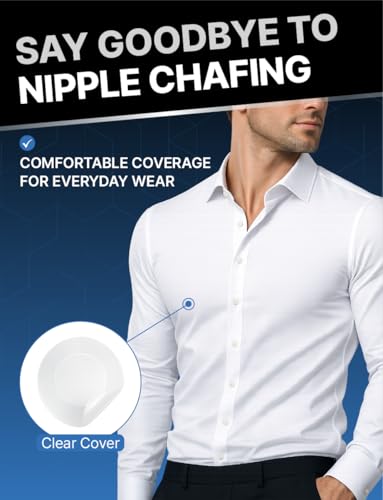
Nipple tape and nipple guards create a physical barrier between your skin and your shirt, and many experienced runners swear by them for long runs and race day.
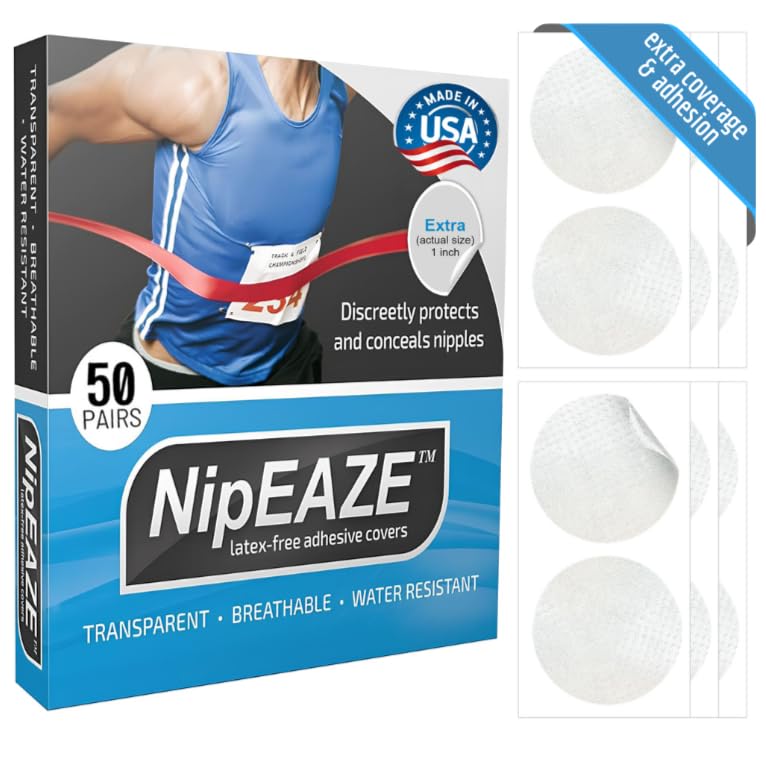
- NipEaze Transparent Adhesive Covers: A popular purpose-built product for runners. NipEaze comes pre-cut to size and is designed to be easy to remove after a run without causing additional pain.
- Nip Guards: Another dedicated runner product that offers a padded protective cover specifically shaped for the nipple.
- Standard bandages (Band-Aids): A budget option that works in a pinch, but bandages have a tendency to shift during a run, especially once they get wet with sweat. They are a short-term fix at best.
- Kinesio tape: Strips of kinesiology tape can work well because they are flexible, stay in place, and are breathable. Cut into small pieces and apply before you dress.
Pro tip: If you already have chafed or sensitive nipples, tape removal can be painful. Apply petroleum jelly around the edges before peeling to reduce discomfort.
4. Women: Wear a Properly Fitted Sports Bra
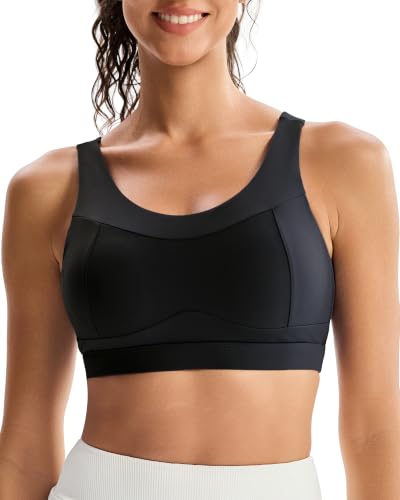
For women, a well-fitted sports bra is one of the best running nipple chafing solutions available. A properly fitted sports bra reduces breast movement by up to 83 percent, which dramatically lowers friction against the nipple and areola. Beyond chafing prevention, there are several other benefits of wearing a sports bra that make it essential gear for any female runner.
When shopping for a running sports bra, look for moisture-wicking fabrics like CoolMax or Polygiene-treated materials, seamless or flatlock construction in the chest panel, and a snug but not compressive fit that holds breast tissue stable without squishing.
Even runners with smaller cup sizes benefit from a fitted sports bra, since any breast tissue movement during a run can create friction. If you are unsure of your size, a professional bra fitting makes a significant difference in both comfort and chafing prevention.
5. How to Prevent Male Nipple Chafing When Running
Preventing nipple chafing when running is a particular concern for men, since they do not have a sports bra as a built-in layer of protection. The strategies that work best for male runners include:
- Layering with a compression shirt: Wearing a tight compression undershirt beneath a looser running shirt adds a smooth base layer that reduces direct fabric-to-nipple contact. See our full guide on athletic compression shirts to find the right fit for running.
- Lubricant plus tape combination: For long runs or races, applying petroleum jelly and then placing a bandage or nipple cover on top provides double protection. Pairing this approach with the best compression underwear for running eliminates chafing from multiple friction points at once.
- Running shirtless (where appropriate): On hot training days, running without a shirt completely eliminates fabric friction. Apply sunscreen as needed.
6. Adjust Your Pre-Run Hygiene Routine
Small adjustments to your routine before a run can make a meaningful difference in preventing jogger’s nipple.
- Start with clean, dry clothing: Never run in already-damp or previously-worn shirts. Damp fabric increases friction and may carry bacteria that aggravate irritated skin.
- Dry skin before applying lubricant: Make sure your skin is completely dry before applying any anti-chafe product. Lubricants adhere better and last longer on dry skin.
- Do not throw water on your shirt mid-run: Pouring water over yourself to cool down soaks your shirt and makes it heavier, which increases the drag and friction on your nipples.
7. Carry Backup Protection on Long Runs
If you are heading out for a run of more than an hour, pack a small emergency kit in your running belt or vest. A few bandages, a small tube of petroleum jelly, or a mini BodyGlide stick can save you from a painful second half of a long run if your initial protection starts to wear off.
Best Products to Prevent Nipple Chafing While Running
These are some of the most effective nipple chafing prevention products that get consistently strong reviews from the running community.
| Product | Type | Best For |
|---|---|---|
| BodyGlide Anti-Chafe Balm | Lubricant balm | All runs, men and women |
| NipEaze Transparent Covers | Adhesive cover | Race day, long runs |
| Nip Guards | Padded guard | High-mileage runners |
| Vaseline Petroleum Jelly | Lubricant | Budget option, shorter runs |
| Squirrel’s Nut Butter | Natural anti-chafe salve | Clean ingredient runners |
How to Treat Jogger’s Nipple If It Has Already Happened
Even with precautions, runners nipple can still occur. Here is how to treat it and heal quickly.
- Step 1 – Clean the area: Gently wash the chafed nipple with mild soap and warm water. Avoid harsh cleansers or hot water, which can further irritate already-damaged skin.
- Step 2 – Pat dry: Do not rub the area. Gently pat it completely dry.
- Step 3 – Apply ointment: Use petroleum jelly or an antibiotic ointment if the skin has cracked or broken. Hydrocortisone cream can help reduce inflammation and soreness.
- Step 4 – Protect and cover: Cover the area with gauze or a soft bandage to protect it from clothing friction while it heals.
- Step 5 – Rest: Mild cases of jogger’s nipple resolve within 5 to 7 days. Take time off from running or use aggressive prevention methods if you must continue. Avoid tight shirts and excess sweat.
- Step 6 – Watch for infection: Open wounds on the nipple can become infected. Signs of infection include swelling, warmth, pus, and worsening pain rather than improvement. See a healthcare provider if symptoms worsen.
FAQ: Nipple Chafing From Running
Why do nipples chafe when running?
Nipples chafe during running due to the repetitive rubbing of fabric against the sensitive nipple and areola skin over thousands of strides. Sweat, salt deposits, wet fabric, cold temperatures, and the wrong clothing all make the problem worse.
How to prevent nipple chafing when running for men?
Men are especially vulnerable to jogger’s nipple because they lack the protective layer of a sports bra. The most effective strategies for men include applying a lubricant like BodyGlide or Vaseline before every run, using nipple tape or NipEaze covers on long runs, wearing a moisture-wicking polyester shirt that fits close to the body, and running shirtless on appropriate training days.
How to prevent nipple chafing when running for women?
For women, wearing a well-fitted, moisture-wicking sports bra is the single most important step. Look for seamless construction, CoolMax or similar breathable fabric, and a snug fit that minimizes breast movement. Adding a lubricant or nipple covers provides additional protection on longer runs or in hot, sweaty conditions.
Do nipple guards work for running?
Yes. Purpose-built nipple guards like NipEaze and Nip Guards are highly effective at preventing nipple chafing. They create a physical barrier between the skin and fabric that lasts the length of even a marathon. They are generally easier to remove cleanly after a run compared to standard bandages, which can shift and stick.
What running shirts help prevent nipple chafing?
The best running shirts to prevent nipple chafing are made from polyester or nylon blends with flatlock seams and smooth chest panels. Look for shirts labeled as moisture-wicking or quick-dry. Avoid cotton shirts entirely, and be cautious of shirts with raised rubberized chest logos that can create localized friction.
How long does it take for jogger’s nipple to heal?
Most mild cases of jogger’s nipple heal within 5 to 7 days with proper cleaning, ointment application, and protection from further friction. More severe cases involving cracked or bleeding skin may take 2 to 3 weeks to fully heal. See a doctor if there are signs of infection or if healing does not improve within a week.
The Bottom Line
Nipple chafing from running is painful, common, and almost entirely preventable. By switching to moisture-wicking shirts, applying an anti-chafe lubricant before every run, and using nipple tape or purpose-built nipple guards on your longer efforts, you can eliminate jogger’s nipple from your running experience for good. If you also struggle with inner thigh chafing during runs, our roundup of the best anti-chafing athletic underwear covers the top solutions for that problem as well.
The key is to treat prevention as part of your standard pre-run routine, just like tying your shoes or checking your GPS watch. A little preparation goes a long way when it comes to keeping your miles comfortable from start to finish.
About the author

Rick Huey is a fitness writer who has dedicated his life to living an active lifestyle. With more than 30 years of experience in the fitness industry, Rick is a respected contributor for FitFab50.com, where he shares his wealth of knowledge with a wide audience. His dedication to promoting the benefits of living an active lifestyle has inspired many people to pursue their own fitness journeys with enthusiasm and dedication.
Last update on 2026-10-19 / Affiliate links / Images from Amazon Product Advertising API