
I’ll be honest with you. For years I bought whatever soap said “antibacterial” on the front, because it felt like the responsible grown-up choice. Then my skin started to change in my late fifties, and suddenly the soap I trusted left my shins itchy and my hands cracked by February.

So I did what I always do: I dug into the research, read the labels, and talked with friends who care for aging parents. What I found surprised me, and I think it will help you choose the right antibacterial soap for seniors (or decide you don’t need one at all).
Key Facts at a Glance
- In 2016, the FDA banned 19 antibacterial ingredients, including triclosan and triclocarban, from consumer hand and body washes because makers could not prove they were safe for daily long-term use or better than plain soap.
- Most antibacterial soaps sold in the US today use benzalkonium chloride, one of three ingredients the FDA deferred ruling on.
- The CDC says studies have not found an added health benefit from antibacterial soap for everyday people outside healthcare settings.
- Dry skin (xerosis) affects up to 75% of older adults, so a gentle formula matters more than germ-killing power for most of us.
- Chlorhexidine (Hibiclens) is the medical-grade option, best used when a doctor recommends it, such as before surgery.
The Best Antibacterial Soap for Seniors: My 5 Picks
1. Dove Care & Protect Antibacterial Body Wash (Best Overall for Dry Skin)
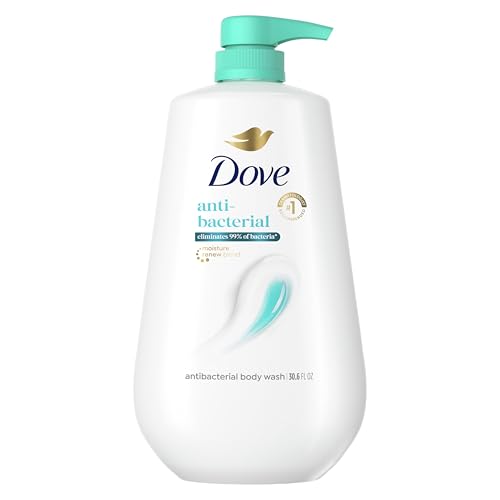
If you want a gentle antibacterial soap for dry skin over 60, this is where I’d start. It uses 0.13% benzalkonium chloride in a sulfate-free, paraben-free gel with glycerin and sunflower seed oil, and Dove says it eliminates 99% of bacteria in a 20-second wash test against E. coli.
What I love is how it feels afterward. My skin doesn’t get that tight, squeaky feeling, and the 30-ounce pump version is easy to use with stiff hands.
Good to know: It has a citrus fragrance, so skip it if scents make you itch.
Best for: Daily showers, caregivers bathing a loved one, anyone worried about dryness.
Pros
- Moisturizing gel base with glycerin and sunflower seed oil
- Sulfate free and paraben free
- Comes in an easy-press pump size
Cons
- Citrus fragrance may bother reactive skin
- Not as strong as a medical-grade antiseptic
2. Hibiclens 4% CHG Antiseptic Skin Cleanser (Best Medical-Grade Option)
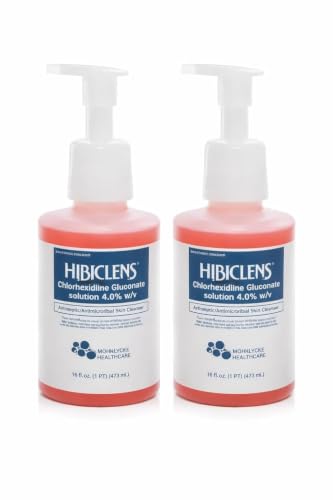
Hibiclens is the one hospitals hand you before surgery, and it is the most powerful product on this list. Its 4% chlorhexidine gluconate starts killing germs on contact and keeps working after rinsing.
If your surgeon recommends a chlorhexidine wash for seniors before surgery, follow their exact instructions. Most hospital protocols say to shower, turn off the water, apply it from the neck down, then rinse well.
Good to know: Never use it on your face, ears, eyes, mouth, or genitals, and don’t apply lotion right after unless your care team says it’s okay. It is FSA/HSA eligible.
Best for: Pre- and post-surgery, recurring skin infections, wound cleansing as directed.
Pros
- Medical-grade 4% CHG with lasting protection after rinsing
- Unscented, with a foaming pump
- FSA/HSA eligible
Cons
- Off-limits for the face, ears, eyes, mouth, and genitals
- Costs more per ounce than drugstore soaps
3. Dial Gold Antibacterial Deodorant Bar Soap (Best Antibacterial Bar)

For the best antibacterial bar soap for older adults, Dial Gold is the classic for a reason. It uses 0.10% benzalkonium chloride and is formulated without SLS/SLES, parabens, and phthalates, with glycerin in the base.
It is also my top pick for antibacterial soap for elderly body odor, since it targets odor-causing bacteria and gives that all-day fresh feeling so many longtime Dial fans swear by.
Good to know: Bars get slippery. If balance is a concern, keep it in a draining dish within easy reach, or choose a pump body wash instead.
Best for: Underarms, feet, and body odor control on a budget.
Pros
- Budget-friendly multipacks
- Formulated without SLS/SLES, parabens, and phthalates
- Strong, long-lasting odor control
Cons
- Classic Dial Gold fragrance is noticeable
- Wet bars can be slippery for unsteady hands
4. Softsoap Antibacterial Liquid Hand Soap (Best for Caregivers and Kitchens)

When it comes to antibacterial hand soap for caregivers, a pump by every sink makes good habits easy. Softsoap Antibacterial uses 0.13% benzalkonium chloride, is enriched with moisturizers, and is pH balanced and dermatologist tested.
The six-pack is a smart buy if you’re setting up a parent’s home or a guest bath. Just remember to wash for a full 20 seconds, front and back and between the fingers.
Good to know: Frequent handwashing dries anyone’s hands, so pair it with a hand cream at the sink. For reactive hands, see my guide to the best antibacterial hand soap for sensitive skin.
Best for: Kitchen, bathroom, and caregiver handwashing.
Pros
- Pump is easy for stiff or arthritic hands
- Enriched with moisturizers and pH balanced
- Large refill bottles keep cost down
Cons
- Scented formula
- Pump should only be refilled with Softsoap Antibacterial
5. CeraVe Hydrating Cleanser Bar (Best Non-Antibacterial Alternative)

I’m including this one on purpose. If you don’t have a specific reason to use an antibacterial product, a fragrance-free, soap-free cleanser may be the best soap for thin aging skin.
It contains three essential ceramides, hyaluronic acid, and 5% CeraVe Moisturizing Cream, and it carries the National Eczema Association Seal of Acceptance. Since plain washing removes germs effectively, you’re not giving up protection for everyday life.
Good to know: It won’t lather like a traditional soap, and that is a feature, not a flaw.
Best for: Itchy, flaky, or eczema-prone skin and daily washing when antibacterial isn’t needed.
Pros
- Fragrance free with three essential ceramides
- National Eczema Association Seal of Acceptance
- Gentle enough for face, hands, and body
Cons
- No antibacterial active ingredient
- Low lather may feel unfamiliar at first
Quick Comparison
| Product | Active Ingredient | Format | Fragrance | Best For |
|---|---|---|---|---|
| Dove Care & Protect | Benzalkonium chloride 0.13% | Gel body wash | Citrus | Dry skin, daily use |
| Hibiclens | Chlorhexidine gluconate 4% | Foaming liquid | Unscented | Surgery prep, infections |
| Dial Gold Bar | Benzalkonium chloride 0.10% | Bar | Classic scent | Body odor, budget |
| Softsoap Antibacterial | Benzalkonium chloride 0.13% | Liquid hand soap | Crisp Clean | Caregivers, kitchens |
| CeraVe Hydrating Bar | None (non-antibacterial) | Bar | Fragrance free | Thin, itchy skin |
Why Seniors Think About Antibacterial Soap in the First Place
Our skin really does change as we age. The outer layers get thinner, our bodies make fewer natural oils, and immune response slows down, which means small cracks and scratches can let germs in more easily.
That is why so many of us (and the people caring for us) reach for antibacterial products. The worry is real, especially if you’re managing diabetes and dry skin, a healing wound, an upcoming surgery, or a loved one in a care setting.
Here are the situations where I think antibacterial body wash for elderly skin can genuinely earn its spot in the shower:
- Before and after surgery, when your surgeon gives you a chlorhexidine wash protocol
- Caring for someone with incontinence, a catheter, or frequent skin folds that trap moisture (comfortable washable incontinence underwear helps protect skin here too)
- Recurring skin infections like boils or folliculitis, under a doctor’s guidance
- Persistent body odor that regular soap is not handling
- Kitchen and caregiver handwashing, where you want extra peace of mind
If none of those apply to you, keep reading before you buy. The answer to “do I need it?” may be simpler than the marketing suggests.

Is Antibacterial Soap Safe for Seniors?
This is the question I get most often, and the short answer is: the ones on shelves today are generally safe, but they are not always necessary. Is antibacterial soap safe for seniors depends far more on how your skin tolerates it than on the germ-killing ingredient itself.
The big safety shake-up happened in September 2016. The FDA ruled that 19 common antibacterial ingredients, with triclosan and triclocarban at the top of the list, could no longer be sold in consumer washes. The agency cited concerns about bacterial resistance and possible hormonal effects, plus a lack of proof that they worked better than regular soap.
Three ingredients were set aside for more study: benzalkonium chloride, benzethonium chloride, and chloroxylenol. That is why nearly every antibacterial soap you’ll pick up today lists benzalkonium chloride as its active ingredient.
The bigger risk for us is dryness. Older skin is already short on protective lipids, and harsh or highly fragranced cleansers can make itching and cracking worse. Cracked skin is actually easier for bacteria to get into, which is the opposite of what we want.
Antibacterial Soap vs Regular Soap for Seniors
Let’s talk about antibacterial soap vs regular soap for seniors, because this is where I changed my own habits. The CDC’s guidance for everyday handwashing is plain soap and water, and it notes that studies have not found any added health benefit from antibacterial soap outside of healthcare settings.
Why does plain soap work so well? According to the CDC’s handwashing science, lathering and scrubbing create friction that lifts dirt, grease, and germs off your skin, and the rinse carries them down the drain. The friction and the 20 seconds of washing do most of the heavy lifting.
That said, I don’t think antibacterial soap is useless for older adults. It can make sense in the specific situations I listed earlier, as long as you pick a formula that is kind to aging skin and follow it with a good moisturizer.
Who should skip antibacterial soap? If you’re healthy, have no open wounds, and aren’t caring for someone at higher risk, a gentle cleanser is enough. Skip it too if you have eczema, very dry or itchy skin, or a known sensitivity to benzalkonium chloride or chlorhexidine.

Are All Antibacterial Soaps the Same?
Not even close. When I lined up the labels, I found three very different categories hiding under the same “antibacterial” promise.
1. Everyday Benzalkonium Chloride Soaps
These are the drugstore staples: Dial, Dove Care & Protect, and Softsoap Antibacterial. They use benzalkonium chloride at about 0.10% to 0.13%. They are fine for daily use, but the base formula (bar vs moisturizing gel, fragrance vs none) makes the real difference for aging skin.
2. Medical-Grade Chlorhexidine (CHG)
Hibiclens uses 4% chlorhexidine gluconate, which binds to skin and keeps working after you rinse. A chlorhexidine wash for seniors before surgery is something many hospitals now prescribe. It is powerful, and it has rules: never on the face, ears, eyes, mouth, or genital area.
3. “Washes Away Bacteria” Cosmetic Soaps
Some bars say they “wash away 99% of bacteria” but have no active drug ingredient at all. The FDA’s consumer guidance points to the “Drug Facts” box on the back label as the sign a product contains antibacterial ingredients. If there isn’t one, it is a regular soap with good marketing, which is not a bad thing, just a different thing.
What to Look for on the Label
- Drug Facts panel listing benzalkonium chloride or chlorhexidine gluconate
- Moisturizing base like glycerin, ceramides, or sunflower seed oil
- Fragrance free or lightly scented if your skin is itchy or reactive
- Sulfate free for less stripping of natural oils
- pH balanced, since healthy skin sits on the slightly acidic side, around pH 5
- Pump or easy-grip packaging if arthritis makes slippery bars a fall risk
How I Chose These Products (Methodology)
I focused on products that are widely available, clearly labeled, and suited to the realities of skin after 60. Every pick above was evaluated on five things:
- Active ingredient verified from the product’s Drug Facts label at major retailers
- Gentleness for dry, thin, or sensitive skin (moisturizers, fragrance, sulfates)
- Ease of use for hands with arthritis or limited grip
- Value for a product you’ll use every day
- Fit for a real senior use case, from daily showers to pre-surgery prep
I did not include anything with triclosan or triclocarban. I also added one non-antibacterial pick, because for many readers it is honestly the better choice.
My Tips for Using Antibacterial Soap After 60
- Use it where it counts. Underarms, groin folds, and feet benefit most. Your arms and legs usually do fine with a gentle, regular cleanser.
- Go lukewarm. Hot water strips oils fast. A handheld shower head for seniors makes it easier to rinse thoroughly without standing under a hot stream.
- Don’t over-wash. Daily full-body scrubbing isn’t always necessary. Here’s my take on how often adults should shower.
- Pat, don’t rub. Pat skin dry with a soft towel, paying attention to the spaces between toes.
- Moisturize within three minutes. Seal in water while skin is still damp with a dermatologist-recommended body lotion for dry skin or a ceramide moisturizer.
- Watch your feet. If you have diabetes, check daily for cracks, and treat rough spots early with a medicated cream for cracked heels.
If your skin is already very dry, start with my roundup of the best moisturizer for severely dry skin. Readers managing diabetes will also find my picks for moisturizers for diabetic dry skin helpful, and if crepiness is your concern, see body lotion for aging crepey skin.
Frequently Asked Questions
Do seniors need antibacterial soap every day?
Most don’t. The CDC recommends plain soap and water for everyday handwashing, and a gentle cleanser is usually best for aging skin. Save antibacterial products for specific needs like surgery prep, recurring infections, odor, or caregiving.
Is antibacterial soap safe for seniors with sensitive skin?
Generally yes, if you choose a moisturizing, low-fragrance formula. Benzalkonium chloride soap for sensitive skin works best in a gel or cream base, and you should stop using any product that causes redness or irritation.
Was antibacterial soap banned?
Not entirely. In 2016 the FDA banned 19 ingredients, including triclosan and triclocarban, from consumer washes. Products using benzalkonium chloride, benzethonium chloride, or chloroxylenol are still sold while the FDA reviews more data.
Can I use Hibiclens every day?
The maker says it is safe for everyday use, but it is a strong antiseptic. Many seniors use it only as directed by a doctor, and it should never touch the face, ears, eyes, mouth, or genital area.
What is the best antibacterial soap for elderly body odor?
An antibacterial deodorant bar like Dial Gold is a reliable choice because it targets odor-causing bacteria. Focus it on underarms, groin, and feet, and use a gentler cleanser elsewhere.
What soap do dermatologists recommend for older adults?
For everyday washing, dermatologists often suggest fragrance-free, soap-free, or pH-balanced cleansers with moisturizing ingredients like ceramides or glycerin. That protects the skin barrier, which is your first defense against germs.
The Bottom Line
The right antibacterial soap for seniors is the one your skin can tolerate every day without drying out. For most of us, that means Dove Care & Protect for daily showers, Dial Gold where odor is the issue, Softsoap at the sink, and Hibiclens only when a doctor recommends it.
And if you don’t have a specific reason to go antibacterial? Give yourself permission to choose a gentle cleanser like CeraVe. Clean, comfortable, well-moisturized skin is the healthiest skin, at any age.
This article is for general information only and is not medical advice. Talk with your doctor or dermatologist about skin infections, wounds, diabetes-related skin care, or any surgical skin prep.
Sources
- FDA: Skip the Antibacterial Soap; Use Plain Soap and Water
- CDC: Hand Hygiene Frequently Asked Questions
- CDC: Show Me the Science, How to Wash Your Hands
- FDA final rule economic analysis, consumer antiseptic washes (2016)
- National Law Review: FDA final rule on antibacterial washes
- Karger, Skin Pharmacology and Physiology: xerosis in older people
- BPAC NZ: Managing dry skin in older patients
- Canadian Dermatology Association: Dry skin patient materials
- Mölnlycke: HibiClens 4% CHG product details
- Memorial Sloan Kettering: How to shower using 4% CHG
About the author

Claudia Faucher is a fitness and lifestyle blogger who shares practical tips for women over 50 on staying active, stylish, and confident. As the creator of FitFab50.com and Beyond59.com, she covers topics like workout gear, beauty trends, and wellness routines. Claudia is passionate about helping others live their best life at any age.
Last update on 2026-11-16 / Affiliate links / Images from Amazon Product Advertising API