I still remember the phone call. My mother, seventy eight at the time, had caught the edge of her own kitchen rug and gone down hard. She was fine. Bruised, shaken, but fine. The shoes she had on that morning were soft little slip on flats with almost nothing left on the sole. That was the day I started paying real attention to footwear as a safety issue, not a style issue.
If you are here because you or someone you love has had a close call, or because a doctor mentioned fall risk at the last checkup, you already know this is not really about shoes. It is about staying steady on your own two feet. It is about walking to the mailbox without gripping the railing like your life depends on it, because in a very real way, sometimes it does.
The right pair of Best Walking Shoes for Seniors with Balance Problems can change how confident you feel with every single step. This guide walks you through exactly what to look for and features nine shoes that were built with stability, support, and fall prevention in mind.
This post contains affiliate links. If you make a purchase through one of them, we may earn a small commission at no extra cost to you. We only recommend products we would genuinely put on our own feet or our own parents’ feet.
Quick Picks: The Best Walking Shoes for Seniors with Balance Problems
Short on time? Here are our top recommendations at a glance.
- Best Overall: New Balance 928v3, motion control Rollbar technology and multiple widths
- Best for Diabetics & Neuropathy: Brooks Addiction Walker 2, certified diabetic shoe with extra depth
- Best Cushioned Pick: Hoka Clifton 11, wide rockered base with easy pull tabs
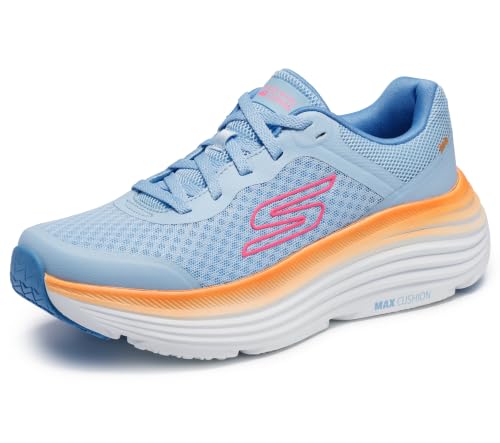
- Best Budget-Friendly: Skechers Arch Fit 2.0, podiatrist certified arch support
- Best for Bunions & Swelling: Orthofeet Coral, seamless interior and orthotic insole
- Best for Wide Feet: New Balance 990v6, supportive polyurethane rim
- Easiest to Put On: Propet Stability Walker, strap closure, no laces needed
- Most Stylish Orthopedic Option: Vionic Walker Classic 2.0, built in biomechanical footbed
- Best for Active Seniors: Brooks Glycerin GTS 23, GuideRails support with maximum cushioning
Why Your Shoes Matter More Than You Think
Falls are not a small inconvenience for older adults. According to the CDC, more than one in four adults over 65 falls each year, and falls are the leading cause of injury among seniors. What most people do not realize is that footwear is one of the few fall risk factors you can control immediately, today, without a doctor’s appointment or a home renovation.
Walking shoes for seniors with balance problems are not just cushioned sneakers with a senior label slapped on them. They are engineered with a wider base, firmer midsoles, secure closures, and outsoles designed to grip rather than slide. Every feature exists to answer one question: will this shoe help you stay upright when your body sends a slightly delayed signal to correct itself?
If you deal with neuropathy, inner ear issues, arthritis, or simply the natural changes that come with getting older, your feet are not getting the same real time feedback they used to. That is where the shoe has to do some of the work your nerves used to handle on their own.
Key Facts: What Makes a Shoe Safe for Seniors with Balance Issues
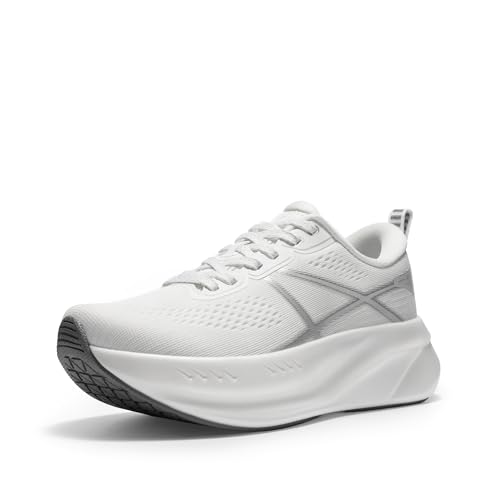
- A wider, flared outsole creates a larger footprint and more resistance to tipping sideways.
- Firm, structured midsoles support balance better than overly plush, squishy foam.
- A low, stable heel (generally under one inch) reduces the risk of ankle rolling.
- Non slip rubber outsoles with multidirectional tread patterns grip better on tile, hardwood, and wet pavement.
- A secure closure, whether laces, straps, or hook and loop, keeps the foot from sliding inside the shoe.
- A roomy, deep toe box accommodates swelling, bunions, and orthotic inserts without pinching.
Compare the Top 9 Walking Shoes for Seniors with Balance Problems
| Shoe | Best For |
|---|---|
| New Balance 928v3 | Overall stability |
| Brooks Addiction Walker 2 | Diabetics & neuropathy |
| Hoka Clifton 11 | Cushioned comfort |
| Skechers Arch Fit 2.0 | Everyday arch support |
| Orthofeet Coral | Bunions & swelling |
| New Balance 990v6 | Wide feet |
| Propet Stability Walker | Easy on and off |
| Vionic Walker Classic 2.0 | Style plus support |
| Brooks Glycerin GTS 23 | Active seniors |
Width, closure, and stability details for each shoe are listed right below its name further down the page.
What to Look for in Stability Shoes for Seniors with Balance Issues
Before we get into the picks, let’s talk about what actually separates a genuinely supportive shoe from marketing hype.

A wide, stable base. Look for outsoles that flare out slightly beyond the upper. That extra width under your foot gives you a bigger platform to correct yourself if you start to lean.
Firm but forgiving cushioning. This surprises a lot of people. A shoe that feels like walking on a cloud can actually work against stability because your foot sinks and shifts with every step. Stability shoes for seniors with balance issues usually pair moderate cushioning with a firmer, more structured base layer underneath.
Motion control features. Many of the shoes below include rollbar or guide rail technology, which are built in structures that limit how far your foot can roll inward or outward. This is a game changer if you deal with overpronation or general instability.
A low center of gravity. The higher and softer a shoe’s heel, the further your center of gravity shifts and the harder your body has to work to stay balanced. Look for a heel height under an inch whenever possible.
Secure, adjustable closures. If you have the dexterity for lace-up walking shoes for seniors, laces still offer the most customizable and secure fit. If tying laces is a struggle, hook and loop straps or elastic lacing systems are excellent alternatives that still lock the foot in place.
A wide toe box. Seniors dealing with swelling, bunions, or hammertoes need room up front. A cramped toe box can actually throw off your gait and posture, which affects balance more than people expect.
If any of this feels overwhelming, you are not alone, and that is exactly why we did the digging for you.
The 9 Best Walking Shoes for Seniors with Balance Problems
1. New Balance 928v3
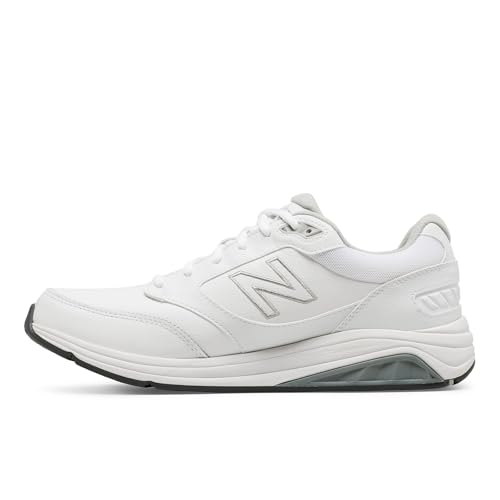
Best Overall
Width options: Narrow to extra wide | Closure: Lace up | Stability feature: Rollbar motion control
The New Balance 928v3 has been a favorite among physical therapists for years, and it earns that reputation honestly. This is a true motion control walking shoe for seniors, built with Rollbar technology that limits excess rearfoot movement so your foot lands and stays where it should.
The midsole is firm enough to keep you grounded while still cushioning each step, which is exactly the balance stability shoes need to strike. It also comes in multiple widths, which matters enormously if you have struggled to find shoes that do not pinch or slide.
Pros:
- Rollbar technology actively limits ankle rolling
- Available in narrow through extra wide
- Firm, supportive midsole without feeling harsh
Cons:
- Bulkier look than a standard walking shoe
- Higher price point than budget options
→ Check current price and available widths.
2. Brooks Addiction Walker 2

Best for Diabetics & Neuropathy
Width options: Standard to extra wide | Closure: Lace up | Stability feature: Progressive Diagonal Rollbar
If you want a shoe that reads as much medical device as sneaker, in the best possible way, this is it. The Brooks Addiction Walker 2 uses a Progressive Diagonal Rollbar to guide your foot into a stable, natural stride, paired with MoGo cushioning that absorbs shock without feeling mushy.
It is also a certified diabetic shoe, with extra depth to accommodate custom orthotics or swelling. For anyone searching for genuinely orthopedic walking shoes for seniors, this one shows up on nearly every podiatrist’s list for good reason.
Pros:
- Certified diabetic shoe with extra depth
- MoGo cushioning absorbs shock effectively
- Accommodates custom orthotic inserts
Cons:
- Some wearers report a noisier sole on hard floors
- Heavier feel than lighter walking shoes
→ Check current price and available widths.
3. Hoka Clifton 11
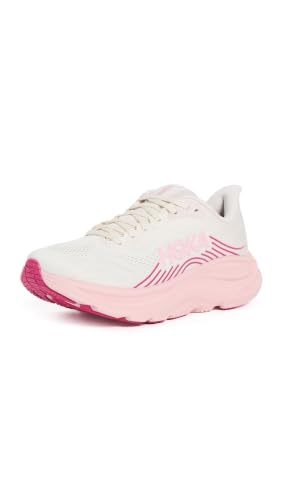
Best Cushioned Pick
Width options: Standard to wide | Closure: Lace up with pull tabs | Stability feature: Wide rockered base
Podiatrists frequently point to the Hoka Clifton line when patients need cushioning that does not sacrifice stability. The latest version keeps the same wide, stable platform and 8mm drop as its predecessor, with a softer, more pliable upper and a reworked sockliner for extra cushion.
The pull tabs at the heel and tongue make it genuinely easy to get on and off, which is a small detail that matters a lot if bending over or gripping tight laces has become difficult. This is one of the better non-slip walking shoes for seniors if you spend a lot of time on hard flooring.
Pros:
- Wide, rockered base adds stability
- Pull tabs make it easy to put on and take off
- Protects joints without feeling unstable
Cons:
- Wide width options more limited than some competitors
- Higher stack height may take adjustment
→ Check current price and available widths.
4. Skechers Arch Fit 2.0
Best Budget-Friendly
Width options: Standard to wide | Closure: Lace up | Stability feature: Podiatrist certified arch support
The Skechers Arch Fit line built its reputation on podiatrist certified arch support, and this second generation refines that formula with an updated cushioned midsole for even more shock absorption. Proper arch support keeps your weight distributed evenly across your foot instead of collapsing inward, which helps prevent the fatigue and shuffling gait that often leads to instability later in the day.
The cushioned insole and lightweight design make it approachable for seniors who are just starting to prioritize supportive footwear. If you are looking for walking shoes with good arch support for seniors at a more accessible price point, this belongs on your short list.
Pros:
- Podiatrist certified arch support
- Lightweight and easy to wear all day
- More accessible price point than most on this list
Cons:
- Less motion control than dedicated stability shoes
- Narrower toe box than orthopedic-style options
→ Check current price and available widths.
5. Orthofeet Coral
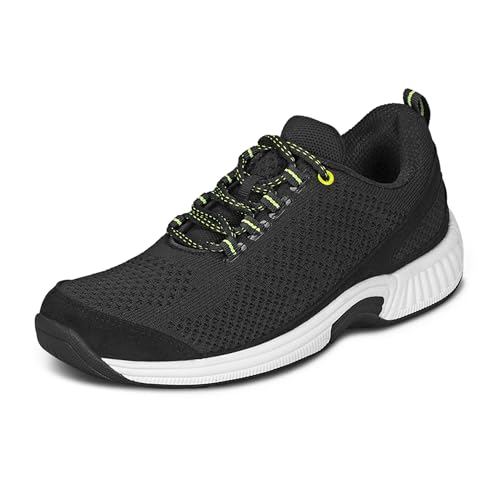
Best for Bunions & Swelling
Width options: Standard to extra wide | Closure: Lace up | Stability feature: Orthotic insole, seamless interior
Orthofeet built its entire brand around solving foot problems most other companies ignore, and the Coral is one of its strongest walking models. It features an orthotic insole, a non-binding upper, and a wide, cushioned sole designed specifically for best shoes for elderly with poor balance and sensitive feet.
The seamless interior reduces friction points that can cause blisters or irritation, and the extra depth design leaves room for swelling or a custom insert. This is often the shoe we recommend first when someone tells us they have tried everything else and nothing feels right.
Pros:
- Seamless interior reduces blisters and irritation
- Extra depth accommodates swelling and custom inserts
- Non-binding upper for sensitive feet
Cons:
- More orthopedic look than mainstream sneaker styles
- Break-in period reported by some wearers
→ Check current price and available widths.
6. New Balance 990v6

Best for Wide Feet
Width options: Narrow to extra wide | Closure: Lace up | Stability feature: Polyurethane stability rim
The New Balance 990v6 takes a slightly different approach, combining soft forefoot and heel cushioning with a supportive polyurethane rim around the midsole. That rim acts almost like a built in guardrail, helping to reduce the ankle rolling that so often leads to falls.
The mesh upper keeps the shoe breathable, and the lace up closure allows for a genuinely secure, customized fit. If durability and everyday versatility matter to you as much as stability, this is a shoe that can go from the grocery store to the walking trail without missing a beat.
Pros:
- Widest range of width options on this list
- Breathable mesh upper
- Versatile enough for errands and longer walks
Cons:
- Premium price point
- Less specialized for medical foot conditions than Orthofeet or Brooks
→ Check current price and available widths.
7. Propet Stability Walker
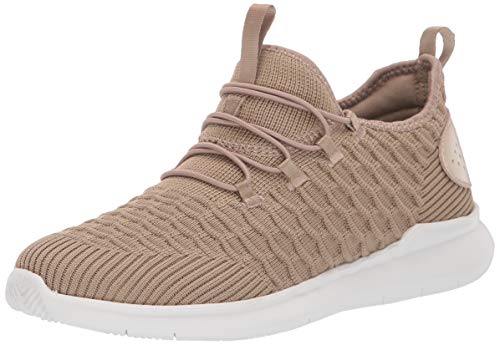
Easiest to Put On
Width options: Standard to extra wide | Closure: Adjustable strap | Stability feature: Wide base, no lacing required
As the name promises, this shoe was designed from the ground up around one goal, keeping you steady. The Propet Stability Walker features a particularly wide base and a secure strap system that locks your foot in place, which makes it an excellent option if traditional laces have become frustrating.
It is a popular pick among caregivers searching for best shoes for elderly parents with balance issues, largely because it is so easy to get on and off independently. The firm sole and broad footprint make it one of the more purpose built options on this list.
Pros:
- No lacing required, ideal for limited dexterity
- Particularly wide, stable base
- Easy to put on independently
Cons:
- Less adjustable fine tuning than laces offer
- More utilitarian appearance
→ Check current price and available widths.
8. Vionic Walker Classic 2.0
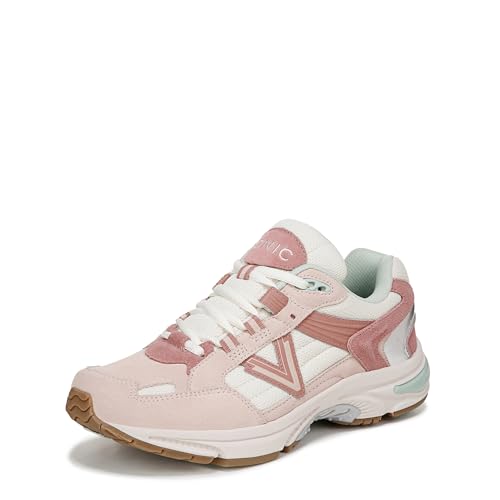
Most Stylish Orthopedic Option
Width options: Standard to wide | Closure: Lace up | Stability feature: Biomechanical orthotic footbed
Vionic built its name on biomechanical footbeds that support the arch and heel the way a custom orthotic would, and the Walker Classic 2.0 brings that technology into a genuinely attractive walking shoe. The podiatrist designed footbed helps correct minor pronation issues that can quietly throw off your balance over the course of a long day.
The leather upper and traditional lace up design give it a more polished, everyday look, which matters if you want a shoe that works for errands and outings without looking overtly medical. It is proof that orthopedic walking shoes for seniors do not have to sacrifice style for support.
Pros:
- Built in orthotic support with a polished, everyday look
- Leather upper feels more elevated than typical orthopedic shoes
- Helps correct minor pronation issues
Cons:
- Narrower width range than dedicated stability brands
- Leather requires more upkeep than mesh uppers
→ Check current price and available widths.
9. Brooks Glycerin GTS 23

Best for Active Seniors
Width options: Standard to wide | Closure: Lace up | Stability feature: GuideRails support system
Rounding out the list is a shoe built for seniors who are still highly active and want serious cushioning without giving up support. The latest Glycerin GTS pairs an even plusher DNA Tuned midsole with Brooks’ GuideRails system, which gently corrects excess movement only when your stride needs it, rather than restricting your natural motion the whole time.
That tall stack height is balanced by a wider platform, so you get plush comfort without the wobbly feeling some heavily cushioned shoes create. For seniors who walk for exercise, not just errands, this is one of the more capable shoes to prevent falls in the elderly currently on the market.
Pros:
- GuideRails system corrects movement only when needed
- Maximum cushioning for longer, exercise-focused walks
- Wider platform balances the tall stack height
Cons:
- Taller stack height may feel different for first time wearers
- Not the lightest option on this list
→ Check current price and available widths.
A Quick Word From Claudia
After my mother’s fall, we spent an entire Saturday afternoon trying on shoes together at three different stores. What surprised me most was not the price tags. It was how many “walking shoes” on the shelf were really just fashion sneakers with a supportive sounding name.
Once she switched into a proper motion control shoe with a wider base, her whole posture changed. She stood up straighter. She walked faster, not because she was rushing, but because she trusted her feet again. That confidence is really what we are shopping for here. The shoe is just the delivery system.
How These Shoes Work Alongside the Rest of Your Routine

Footwear is a huge piece of the fall prevention puzzle, but it is not the only piece. Pairing the right shoes with low-impact exercises for seniors that build leg strength and coordination gives you an even sturdier foundation. If knee discomfort has been holding you back from walking regularly, our guide to low-impact exercises for seniors with bad knees can help you ease back in comfortably.
Many of the same women and men who ask us about balance also deal with circulation issues, so it is worth glancing at our roundup of compression socks and whether compression socks help with varicose veins, since swelling can change how your shoes fit throughout the day. Sore heels are another common complaint we hear, and our guide to the best shoes for heel pain and walking all day covers that in more depth.
If knee pain specifically is part of your balance story, our article on the best shoes for knee pain for women over 50 pairs well with everything covered here, and if weak ankles are the bigger concern, take a look at our picks for the best running shoes for weak ankles and the best ankle support for weak ankles. For anyone using a mobility aid alongside supportive footwear, we also have a helpful guide to the best rollator walker for tall person. And if daily strength work is part of your plan, our list of 5 exercises to do every day for over 60 rounds things out nicely.
Frequently Asked Questions
What type of shoe is best for seniors with balance problems?
Look for a shoe with a wide, flared outsole, a firm but cushioned midsole, a low heel under one inch, and a secure closure like laces or adjustable straps. Motion control features, such as a rollbar or guide rail system, offer extra help for seniors dealing with overpronation or general instability.
Are cushioned shoes better or worse for balance?
It depends on the type of cushioning. Overly soft, plush foam can actually reduce stability because your foot sinks and shifts with every step. The best walking shoes for seniors with neuropathy or balance issues pair moderate cushioning with a firmer, more structured base underneath.
Should seniors avoid slip-on shoes entirely?
Not necessarily, but slip on shoes generally offer less support than a lace up or strap style shoe. If dexterity makes laces difficult, look for slip on styles with a structured heel counter and a snug, supportive fit rather than a loose, floppy design.
How often should walking shoes be replaced?
Most walking shoes lose meaningful cushioning and support after 300 to 500 miles of wear, which for many seniors translates to somewhere between six months and a year of regular use. If you notice uneven wear on the outsole or the shoe feels less supportive than it used to, it is time for a new pair.
Can the right shoes really help prevent falls?
Yes. Footwear is one of the most immediately correctable fall risk factors available to seniors. A wider base, firm midsole, and secure fit all work together to improve balance and reduce the chance of a slip, trip, or roll.
What if I need a wide width?
Several of the shoes above, including the New Balance 928v3, New Balance 990v6, and Orthofeet Coral, are available in multiple width options. If you are searching specifically for walking shoes for seniors with wide feet, those three are excellent starting points.

Final Thoughts
You deserve to walk into your day without wondering if this is the step that goes wrong. That is not being dramatic, that is just being honest about what balance issues actually feel like day to day. The good news is that this particular problem has real, practical solutions, and a supportive pair of shoes is one of the easiest changes you can make starting tomorrow morning.
Whichever pair you choose from this list, prioritize fit over looks and stability over trends. Your feet, and the people who love you, will thank you for it.
About the author

Claudia Faucher is a fitness and lifestyle blogger who shares practical tips for women over 50 on staying active, stylish, and confident. As the creator of FitFab50.com and Beyond59.com, she covers topics like workout gear, beauty trends, and wellness routines. Claudia is passionate about helping others live their best life at any age.
Last update on 2026-09-23 / Affiliate links / Images from Amazon Product Advertising API