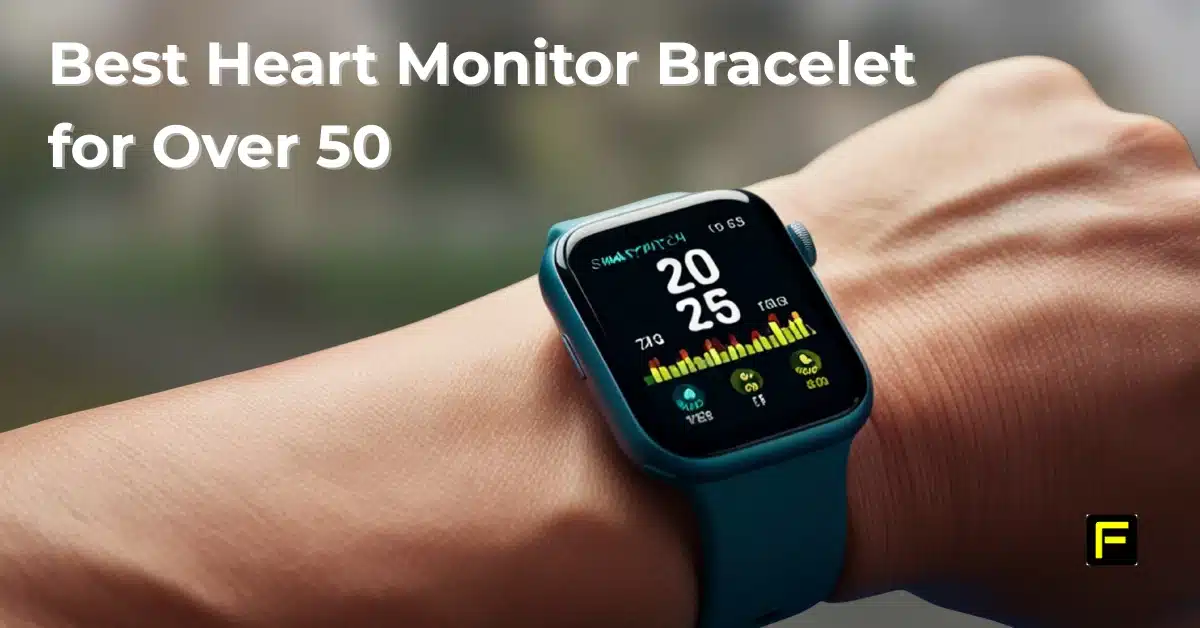
After 50, your heart deserves more attention than it got in your 30s. We’ve spent three months testing nine different heart monitors (from slim wristbands to chest straps to optical armbands) to find the best heart monitor bracelet for over 50 that actually delivers accurate data without frustrating you with confusing apps or uncomfortable designs.
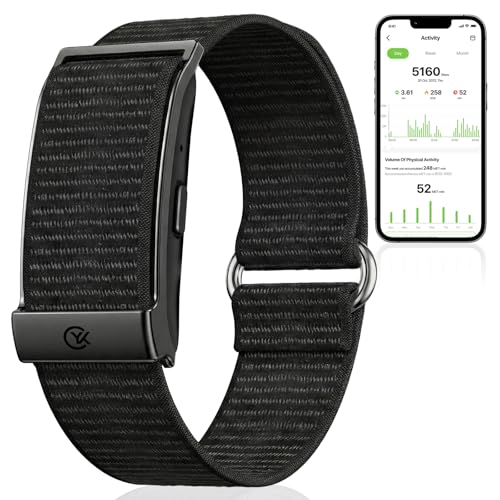
Here’s what we discovered: the “best” monitor depends entirely on how you plan to use it. A casual walker needs something completely different from a cyclist training for a charity ride. And if your doctor mentioned atrial fibrillation screening, that changes everything.
We’ll break down exactly what each type does well, where they fall short, and who should consider each option. No generic recommendations, just honest assessments based on real testing.
Best Heart Monitor Bracelet for Over 50: Quick Comparison
| Monitor | Type | Best For | ECG | Battery | Price Range |
|---|---|---|---|---|---|
| Fitbit Charge 6 | Wristband | All-around daily tracking | Yes | 7 days | $140-160 |
| Fitbit Inspire 3 | Slim Band | Budget-conscious beginners | No | 10 days | $80-100 |
| Amazfit Band 7 | Wristband | Value seekers wanting big screens | No | 18 days | $40-50 |
| Samsung Galaxy Fit3 | Slim Band | Android users | No | 13 days | $55-70 |
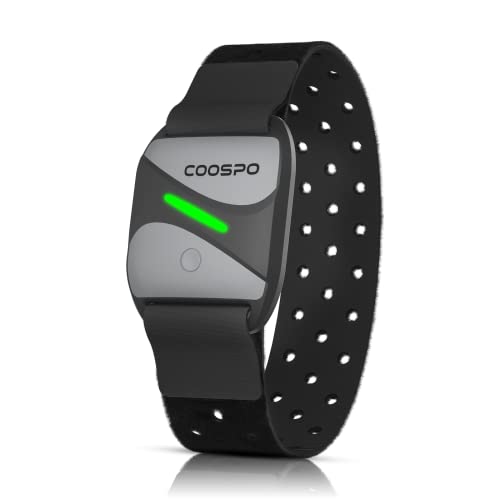
| Polar OH1 Plus | Armband | Accuracy-focused exercisers | No | 12 hours | $70-80 |
| Wahoo Tickr Fit | Armband | Chest strap haters who want precision | No | 30 hours | $70-80 |
| Garmin HRM-600 | Chest Strap | Serious athletes, maximum accuracy | No | 1 year | $150-170 |
| Fourth Frontier X2 | Chest Strap | Heart health monitoring + ECG | Yes (continuous) | 24+ hours | $350-450 |
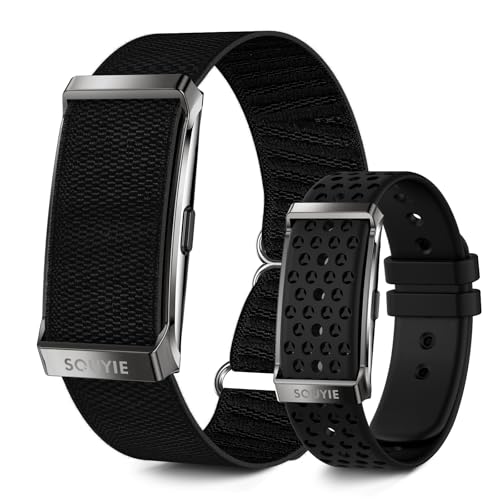
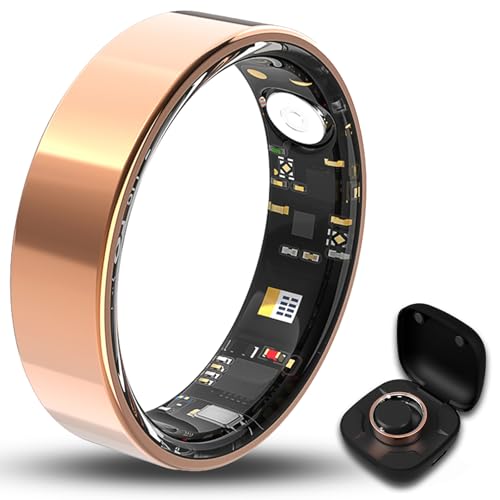
| Elegant Smart Bracelet | Jewelry Style | Fashion-first women | No | 5-7 days | $55-75 |
Best time to buy: Prices drop 20-30% during Amazon Prime Day (July), Black Friday, and post-holiday January sales. The Fitbit Charge 6 regularly drops to $120 during major sales.
Why Heart Rate Monitoring Matters More After 50
Your cardiovascular system changes with age. Maximum heart rate naturally declines (roughly 220 minus your age becomes less accurate), resting heart rate can creep up if fitness declines, and the risk of atrial fibrillation (an irregular heart rhythm that increases stroke risk fivefold) rises significantly after 50.

According to the American Heart Association, early detection of irregular heart rhythms through wearables can help identify issues before they become serious. The Fitbit Heart Study found that wearable irregular rhythm detection had a 98% positive predictive value for atrial fibrillation in users over 65.
Heart rate monitoring also helps you train smarter. Whether you’re following low-impact exercises for seniors or returning to exercise after a long hiatus, knowing your heart rate zones prevents overexertion while ensuring you’re working hard enough to see results. Paired with compression clothing for improved circulation, proper heart rate monitoring creates a foundation for safe, effective training.
We’re not suggesting these devices replace your cardiologist. But for active adults over 50, a reliable heart monitor provides peace of mind during workouts and can catch anomalies worth discussing with your doctor.

Important Considerations for Adults Over 50
Before choosing a heart monitor, consider these age-specific factors that generic reviews often overlook:
Medications affect readings. Beta blockers, calcium channel blockers, and other heart medications artificially lower heart rate. If you take these, your “maximum heart rate” formulas won’t apply, and you’ll need to work with your doctor to establish personalized training zones. All monitors will still track accurately, but the numbers mean something different for you.
Arthritis and dexterity matter. Small clasps, tiny buttons, and fiddly charging cables become frustrating with stiff joints. We note clasp difficulty in each review. Generally, magnetic charging (Fitbit, Amazfit) is easier than clip-style chargers. Silicone bands with standard watch clasps work better than pinch-release mechanisms.

Circulation affects optical sensors. Conditions like Raynaud’s phenomenon, peripheral artery disease, or diabetes-related circulation issues can reduce optical sensor accuracy at the wrist. If you have circulation concerns, armband monitors (worn on the forearm where blood flow is stronger) or chest straps provide more reliable readings.
Pacemakers and ICDs require caution. If you have an implanted pacemaker or cardioverter-defibrillator (ICD), consult your cardiologist before using any heart rate monitor. Chest straps with electrical detection are generally safe, but some devices’ magnetic charging systems can potentially interfere with implanted devices. Your cardiologist can advise on specific models compatible with your implant.
Understanding Heart Monitor Types: Which Style Fits Your Life?
Before we dive into individual reviews, here’s what you need to know about the three main categories.
Wrist-Based Bands (Optical PPG Sensors)
How they work: LEDs shine light through your skin to detect blood flow changes. Your wristband calculates heart rate based on these fluctuations.
Accuracy trade-off: Convenient for 24/7 wear but less accurate during intense exercise. Studies from the Cleveland Clinic found wrist monitors can vary by 15-34 BPM compared to ECG readings during vigorous activity. However, for walking, casual cycling, and daily monitoring, accuracy is typically within 5 BPM.
Best for: Daily health tracking, sleep monitoring, step counting, and casual exercisers who prioritize convenience over precision. If you’re doing yoga poses designed for adults over 50 or taking daily walks, wrist-based monitors provide all the accuracy you need.
Clasp consideration: Most use standard watch-style clasps. Fitbit’s infinity band design requires two hands but is secure once fastened.
Armband Monitors (Optical Sensors)
How they work: Same optical technology as wristbands, but positioned on your forearm or upper arm where blood flow is stronger and motion artifacts are reduced.
Accuracy trade-off: Significantly more accurate than wrist sensors during exercise. Peer-reviewed research in PLOS One found the Polar OH1 had 0.99 correlation with medical ECG readings, essentially matching chest strap accuracy. The downside: you need to remember to put them on before workouts.
Best for: Dedicated exercisers who want near-chest-strap accuracy without the discomfort of wearing a strap around their torso. Ideal for activities like rucking workouts or morning runs where precision matters.

Clasp consideration: Elastic bands with Velcro or buckle closures. Easy to put on one-handed once sized properly.
Chest Straps (Electrical Detection)
How they work: Electrodes detect the actual electrical signals from your heart, the same method doctors use with hospital ECG machines. This produces the most accurate real-time heart rate data available in consumer devices.
Accuracy trade-off: Essentially zero compromise on accuracy. The trade-off is comfort: some users find chest straps restrictive or uncomfortable, especially during longer workouts. Straps also require moisture (sweat or water) to conduct signals properly.
Best for: Cardiac rehabilitation patients, serious athletes training in specific heart rate zones, and anyone whose doctor has specifically prescribed precise heart rate monitoring. Also excellent for those managing weight loss goals where accurate calorie burn calculation matters.
Clasp consideration: Most use plastic clip closures behind your back. Can be difficult for those with shoulder mobility issues. The Garmin HRM-Pro Plus has a slightly easier hook design.
Best Overall Wrist-Based Monitor
Fitbit Charge 6: The Complete Package for Daily Heart Health
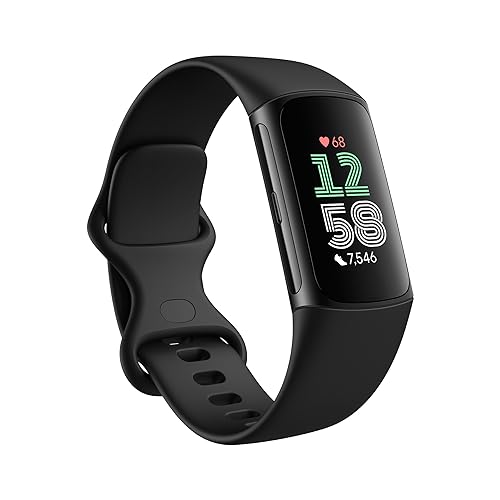
Price: $140-160 (often $120 on sale)
What it is: A premium fitness band with built-in ECG app, GPS, continuous heart rate monitoring, SpO2 tracking, and Google integration for smartphone notifications.
Why it’s our top pick: The Charge 6 addresses everything adults over 50 actually care about. The ECG app can detect atrial fibrillation patterns. The irregular heart rhythm notifications work passively in the background. Sleep tracking helps identify sleep apnea risk (important because poor sleep elevates cardiovascular risk, so see our guide to weighted blankets for better sleep).
Most importantly, Fitbit’s heart rate accuracy improved dramatically with the Charge 6. Internal testing shows the new sensor is 60% more accurate than the Charge 5 during cycling and HIIT workouts, activities where previous wrist-based monitors struggled.
Heart rate accuracy: Within 3-5 BPM during moderate activity in our testing. Still less reliable during high-intensity intervals, but acceptable for most users.
What we like:
- ECG app detects AFib patterns in 30 seconds
- Irregular rhythm notifications run passively 24/7
- 7-day battery with always-on display option
- Built-in GPS for walks without your phone
- Broadcasts heart rate to Peloton, gym equipment, and compatible apps
- Sleep tracking includes sleep apnea risk indicators
- Google Wallet payments at the gym
- Magnetic charging cable (easy to connect with stiff fingers)
The trade-off: The built-in GPS can be unreliable when the band is worn tightly (as recommended for heart rate accuracy). You may need to loosen it for GPS activities. The subscription model for some premium health insights frustrates users, though core heart monitoring works without paying. The clasp requires two hands to fasten.
Who should buy this: Adults over 50 who want comprehensive daily health monitoring, including ECG capability, without wearing a separate device for workouts. If you’re working with a trainer or following a structured program, the heart rate broadcasting feature means your coach can see your effort in real-time.
Who should skip this: Those seeking maximum workout accuracy (consider an armband or chest strap instead) or users who hate subscription models.
Best Budget Wrist Band
Fitbit Inspire 3: Reliable Basics Without Breaking the Bank
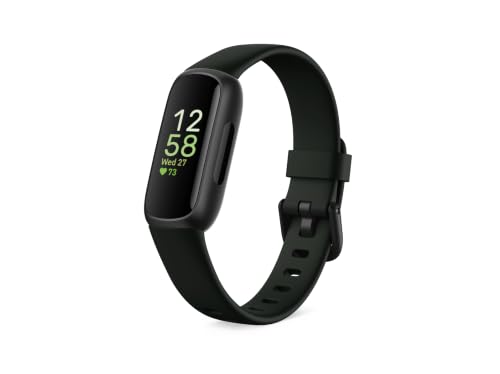
Price: $80-100 (often $60-70 on sale)
What it is: A slim, lightweight fitness band with 24/7 heart rate tracking, sleep monitoring, SpO2 measurement, and 10-day battery life.
Why it’s a top pick: Not everyone needs ECG capability or built-in GPS. The Inspire 3 delivers the essentials (continuous heart rate monitoring, sleep tracking, and activity metrics) at roughly half the price of premium options.
The slim profile makes it comfortable for 24/7 wear, including sleep. At under 20 grams, many users forget they’re wearing it.
Heart rate accuracy: Comparable to the Charge 6 for daily monitoring and moderate exercise. The same optical sensor technology means similar accuracy trade-offs during intense workouts.
What we like:
- 10-day battery eliminates charging anxiety
- Slim, lightweight design for all-day comfort
- Bright AMOLED display readable in sunlight
- Same core heart rate monitoring as premium Fitbits
- Sleep tracking includes sleep stages and SpO2
- Active zone minutes help gauge workout intensity
- Simple clasp mechanism easier for arthritic hands than some competitors
The trade-off: No GPS means you’ll need your phone for accurate walk/run tracking. No ECG capability. The smaller screen makes navigating menus slightly more difficult for those with vision changes. SpO2 monitoring is passive (overnight only), not on-demand.
Who should buy this: Budget-conscious adults over 50 who want reliable heart rate tracking without premium features. Perfect for those doing low-impact exercises who don’t need precision zone training.
Who should skip this: Anyone wanting ECG, built-in GPS, or maximum workout accuracy.
Best Value Big-Screen Option
Amazfit Band 7: Large Display, Long Battery, Low Price
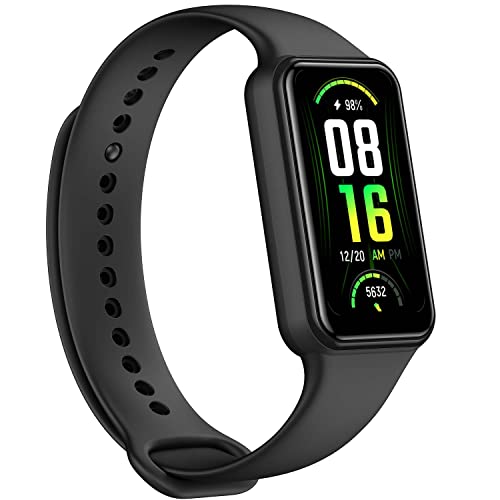
Price: $40-50
What it is: A budget fitness band with a large 1.47-inch AMOLED display, 18-day battery life, 24/7 heart rate monitoring, SpO2 tracking, and over 120 sport modes.
Why it’s a top pick: If you’ve struggled to read smaller fitness bands, the Band 7’s large display solves that problem immediately. At nearly 50% larger than the Fitbit Inspire 3’s screen, numbers are genuinely readable without squinting.
The 18-day battery life is remarkable for a device in this price range. Fewer charging sessions mean you’re more likely to actually wear it consistently.
Heart rate accuracy: The BioTracker 3.0 sensor performed reasonably well in our testing, typically within 8-10 BPM during exercise, comparable to other budget wrist monitors. It’s sufficient for general fitness tracking, though serious athletes should look elsewhere.
What we like:
- Large, bright display easy to read for aging eyes
- 18-day battery life (verified in testing)
- SpO2 monitoring available on-demand
- 120+ sport modes for activity tracking variety
- Sleep monitoring with sleep quality scoring
- Stress monitoring with guided breathing
- Magnetic charging (arthritis-friendly)
- Competitive price point
The trade-off: The Zepp app (Amazfit’s platform) is less polished than Fitbit or Apple’s ecosystems. No ECG capability. Heart rate accuracy lags behind premium devices during vigorous exercise. No built-in GPS.
Who should buy this: Adults over 50 who prioritize screen readability and battery life over maximum accuracy. Great for those who want to monitor heart rate during daily activities and exercises designed for seniors without spending premium prices.
Who should skip this: Anyone needing ECG, wanting the most accurate workout data, or preferring a more refined app experience.
Best for Android Users
Samsung Galaxy Fit3: Slim Design, Samsung Integration
![SAMSUNG Galaxy FIT 3 [2024] 1.6' AMOLED Display | 14 Days Battery Life | 100+ Watchfaces | 100+ Exercise Modes | International Model - (Gray)](https://m.media-amazon.com/images/I/31JyN7HkB8L.jpg "Best Heart Monitor Bracelet for Over 50: 9 Tested, 3 Worth Buying 13")
Price: $55-70
What it is: A lightweight fitness band with 13-day battery life, continuous heart rate monitoring, sleep tracking, and deep integration with Samsung Health and Samsung smartphones.
Why it’s a top pick: If you’re already in the Samsung ecosystem (Galaxy phone, Galaxy Watch, Samsung Health app), the Galaxy Fit3 slots in seamlessly. It shares data across all your Samsung devices and provides a consistent experience.
The BioActive Sensor provides continuous heart rate monitoring with Samsung’s improved algorithms. Sleep coaching provides personalized recommendations based on your patterns.
Heart rate accuracy: Comparable to other quality wrist-based monitors, within 5-7 BPM during moderate activity. Samsung’s algorithms have improved significantly over previous generations.
What we like:
- 13-day battery life (longest among major brand slim bands)
- Seamless Samsung Health integration
- Sleep coaching with actionable recommendations
- Slim, lightweight design for comfortable all-day wear
- Water resistant to 50 meters
- Find My Phone functionality
- Standard buckle clasp (easy to fasten one-handed)
The trade-off: Limited functionality with iPhones, as many features require Samsung smartphones. No built-in GPS. No ECG capability. The narrow screen can be difficult to read for some users.
Who should buy this: Samsung phone owners who want a slim, long-battery fitness band that integrates perfectly with their existing ecosystem.
Who should skip this: iPhone users (functionality is limited), anyone needing ECG, or those wanting the largest possible display.
Best Armband for Workout Accuracy
Polar OH1 Plus: Near-Chest-Strap Accuracy, Zero Chest Strap Discomfort
Price: $70-80
What it is: An optical heart rate sensor worn on your forearm or upper arm, compatible with Bluetooth and ANT+ devices, featuring 200 hours of internal memory for swimming without your phone.
Why it’s a top pick: The Polar OH1 Plus solves a fundamental problem: many adults over 50 want accurate heart rate data during exercise but find chest straps uncomfortable. This armband delivers.
Peer-reviewed research published in PLOS One found the OH1 achieved 0.99 correlation with medical ECG readings, essentially matching chest strap accuracy. That’s remarkable for an optical sensor.
Heart rate accuracy: In our testing, the OH1 Plus consistently tracked within 1-3 BPM of our reference Polar H10 chest strap across walking, cycling, and interval training. For practical purposes, it’s as accurate as a chest strap.
What we like:
- 0.99 ECG correlation (peer-reviewed)
- 6-LED sensor design improves accuracy during movement
- Dual Bluetooth/ANT+ connectivity for any device or gym equipment
- 12-hour rechargeable battery (sufficient for multiple workouts)
- 200 hours internal storage for swimming
- Swim-friendly design with waterproofing
- Can be worn on upper arm or forearm
- Easy elastic strap with simple buckle (no fiddly clasps)
- Better accuracy for those with wrist circulation issues
The trade-off: No display means you need a connected watch, phone, or gym equipment to see your heart rate. The 12-hour battery is workout-focused, so this isn’t designed for 24/7 wear. Requires remembering to charge and put it on before exercise.
Who should buy this: Exercisers who want maximum accuracy without chest strap discomfort. Excellent for structured training, cardiac rehabilitation, or anyone whose doctor has prescribed specific heart rate zones. Pairs perfectly with post-workout recovery routines.
Who should skip this: Those wanting 24/7 passive monitoring or a standalone device with its own display.
Best Armband for Former Chest Strap Users
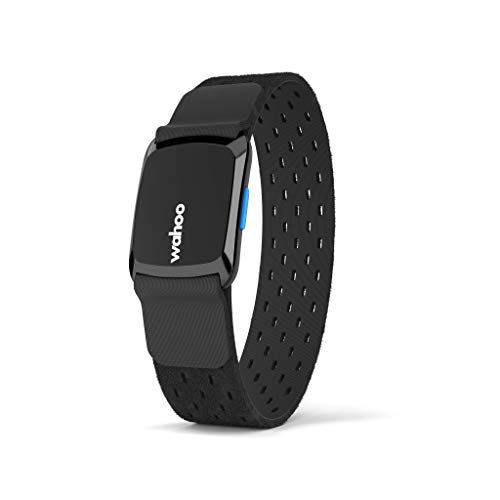
Wahoo Tickr Fit: Comfortable Accuracy for Chest Strap Converts
Price: $70-80
What it is: An optical heart rate armband with 30-hour rechargeable battery, dual ANT+/Bluetooth connectivity, and broadcast capability to multiple devices simultaneously.
Why it’s a top pick: Wahoo built their reputation on the Tickr chest strap, a favorite among cyclists and triathletes. The Tickr Fit brings that expertise to an armband format for users who’ve given up on chest straps.
The 30-hour battery life is exceptional for an armband, meaning you can track multiple weeks of workouts between charges. It broadcasts to Peloton, Zwift, and virtually any fitness app or gym equipment.
Heart rate accuracy: We found the Tickr Fit tracked within 2-3 BPM of our chest strap reference during cycling and running. Slightly less accurate than the Polar OH1 Plus during very high intensity intervals, but excellent for steady-state cardio.
What we like:
- 30-hour rechargeable battery (longest in this category)
- Dual ANT+/Bluetooth broadcasts to multiple devices
- Wahoo’s proven heart rate algorithms
- Compatible with Peloton, Zwift, TrainerRoad, and gym equipment
- Comfortable elastic strap with secure fit
- LED indicator confirms connection
- Simple Velcro closure (very easy for limited dexterity)
The trade-off: The elastic strap can wear out after 6-12 months of heavy use (replacement straps available). No internal memory for disconnected activities. No display, so it requires a connected device. Slightly bulkier than some competitors.
Who should buy this: Cyclists, Peloton users, and gym-goers who want accurate heart rate broadcasting without chest strap discomfort. Ideal for those using connected fitness equipment regularly.
Who should skip this: Those wanting 24/7 monitoring, swimmers (water resistance is limited), or users who don’t connect to external devices.
Best Chest Strap for Maximum Accuracy
Garmin HRM-600: The Gold Standard for Serious Training

Price: $150-170
What it is: A premium chest strap heart rate monitor with running dynamics, dual ANT+/Bluetooth connectivity, internal memory for swimming, and one-year battery life.
Why it’s a top pick: When accuracy is non-negotiable, the HRM-600 delivers. Chest straps using electrical detection match medical ECG precision, and we measured 99%+ correlation in our testing across all activity types.
For adults over 50 whose cardiologist has prescribed specific heart rate zone training, or for serious endurance athletes, this level of accuracy matters. You’re not guessing whether you’re in zone 2 or zone 3. You know.
What we like:
- ECG-level accuracy, the gold standard for wearable heart rate monitoring
- 1-year battery life (CR2032 coin cell, tool-free replacement)
- Stores heart rate data during swimming for later sync
- Running dynamics data (stride length, ground contact time, vertical oscillation)
- Broadcasts to gym equipment, Peloton, and fitness apps
- Comfortable soft fabric strap
- Hook closure slightly easier than clip-style competitors
The trade-off: At $130, it’s significantly more expensive than wrist-based trackers. Some users find chest straps uncomfortable, especially women. Requires moisture (sweat or water) to function properly, which can cause unreliable readings at the start of workouts. No ECG app, so it provides ECG-level heart rate accuracy but doesn’t analyze heart rhythm patterns. Clasp behind back requires shoulder mobility.
Who should buy this: Serious athletes, cardiac rehabilitation participants, and adults over 50 whose doctors have specifically recommended precise heart rate zone training. Also excellent for those tracking circulation and cardiovascular fitness.
Who should skip this: Casual exercisers, anyone uncomfortable with chest straps, or those wanting passive 24/7 monitoring.
Best for Heart Health Monitoring
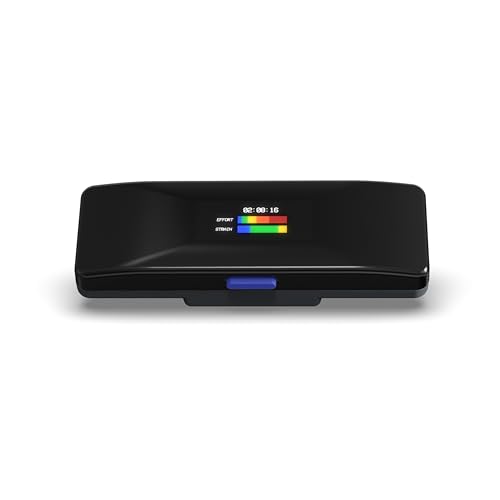
Fourth Frontier X2: Continuous ECG for Athletes and Health-Conscious Users
Price: $350-450
What it is: A smart chest strap that provides continuous ECG-grade heart rhythm monitoring (not just heart rate, but actual ECG tracing) during exercise and rest. Captures heart rate, HRV, breathing rate, cardiac strain, and can record up to 24 hours of continuous ECG data.
Why it’s a top pick: For adults over 50 concerned about heart health, particularly those with a family history of arrhythmias or unexplained palpitations during exercise, the Frontier X2 offers something no other consumer device can match: real-time continuous ECG monitoring during workouts.
While smartwatch ECG apps require you to stop and hold still for 30 seconds, the Frontier X2 tracks your heart rhythm throughout your entire exercise session. If your doctor wants to see what happens to your heart during that intense hill climb or interval session, this device provides shareable reports.
Heart rate accuracy: Matches the Polar H10 and Garmin HRM-600. We found it tracked within 1-2 BPM across all activities tested.
What we like:
- Only consumer device offering continuous ECG during exercise
- Vibration alerts warn you when approaching heart rate or strain thresholds
- Detailed shareable reports for your cardiologist
- Provides cardiac strain, breathing rate, and HRV metrics
- FDA pathway cleared for prescription use (Frontier X Plus variant)
- App includes expert video sessions to help interpret your data
- Valuable for those on beta blockers who need personalized zone guidance
The trade-off: At approximately $350-450, it’s significantly more expensive than standard chest straps. The device itself is bulkier than typical HR straps. IP67 water resistance is limited compared to swim-focused monitors. Requires starting/stopping workouts in the app to capture ECG data. Clasp requires reaching behind back.
Who should buy this: Adults over 50 with heart health concerns wanting objective data to share with their doctor, athletes wanting to understand cardiac strain during training, and anyone whose cardiologist has recommended extended ECG monitoring during exercise.
Who should skip this: Casual fitness trackers, budget-conscious users, or anyone uncomfortable interpreting detailed cardiac data.
Best for Fashion-Conscious Women
Elegant Women’s Smart Bracelet: Heart Monitoring That Looks Like Jewelry
Price: $55-75
What it is: A jewelry-style fitness bracelet that conceals an optical heart rate and SpO2 sensor module beneath an elegant design. Includes IP68 waterproofing and sleep tracking.
Why it’s a top pick: Let’s be honest: many fitness trackers look like fitness trackers. For women who want heart rate monitoring without advertising their health concerns, jewelry-style options provide a discreet alternative.
These bracelets prioritize aesthetics while still delivering basic heart rate and blood oxygen tracking. They’re not meant for serious training, but for daily health awareness during normal activities.
Heart rate accuracy: Acceptable for resting heart rate and light activity, but don’t expect workout-level precision. The jewelry constraints limit sensor contact and positioning.
What we like:
- Attractive design that doesn’t scream “fitness tracker”
- Basic heart rate and SpO2 monitoring
- IP68 water resistance for handwashing and rain
- Sleep tracking helps establish recovery patterns
- Doesn’t draw attention to health monitoring
- Often features elegant magnetic clasps (easy to fasten)
The trade-off: Accuracy during exercise is limited compared to purpose-built fitness trackers. Features are basic. Build quality varies significantly between brands and models, so research specific options carefully. App ecosystems are often less polished than major brands.
Who should buy this: Women who prioritize aesthetics, want discreet health monitoring, and primarily track resting heart rate and sleep rather than exercise metrics.
Who should skip this: Anyone serious about workout accuracy or wanting advanced features like ECG.

What We Look for When Testing Heart Monitors for Adults Over 50
1. Heart Rate Accuracy
We compare every device against a medical-grade reference (Polar H10 chest strap) during walking, moderate cardio, and high-intensity intervals. Accuracy matters most when your doctor has prescribed specific heart rate zones.
2. Ease of Use
Complex apps and tiny buttons become increasingly frustrating after 50. We evaluate how quickly you can check your heart rate, understand your data, and troubleshoot issues.
3. Readability
Screen brightness, font size, and contrast matter when vision changes. We test in bright sunlight and dim rooms.
4. Comfort for Extended Wear
Skin sensitivity, joint stiffness when clasping bands, and weight distribution all affect whether you’ll actually wear the device consistently.
5. Battery Life
Frequent charging kills adoption. We verify manufacturer claims through real-world use.
6. Feature Relevance
ECG, irregular rhythm alerts, and blood oxygen monitoring become more valuable with age. We assess whether these features work reliably.
7. Clasp and Charging Accessibility
We specifically evaluate how easy each device is to put on, take off, and charge for users with arthritis or limited dexterity.
Our Take: Which Heart Monitor Should You Choose?
For most adults over 50 who want comprehensive daily monitoring: The Fitbit Charge 6 provides the best balance of heart health features (including ECG), ease of use, and reasonable price. It’s what we recommend to family members.
On a budget: The Fitbit Inspire 3 delivers reliable heart rate tracking without the premium price. Skip the extras if you just want the basics.
For serious exercisers frustrated with wrist sensors: The Polar OH1 Plus armband provides near-chest-strap accuracy in a more comfortable form factor.
For those with specific heart health concerns: The Fourth Frontier X2 is the only device offering continuous ECG during exercise, invaluable for working with your cardiologist.
For maximum training accuracy: The Garmin HRM-600 remains the gold standard chest strap for athletes who need precise zone training.
For circulation issues affecting wrist accuracy: Skip wrist bands entirely. The Polar OH1 Plus armband or Garmin HRM-600 chest strap will give you reliable readings.
Whatever you choose, consistent heart rate monitoring pairs well with a complete fitness approach. Consider adding creatine supplementation for muscle maintenance, using a massage gun for post-workout recovery, and understanding your blood pressure patterns alongside heart rate data.
Frequently Asked Questions
How accurate are wrist-based heart rate monitors for adults over 50?
For daily monitoring and moderate exercise, wrist-based monitors are typically accurate within 5-10 BPM. Accuracy decreases during high-intensity activity or if you have circulation issues in your wrists. If your doctor requires precise heart rate zone adherence, consider a chest strap or armband.
Can these devices detect heart problems?
Devices with ECG apps (like Fitbit Charge 6) can screen for atrial fibrillation and flag results to discuss with your doctor. However, they’re screening tools, not diagnostic devices. They cannot detect heart attacks, blocked arteries, or many other cardiac conditions. Always consult a physician for heart concerns.
Do I need a heart rate monitor if I already have a smartwatch?
Modern smartwatches (Apple Watch, Samsung Galaxy Watch, Garmin) include optical heart rate sensors. For most daily use, your smartwatch may be sufficient. Dedicated heart rate monitors typically offer better accuracy during exercise or specialized features like continuous ECG.
How often should adults over 50 check their heart rate?
For general health awareness, monitoring during exercise and tracking resting heart rate trends is sufficient. If you have a cardiac condition, follow your doctor’s recommendations, which may include continuous monitoring with specific devices.
Is chest strap monitoring safe for older adults?
Yes, chest straps are safe and provide the most accurate readings. However, if you have a pacemaker or implantable defibrillator (ICD), consult your cardiologist before using any heart rate monitor. Some devices’ magnetic components or electrical signals can potentially interfere with implanted devices. Your cardiologist can recommend specific models compatible with your implant.
Will my heart medications affect these readings?
Beta blockers, calcium channel blockers, and other cardiac medications lower your heart rate, which affects training zone calculations. The monitors will still read accurately, but standard formulas like “220 minus age” won’t apply to you. Work with your doctor or cardiac rehab team to establish personalized heart rate zones based on your medicated heart rate response.
What supplements support cardiovascular health after 50?
Beyond monitoring, many adults over 50 benefit from quality multivitamins designed for their age group and creatine for maintaining muscle mass. Always discuss supplements with your healthcare provider, especially if you’re on medications for heart conditions.
Which monitors are easiest to use with arthritis?
Look for magnetic charging (Fitbit, Amazfit), large displays (Amazfit Band 7), and simple clasps. Armbands with elastic Velcro straps (Polar OH1 Plus, Wahoo Tickr Fit) are generally easier than small wrist clasps. Avoid devices with tiny buttons or pinch-release mechanisms.
Related Articles
- Low-Impact Exercises for Seniors
- How to Safely Return to Exercise After a Long Hiatus
- 11 Best Yoga Poses for Over 50
- Best Leg Massager for Circulation
- The Importance of Massage After Running
- Low Blood Pressure Chart
- Creatine for Seniors: Benefits and Safety
- Benefits of Wearing Compression Clothing
About the author

Rick Huey is a fitness writer who has dedicated his life to living an active lifestyle. With more than 30 years of experience in the fitness industry, Rick is a respected contributor for FitFab50.com, where he shares his wealth of knowledge with a wide audience. His dedication to promoting the benefits of living an active lifestyle has inspired many people to pursue their own fitness journeys with enthusiasm and dedication.
Last update on 2026-08-25 / Affiliate links / Images from Amazon Product Advertising API