
If you have been hearing a lot about creatine lately and wondering whether it is actually worth your attention, I completely understand the curiosity mixed with caution.
For a long time, creatine was marketed almost exclusively to young male athletes and bodybuilders, and women our age were largely left out of the conversation. That is finally changing, and the research coming out specifically for postmenopausal women and women over 60 is genuinely exciting.


In this guide, I want to walk you through everything you need to know, starting with the correct creatine monohydrate dosage for 60 year old woman and working through the benefits, safety profile, and how to fold it into your daily routine without overthinking it.
What Is Creatine Monohydrate and Why Does It Matter After 60?
Creatine is a naturally occurring compound your body produces in the liver, kidneys, and pancreas. It is also found in small amounts in foods like red meat and fish. Once in your body, creatine combines with phosphate to form phosphocreatine, which is stored primarily in your muscles and used to rapidly regenerate ATP, the fundamental energy currency your cells rely on for high-demand physical and cognitive work.

Here is the part that matters most for women our age. As we age past 30, our natural creatine levels drop about 8% per decade, making supplementation especially helpful for adults over 40. By the time you are 60, that decline is meaningful, and it shows up as reduced energy during exercise, slower muscle recovery, and greater difficulty maintaining lean muscle mass. For a broader look at how creatine fits into an active aging routine, see our guide to creatine for senior fitness.
The biological challenges compound after menopause. Estrogen plays a protective role in both muscle and bone, so when those levels fall, the biological process of aging is typically associated with a decrease in muscle quantity, muscle performance, bone mass and architecture, functionality, and neurological and cognitive function.
Creatine supplementation is now recognized as one of the most well-researched nutritional tools for addressing all of these areas simultaneously.
How Much Creatine Should a 60 Year Old Woman Take?
This is the question most women start with, and the answer is more straightforward than you might expect.
The Standard Maintenance Dose
The recommended daily dose of creatine is three to five grams, and research favors five grams for most adults. For seniors, as muscle mass declines, it may be more beneficial to take creatine monohydrate because the body’s natural production is already reduced.
For most women over 60, a daily dose of 3 to 5 grams of creatine monohydrate is both safe and effective. Five grams is approximately one level teaspoon, which makes measuring simple.
Most research on postmenopausal women uses this maintenance range, and it is the dose recommended by sports nutrition organizations for general health and healthy aging.


Should You Do a Loading Phase?
A loading phase involves taking a higher dose for a short period to saturate your muscles with creatine more quickly. Older adults can either start with a loading phase of 20 grams daily for 5 to 7 days then drop to a maintenance dose of 3 to 5 grams daily, or simply take about 4 grams every day without loading.
For women over 60, most practitioners lean toward the no-loading approach for a simple reason: it is gentler on the digestive system and produces the same long-term results.
The loading approach gets your muscles saturated faster (within a week rather than three to four weeks), but the end result after one month is essentially identical. Unless you have a specific reason to accelerate the process, starting at 3 to 5 grams per day and staying consistent is the most practical path.
Body-Weight Based Dosing
If you prefer a more personalized calculation, some research uses a body-weight protocol. One common approach for aging adults is 0.3 grams per kilogram of body weight for five days as a loading phase, followed by approximately 0.07 grams per kilogram per day as a maintenance dose.
For a woman weighing 140 pounds (about 63 kilograms), that translates to roughly 4.4 grams per day for ongoing maintenance. As you can see, this lands comfortably within the standard 3 to 5 gram recommendation.
The Bottom Line on Dosage
For most women at 60 and beyond, 5 grams of creatine monohydrate per day is the sweet spot. It is enough to saturate muscle stores over time, easy to measure, and consistent with the doses used in the most robust clinical trials focused on older women.
Top Benefits of Creatine for Women Over 60
The research on creatine for postmenopausal women has expanded rapidly in recent years. Here is what the science actually supports.
1. Preserving and Building Muscle Strength
Sarcopenia, the gradual loss of muscle mass, accelerates after menopause. Muscle strength drops by 16 to 40 percent after age 40, and the decline becomes steeper without active intervention. Creatine works by increasing the energy available to your muscles during resistance training, allowing you to train harder and recover faster, which drives adaptation and growth.

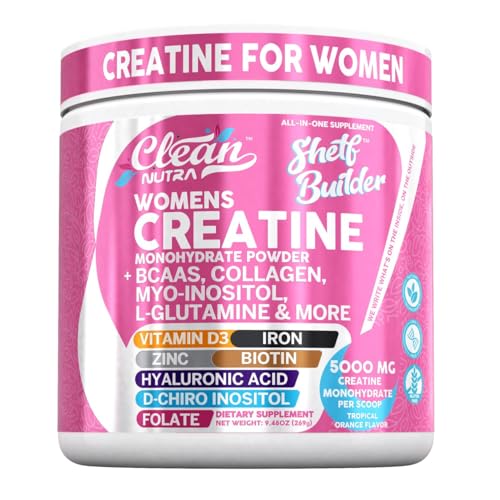

Creatine supplementation in postmenopausal women significantly enhances muscle mass, strength, bone health, and cognitive function, especially when combined with resistance training. A systematic review and meta-analysis focused specifically on older women found that creatine combined with resistance training produced meaningful gains in muscle strength, particularly when the training program lasted 24 weeks or longer.
The key takeaway here is the phrase “combined with resistance training.” Creatine is not a passive supplement. It works synergistically with exercise, amplifying the results you are already putting work into.

2. Supporting Bone Health
Bone density loss is one of the most serious health concerns for women over 60. We cover the research in depth in our dedicated article on creatine for bone health. Postmenopausal women have the highest rates of osteoporosis and hip fracture of any demographic group, and the consequences of a fracture at this stage of life can be severe.
A pilot study in postmenopausal women showed that creatine monohydrate significantly improved hip bone mineral density during a one-year resistance training program. Research found that when a creatine supplement is taken during a resistance training program, urinary markers of bone resorption are reduced compared to placebo.
The longest randomized controlled study to date combined creatine supplementation with resistance exercise over two years in postmenopausal women and demonstrated a positive impact on bone geometric properties and lean mass. While creatine is not a replacement for bone-specific medications when they are medically warranted, the evidence points to a meaningful supportive role, especially when paired with regular strength training.
| Preview | Product | Price | |
|---|---|---|---|
|
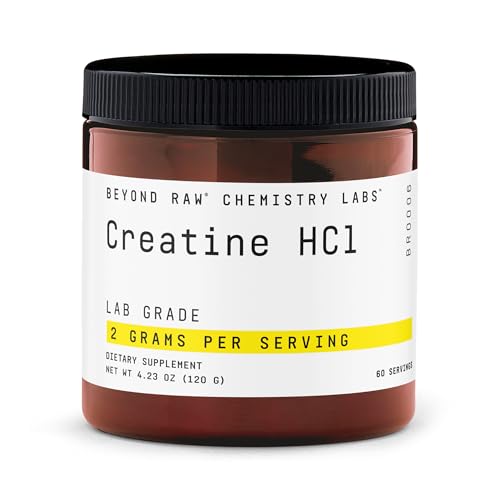
BEYOND RAW Creatine HCl Powder for Men and Women, 60 Servings | $39.99 | Buy on Amazon |
3. Cardiovascular and Circulatory Benefits
This is a newer area of research, but the findings are worth noting. Postmenopausal women have an elevated cardiovascular disease risk, partly due to reduced skeletal muscle microvascular blood flow, elevated reactive oxygen species, and impaired meal metabolism. Evidence suggests that creatine monohydrate holds promise for reducing cardiovascular risk through improvements in blood flow and reductions in oxidative stress.
A 2024 pilot study found that creatine improved blood vessel function in older adults after just four weeks. Participants showed better blood flow, improved microvascular function, and lower blood sugar and fat levels. These findings are preliminary and larger trials are needed, but they add another dimension to creatine’s potential value for women navigating the cardiovascular changes that come with aging.
4. Brain Health and Cognitive Function
One of the most underappreciated benefits of creatine for women our age is its potential impact on the brain. We cover this in full in our article on creatine for brain health. The current evidence suggests that creatine may be associated with benefits for cognition in generally healthy older adults, particularly in the domains of memory and attention.
Some studies have shown that taking creatine may improve brain function such as short-term memory, working memory, and reasoning in older women, especially under stressed conditions like not getting enough sleep. The brain uses roughly 20 percent of the body’s total energy despite representing only about 2 percent of body mass, so having a well-stocked phosphocreatine system available to neurons matters more than most people realize.
5. Body Composition Without Bulk
One of the most persistent myths about creatine is that it will make you gain weight or look bulky. We break this down in detail in our article on does creatine make you gain weight.
According to a 2025 review, women tend to have lower baseline levels of creatine in their muscles, which may make them especially responsive to supplementation. These improvements often align with a firmer, more sculpted physique rather than increased size. Any initial weight change you notice in the first week or two is water retention in your muscle tissue, which is actually a sign the creatine is working and your muscles are becoming better hydrated and primed for performance.
Is Creatine Monohydrate Safe for Women Over 60?
Safety is a completely reasonable priority, and the good news here is clear. For a full deep-dive, see our article is creatine safe for seniors.
A systematic review and meta-analysis focused specifically on females taking oral creatine monohydrate found no deaths or serious adverse outcomes. There were no significant differences in total adverse events, gastrointestinal events, or weight gain in creatine-supplemented females compared to placebo.
Creatine monohydrate is one of the most studied supplements in existence, with decades of safety data across diverse populations. For women over 60 specifically, here are the most common questions I hear addressed directly.
Does Creatine Damage the Kidneys?
This concern comes up often, and it is largely based on a misunderstanding. Creatine supplementation does raise creatinine levels in blood tests, which can look concerning because creatinine is a marker used to assess kidney function. However, this elevation reflects the metabolic byproduct of creatine use, not actual kidney damage.
In healthy individuals, creatine supplementation at standard doses does not harm kidney function. That said, if you have pre-existing kidney disease or compromised kidney function, this is absolutely a conversation to have with your doctor before starting creatine.
One other common concern is whether creatine causes hair loss. We looked at the research in our article on does creatine cause hair loss, and the findings are reassuring for most women.
Does It Cause Stomach Problems?
Gastrointestinal discomfort is sometimes reported, most commonly with higher doses. Taking creatine with food and plenty of water, and sticking to the standard 3 to 5 gram maintenance dose rather than the loading phase, typically eliminates this issue entirely.
Can You Take It Long-Term?
Yes. Studies have followed older adults supplementing with creatine for up to two years without safety concerns, and there is no established reason to cycle on and off if you are using it consistently as part of your wellness routine.
How to Take Creatine Monohydrate: Practical Tips for Women Over 60
Getting the dose right is only part of the equation. Here is how to make it easy and effective in daily practice.
Timing: Does It Matter?
The research on creatine timing is mixed and ultimately less important than daily consistency. Some studies suggest a slight advantage to taking creatine close to your workout, whether before or after, but the difference is modest. What matters far more is taking it every day.
If you exercise in the morning, stir your creatine into your post-workout protein shake or a glass of water with breakfast. If you do not exercise on a given day, take it at the same time you normally would, because keeping muscle stores saturated is the goal regardless of workout schedule. Our article on taking creatine without working out explains exactly why daily consistency matters.
What to Mix It With
Creatine monohydrate powder is nearly tasteless and mixes cleanly into water, juice, or a smoothie. Taking it with a small amount of carbohydrates may support absorption slightly, so a glass of juice or a meal works well. You do not need to overthink this part.
Micronized vs. Standard Creatine Monohydrate
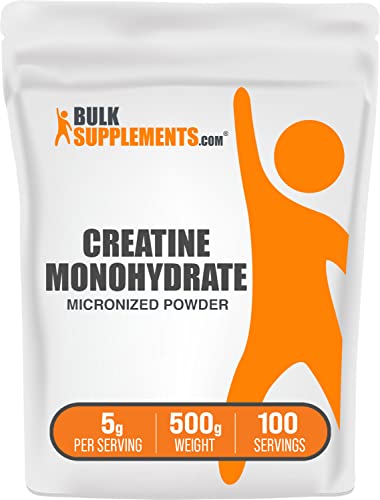
You may see “micronized” creatine monohydrate on labels. Micronized creatine has been processed into smaller particles for better solubility and potentially gentler digestion. It is still creatine monohydrate and works identically to the standard form, but many women over 60 find it easier on the stomach.
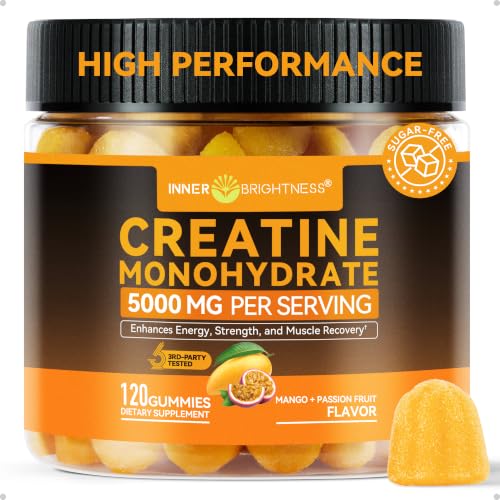
For a full comparison of your format options, see our article on creatine capsules vs creatine powder. If you prefer an even simpler format, we also reviewed the best creatine gummies for seniors.
Creatine Monohydrate Products Worth Considering
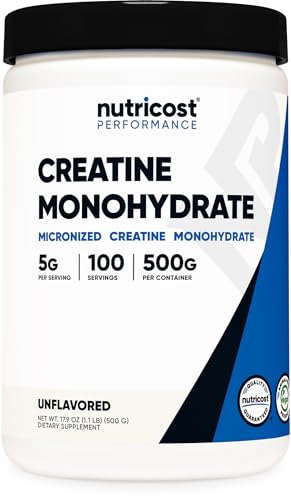
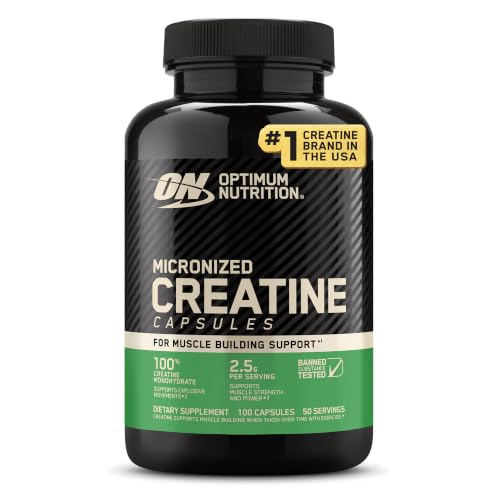
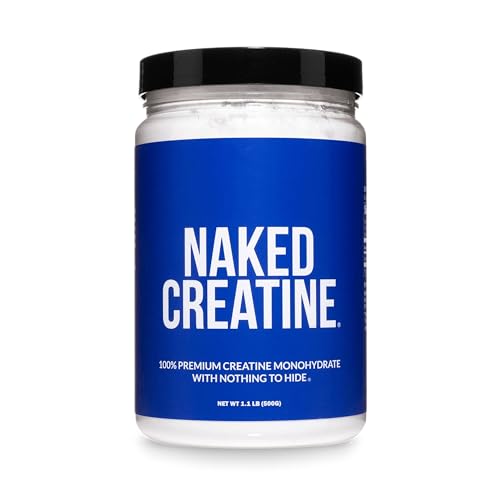
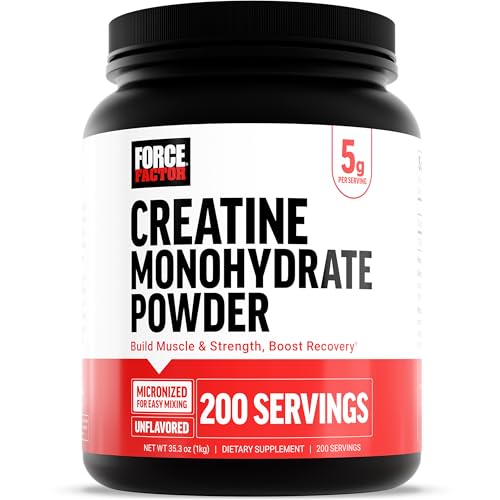
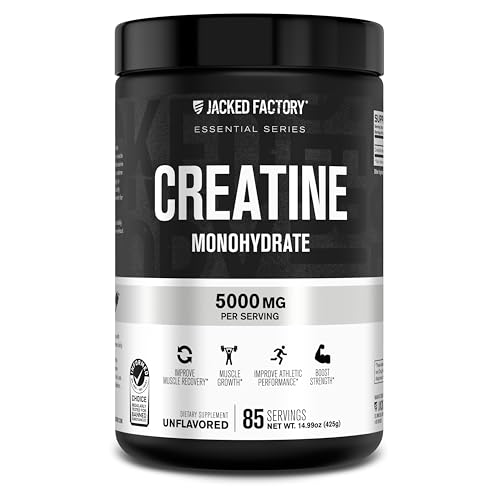
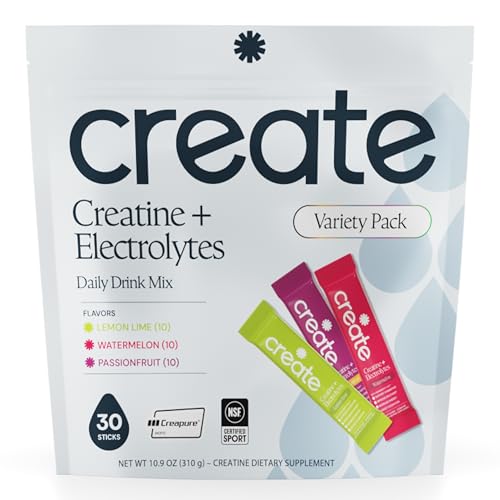
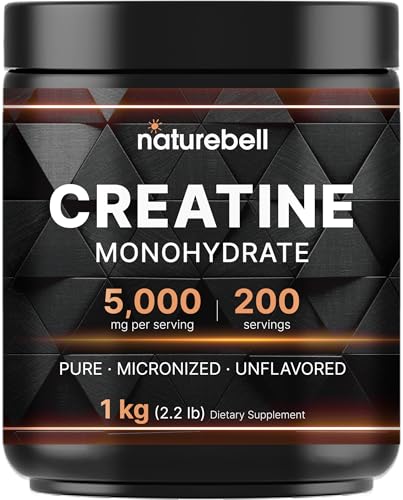
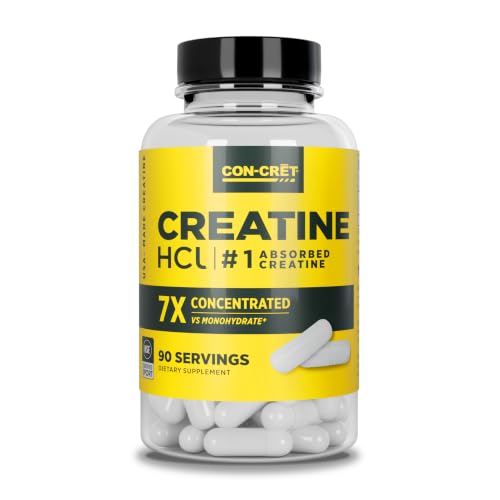
Here are some well-regarded creatine monohydrate options to look into. As always, choose a product that has been third-party tested for purity, since supplements are not regulated the same way medications are.
When shopping, look for labels that say “Creapure” (a German-manufactured creatine monohydrate with a well-established purity certification), third-party testing (NSF Certified for Sport or Informed Sport are the gold standards), and a clean ingredient list with no unnecessary fillers or artificial sweeteners.
Pairing Creatine With the Right Protein Intake
Creatine works best when your overall nutrition supports muscle maintenance. For women over 60, most research suggests aiming for 1.2 to 1.6 grams of protein per kilogram of body weight per day, significantly higher than standard recommendations, because older muscles are less efficient at using dietary protein.
Practical ways to hit those targets are easier than you might think. Our high-protein power breakfast recipes and guide to post-workout snacks with protein and carbs give you concrete meal ideas that complement your creatine routine.
If you are already focused on hitting your protein targets and adding resistance training to your week, creatine is the next logical complement to that foundation.
What to Expect in the First Few Weeks
Week one to two: You may notice a slight increase on the scale of one to two pounds. This reflects water being drawn into your muscle cells as your phosphocreatine stores fill up, not fat gain. Some women also notice a subtle improvement in energy during workouts even in this early window.
Weeks three to four: Muscle stores approach saturation and you begin to experience the more sustained benefits: better workout performance, faster recovery, and improved energy during strength training sessions.
Weeks six and beyond: The most meaningful changes in muscle strength and body composition become measurable in this window, particularly if you are pairing creatine with consistent resistance training two to four days per week. For a detailed timeline with what to expect month by month, see our article on how long creatine takes to work for muscle growth after 50. And if you are looking for the right exercises to pair with creatine, our list of 5 exercises to do every day for over 60 is a great starting point.
Frequently Asked Questions
What is the best creatine monohydrate dosage for a 60 year old woman?
The research-backed standard dose is 3 to 5 grams of creatine monohydrate per day. Most experts and clinical trials targeting postmenopausal women use 5 grams daily as the target dose. This can be taken with or without food, mixed into water, juice, or a protein shake, and does not require a loading phase for general health and wellness goals.
Do I need to do a loading phase?
No. A loading phase of 20 grams per day for five to seven days will saturate your muscles faster, but taking 3 to 5 grams daily produces the same result within three to four weeks. For women over 60, skipping the loading phase is often the gentler and more practical approach.
Will creatine make me look bulky or gain weight?
Creatine will not make you bulky. Women have significantly lower testosterone levels than men, which limits the muscle-building response. What creatine does is help you maintain and modestly build lean muscle, which creates a firmer, more toned appearance. Any initial weight increase is water in your muscles, not fat, and it typically stabilizes within two weeks. If you are concerned about this temporary water shift, our article on foods that reduce water retention and bloating has useful dietary context. If weight loss is a specific goal alongside creatine use, our article on taking creatine while trying to lose weight addresses that question directly.
Can I take creatine if I have osteoporosis?
Creatine may actually support bone health in postmenopausal women, particularly when combined with resistance training. However, osteoporosis is a medical condition and your doctor should be part of any supplementation decision. Creatine is not a substitute for medications prescribed to treat osteoporosis.
How long does it take for creatine to work?
Muscle creatine stores reach saturation in three to four weeks with a daily maintenance dose. Performance improvements in the gym can come sooner, often within two weeks, but the full benefits to strength, lean mass, and recovery build over several months of consistent use.
Is creatine safe to take every day?
Yes. Research has followed older adults using creatine daily for up to two years without safety concerns in healthy individuals. Consistency is actually important for keeping muscle stores saturated, so daily use is the recommended approach.
Should I take creatine on rest days?
Yes. Creatine works by keeping your muscles saturated with phosphocreatine, which requires daily supplementation regardless of whether you exercised that day. Think of it like a daily maintenance dose rather than a pre-workout product. Our article on taking creatine without working out explains the science behind this in plain language.
Does creatine interact with medications?
Creatine does not have well-documented interactions with most common medications, but this is an important question to raise with your physician, particularly if you take diuretics, blood pressure medications, or anything that affects kidney function.
The Bigger Picture: Why Now Is a Great Time to Start
I want to leave you with this thought. The research on creatine for women over 60 is no longer preliminary or speculative. It is robust, growing, and consistently positive. Muscle loss, bone density decline, cognitive changes, and cardiovascular risk are all areas where the evidence points to meaningful benefit from a supplement that is inexpensive, well-tolerated, and incredibly simple to use.
As we lose hormonal balance, muscle mass, and capillary density with age, creatine helps restore muscle mass and energy balance through a chemical process that builds energy into our systems. Combined with resistance training and adequate protein, creatine monohydrate is arguably the most well-supported supplement available for healthy active aging in women.
Five grams a day. Stir it into your morning routine. Give it a few weeks. The research says the effort is worth it.
Medical Disclaimer: Always consult with your physician or a qualified healthcare professional before adding any supplement to your routine. This article is for informational purposes only and does not constitute medical advice.
About the author

Claudia Faucher is a fitness and lifestyle blogger who shares practical tips for women over 50 on staying active, stylish, and confident. As the creator of FitFab50.com and Beyond59.com, she covers topics like workout gear, beauty trends, and wellness routines. Claudia is passionate about helping others live their best life at any age.
Last update on 2026-10-07 / Affiliate links / Images from Amazon Product Advertising API