
Can we talk about protein for a minute? I know, I know—it sounds a bit technical and maybe even boring. But honestly, understanding the difference between complete proteins vs incomplete proteins might be one of the most helpful things you do for your body this year.

Here’s something that caught my attention: according to the USDA Dietary Guidelines for Americans, roughly 50% of women over 71 don’t get enough protein in their diets. Fifty percent! That’s a lot of us potentially missing out on what our bodies need to stay strong and healthy.
Especially now that we’re over 50 and our bodies are playing by slightly different rules than they used to, getting the right kind of protein—and enough of it—really matters.
So grab a cup of tea (or coffee—no judgment here!) and let’s break this down together. By the end of this article, you’ll know exactly what makes a protein “complete” or “incomplete,” which foods give you the most bang for your buck, and how to easily get all the nutrients your muscles are craving.
First Things First: What Are Amino Acids?
Before we dive into complete proteins vs incomplete proteins, let’s talk about amino acids. Think of them as tiny building blocks—like Legos—that your body uses to build protein.
When you eat something with protein in it, your body breaks it down into these amino acids and then reassembles them to:
- Build and repair your muscles (so important as we age!)
- Make hormones and enzymes
- Support your immune system
- Transport nutrients where they need to go
- Help with wound healing
Here’s the thing: there are 20 different amino acids, and your body can actually make 11 of them on its own. Pretty impressive, right? But the other 9? Those have to come from the food you eat. These are called essential amino acids, and they are:
- Histidine – Supports tissue repair and immune function
- Isoleucine – Important for muscle metabolism and energy
- Leucine – The superstar for muscle protein synthesis
- Lysine – Essential for calcium absorption and collagen production
- Methionine – Supports metabolism and detoxification
- Phenylalanine – Precursor to important brain chemicals
- Threonine – Important for skin and connective tissue
- Tryptophan – Helps produce serotonin (hello, better mood!)
- Valine – Supports muscle growth and tissue repair
Don’t worry—you absolutely don’t need to memorize this list! What matters is understanding that you need all nine of them, and where you get them from makes a difference.
What Exactly Is a Complete Protein?
A complete protein is simply a food that contains all nine essential amino acids in the amounts your body can actually use. Easy peasy.
The Cleveland Clinic explains that complete proteins give your body everything it needs in one tidy package—no mixing and matching required. These are sometimes called “high biological value” proteins because your body can absorb and use them efficiently.
Complete Protein Sources: Your Master List
Most animal-based foods are naturally complete proteins:
Eggs
- Protein: 6 grams per large egg
- Why I love them: Affordable, versatile, and packed with choline for brain health
- Try them: Scrambled, poached, in omelets, or hard-boiled for snacks
Fish and Seafood
- Protein: 20-25 grams per 3.5-ounce serving
- Best choices: Salmon (omega-3 bonus!), tuna, cod, shrimp, sardines
- Bonus: Anti-inflammatory benefits for our joints

Poultry
- Protein: 25-30 grams per 3.5-ounce serving
- Best choices: Chicken breast, turkey breast, ground turkey
- Budget-friendly: Rotisserie chicken is a weeknight lifesaver
Dairy Products
- Greek yogurt: 15-20 grams per cup
- Cottage cheese: 14 grams per half cup
- Milk: 8 grams per cup
- Cheese: 7 grams per ounce
Red Meat (in moderation)
- Protein: 25-30 grams per 3.5-ounce serving
- Best choices: Lean beef, pork tenderloin, lamb
- Bonus: Rich in iron and B12
But here’s something that surprised me when I first learned it: several plant foods are complete proteins too!

Quinoa
- Protein: 8 grams per cooked cup
- Fun fact: It’s technically a seed, not a grain
- Great for: Salads, bowls, or as a rice substitute
Soy Products
- Tofu: 10 grams per 3.5-ounce serving
- Tempeh: 20 grams per 3.5-ounce serving
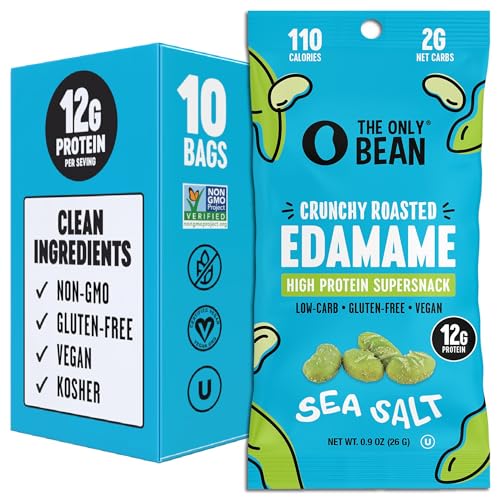
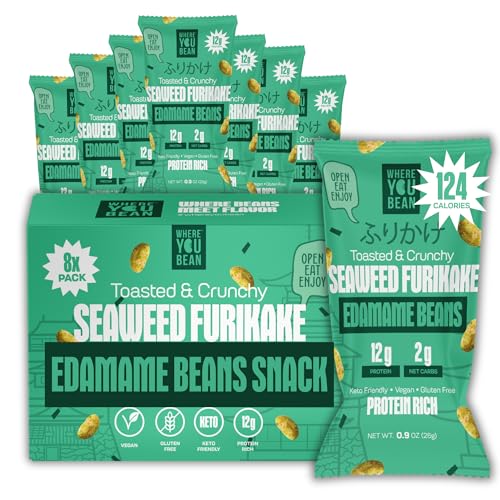
- Edamame: 17 grams per cup
- Miso: Great for soups and marinades
Other Plant-Based Complete Proteins
- Hemp seeds: 10 grams per 3 tablespoons
- Chia seeds: 5 grams per 2 tablespoons
- Buckwheat: 6 grams per cooked cup
- Ezekiel bread: 5 grams per slice
- Spirulina: 8 grams per 2 tablespoons

What About Incomplete Proteins?
An incomplete protein is missing one or more of those essential amino acids—or has them in amounts too small to be useful on their own.
Now, before you write off incomplete proteins, hear me out. According to WebMD, these foods are still incredibly valuable! They’re often packed with fiber, vitamins, minerals, and antioxidants that animal proteins just don’t have.
Think of incomplete proteins as team players. They might not have everything on their own, but when you combine them with the right partners, they become nutritional superstars.
Incomplete Protein Sources: Your Complete Guide
Legumes and Beans
- Black beans: 15 grams per cup
- Chickpeas: 15 grams per cup
- Lentils: 18 grams per cup
- Kidney beans: 15 grams per cup
- Pinto beans: 15 grams per cup
- What they’re missing: Methionine
- Great for: Soups, salads, tacos, and foods that reduce water retention and bloating
Nuts
- Almonds: 6 grams per ounce
- Cashews: 5 grams per ounce
- Walnuts: 4 grams per ounce
- Pecans: 3 grams per ounce
- Exception: Pistachios are actually complete!
- What they’re missing: Lysine

Seeds (most of them)
- Pumpkin seeds: 9 grams per ounce
- Sunflower seeds: 6 grams per ounce
- Flax seeds: 5 grams per 2 tablespoons
- Exceptions: Hemp and chia seeds are complete
Whole Grains
- Brown rice: 5 grams per cooked cup
- Oats: 6 grams per cooked cup
- Whole wheat bread: 4 grams per slice
- Barley: 4 grams per cooked cup
- What they’re missing: Lysine
Vegetables (yes, veggies have protein too!)
- Broccoli: 4 grams per cup
- Spinach: 5 grams per cooked cup
- Brussels sprouts: 4 grams per cup
- Asparagus: 3 grams per cup
Here’s an interesting tidbit: even collagen (which comes from animals) is technically an incomplete protein because it’s missing tryptophan. Who knew?

Complete Proteins vs Incomplete Proteins: Side-by-Side Comparison
Let me lay this out in a simple table so you can see the differences at a glance:
| Feature | Complete Proteins | Incomplete Proteins |
|---|---|---|
| Essential amino acids | All 9 in adequate amounts | Missing or low in 1 or more |
| Primary sources | Animal foods, soy, quinoa, hemp | Beans, grains, nuts, most seeds, veggies |
| Biological value | High (easily absorbed) | Lower (need combining) |
| Best for | Muscle building, quick nutrition | Fiber, antioxidants, variety |
| Need to combine? | No | Yes, but it’s easier than you think |
| Other benefits | Often high in B12, iron, zinc | Often high in fiber, phytonutrients |

The Magic of Combining Proteins (It’s Not Complicated, I Promise!)
Here’s where it gets fun. You can absolutely get all your essential amino acids from incomplete proteins—you just need to eat a variety of them. When two incomplete proteins fill in each other’s gaps, we call them complementary proteins.
And honestly? Many of these combinations are foods we already eat together because they just taste good!
Classic Protein Combinations That Work Beautifully
| Combination | Protein Content | Why It Works |
|---|---|---|
| Rice and beans | 12+ grams per cup | Beans lack methionine; rice lacks lysine. Together? Complete! |
| Hummus with pita bread | 10 grams per serving | Chickpeas + wheat = all essential amino acids |
| Peanut butter on whole wheat toast | 12 grams per serving | A childhood favorite that’s nutritionally brilliant |
| Lentil soup with crusty bread | 15+ grams per serving | Cozy, comforting, and complete |
| Oatmeal with pumpkin seeds and soy milk | 15 grams per serving | A powerhouse breakfast |
| Black beans with corn tortillas | 14 grams per serving | Traditional pairing with centuries of wisdom |
| Trail mix (nuts + seeds) | 8 grams per quarter cup | Perfect snack combination |
| Pasta with peas | 12 grams per serving | Grains + legumes = complete |

Do You Have to Eat These Together at Every Meal?
Here’s some really good news, friend. For years, experts told us we had to combine these proteins at every single meal. Turns out? That’s not necessary!
Your body is smarter than we gave it credit for. As long as you’re eating a nice variety of protein sources throughout your day, your body will pool those amino acids and use them as needed. So relax—you don’t have to stress over every bite.
That said, including a complete protein at most meals does make planning easier, especially for us gals over 50. If you need meal inspiration, check out our high protein breakfast recipes to start your day strong.
Why Protein Becomes Even More Important After 50
Okay, here’s where I want to get a little serious with you—in a loving, sisterly way.
After 50, our bodies don’t use protein as efficiently as they used to. Scientists call this anabolic resistance, which basically means our muscles need more protein to do the same job they did when we were younger. It’s not fair, I know. But knowledge is power, right?

According to the Administration for Community Living, researchers now recommend that older adults consume 1.0-1.2 grams of protein per kilogram of body weight—that’s higher than the standard recommendation for younger adults.
The American Heart Association reports that adults over 71 should be eating 5 to 6.5 ounces of protein per day, but the average person in this age group only gets about 4.5 ounces. We can do better!
The Leucine Factor: Your Muscle-Building MVP
Of all the amino acids, there’s one superstar for us: leucine. This little powerhouse activates the mTOR pathway, which signals your body to build muscle protein. Think of leucine as the key that unlocks your muscle-building potential.
Here’s the thing—research from the NIH shows that as we age, we may need higher amounts of leucine to overcome anabolic resistance. Our muscles become a bit “deaf” to the signal, so we need to turn up the volume.
High-Leucine Foods:
- Chicken breast: 2.5 grams per 3 oz
- Beef: 2.4 grams per 3 oz
- Tuna: 2.2 grams per 3 oz
- Firm tofu: 1.4 grams per 3.5 oz
- Eggs: 0.6 grams per egg
- Greek yogurt: 1.8 grams per cup
- Cottage cheese: 1.2 grams per half cup
Complete proteins—especially animal-based ones—tend to be rich in leucine. If you eat mostly plant-based foods, you can still get plenty of leucine from soy, quinoa, and smart protein combinations.
Protecting Your Muscles from Sarcopenia
Have you heard of sarcopenia? It’s the fancy term for age-related muscle loss, and it affects many of us after 50. According to Harvard Health, muscle mass and strength begin slowly deteriorating as people approach their 40s and decline more rapidly in the 60s.
The good news? Research confirms that eating enough protein—combined with staying active—is one of the best ways to slow it down. And the research from Cambridge University shows that combining protein intake with resistance exercise is especially effective.
If you’re looking to stay active and build strength, check out our guides on 5 exercises to do every day for over 60, low impact exercises for seniors, and 7 stretches you should do every day.
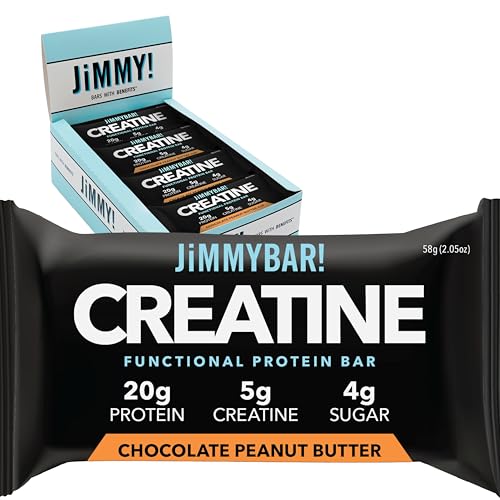
Curious about supplements that might help? Take a peek at our articles on creatine for age-related muscle loss and is creatine safe for seniors. Creatine isn’t just for bodybuilders—it can be a real game-changer for women our age too.
How Much Protein Do We Actually Need After 50?
The official Recommended Dietary Allowance (RDA) for protein is 0.8 grams per kilogram of body weight daily. But between you and me? Most nutrition experts—and the latest research—agree that’s the bare minimum, not the sweet spot for feeling our best.
Here’s what the current guidelines suggest for women over 50:
| Activity Level | Protein Goal | For a 150 lb (68 kg) Woman |
|---|---|---|
| Sedentary | 1.0 g/kg | 68 grams per day |
| Moderately active | 1.2 g/kg | 82 grams per day |
| Very active/building muscle | 1.2-1.6 g/kg | 82-109 grams per day |
| Recovering from illness | 1.2-1.5 g/kg | 82-102 grams per day |
Note: If you have kidney disease, check with your doctor—protein recommendations may be different for you.
Spread It Out, Sister!
Here’s a tip that made a real difference for me: don’t save all your protein for dinner. Research suggests that spreading your protein intake across all your meals helps your body use it more effectively.
Aim for about 25–40 grams at breakfast, lunch, and dinner. I know breakfast can be tricky (who wants to cook a steak at 7 AM?), but there are so many delicious options.
Quick Protein Wins for Each Meal:
| Meal | Easy Protein Additions |
|---|---|
| Breakfast | Greek yogurt, eggs, cottage cheese, protein smoothie |
| Lunch | Leftover chicken, canned tuna, chickpeas on salad, cheese |
| Dinner | Fish, lean meat, tofu, tempeh, lentils |
| Snacks | String cheese, nuts, edamame, hard-boiled eggs |
For more ideas, don’t miss 9 foods you should never eat in the morning (and what to eat instead!).

My Favorite Protein Sources for Women Over 50
Let me share the foods I personally reach for most often. These are high in protein, rich in other nutrients, and—most importantly—actually enjoyable to eat.
Top 10 Animal-Based Complete Proteins
| Food | Protein | Why It’s Great for Us |
|---|---|---|
| Eggs | 6g each | Affordable, versatile, rich in choline for brain health |
| Greek yogurt | 15-20g/cup | Probiotics for gut health, calcium for bones |
| Salmon | 25g/4 oz | Omega-3s for heart, brain, and joints |
| Chicken breast | 26g/4 oz | Lean, budget-friendly, easy to prep ahead |
| Cottage cheese | 14g/½ cup | Making a comeback! Great with fruit |
| Sardines | 23g/can | Calcium (from bones), omega-3s, affordable |
| Turkey breast | 26g/4 oz | Even leaner than chicken |
| Tuna | 25g/can | Quick lunch protein, shelf-stable |
| Shrimp | 24g/4 oz | Low calorie, high protein, cooks in minutes |
| Lean beef | 26g/4 oz | Iron, B12, zinc—all important for energy |

Top 10 Plant-Based Complete Proteins
| Food | Protein | Why It’s Great for Us |
|---|---|---|
| Tempeh | 20g/3.5 oz | Fermented = better digestion, nutty flavor |
| Edamame | 17g/cup | Fun to eat, easy snack, fiber bonus |
| Tofu (firm) | 10g/3.5 oz | Absorbs flavors beautifully, so versatile |
| Quinoa | 8g/cup | Make a batch on Sunday, use all week |
| Hemp seeds | 10g/3 Tbsp | Sprinkle on anything—yogurt, salads, smoothies |
| Ezekiel bread | 5g/slice | Sprouted grains + legumes = complete |
| Chia seeds | 5g/2 Tbsp | Fiber powerhouse, great in puddings |
| Buckwheat | 6g/cup | Perfect for gluten-free pancakes |
| Soy milk | 7g/cup | Easy swap for regular milk |
| Nutritional yeast | 8g/¼ cup | Cheesy flavor, B-vitamins, vegan favorite |

Complete 7-Day Protein Meal Plan
Sometimes we just need someone to tell us what to eat, right? Here’s a week of high-protein meal ideas to get you started:
Monday
- Breakfast: Greek yogurt parfait with berries and hemp seeds (22g)
- Lunch: Quinoa bowl with black beans, avocado, and salsa (18g)
- Dinner: Baked salmon with roasted broccoli (30g)
- Snack: String cheese and almonds (10g)
- Daily total: ~80g
Tuesday
- Breakfast: Veggie scramble with 2 eggs and cheese (18g)
- Lunch: Lentil soup with whole grain bread (20g)
- Dinner: Grilled chicken breast with sweet potato (30g)
- Snack: Cottage cheese with pineapple (14g)
- Daily total: ~82g
Wednesday
- Breakfast: Overnight oats with soy milk, chia seeds, and walnuts (15g)
- Lunch: Big salad with chickpeas, feta, and olive oil dressing (18g)
- Dinner: Tempeh stir-fry with brown rice and snap peas (25g)
- Snack: Hard-boiled eggs (12g)
- Daily total: ~70g
Thursday
- Breakfast: Protein smoothie with Greek yogurt, banana, and peanut butter (25g)
- Lunch: Turkey and avocado wrap (22g)
- Dinner: Lean beef tacos on corn tortillas with black beans (28g)
- Snack: Edamame (8g)
- Daily total: ~83g
Friday
- Breakfast: Cottage cheese with sliced peaches and granola (18g)
- Lunch: Tuna salad on whole grain crackers (22g)
- Dinner: Shrimp and vegetable stir-fry with quinoa (30g)
- Snack: Trail mix (8g)
- Daily total: ~78g
Saturday
- Breakfast: Tofu scramble with veggies and Ezekiel toast (20g)
- Lunch: Hummus wrap with lots of crunchy vegetables (15g)
- Dinner: Grilled chicken with pasta and peas (32g)
- Snack: Greek yogurt (15g)
- Daily total: ~82g
Sunday
- Breakfast: Omelet with spinach, mushrooms, and goat cheese (20g)
- Lunch: Leftover chicken on a big green salad (25g)
- Dinner: Baked cod with lemon, roasted potatoes, and asparagus (28g)
- Snack: Apple slices with almond butter (6g)
- Daily total: ~79g
For more meal planning inspiration, check out our bloating diet plan and what top strength athletes eat before a workout.

FAQs
What is the main difference between complete and incomplete proteins?
The main difference is in their amino acid content. Complete proteins contain all nine essential amino acids your body needs in adequate amounts. Incomplete proteins are missing one or more of these essential amino acids or have them in quantities too low to be useful on their own. Most animal foods are complete proteins, while most plant foods (except soy, quinoa, and a few others) are incomplete.
Is it necessary to combine incomplete proteins at every meal?
No! This is an outdated belief. Your body can pool amino acids from different foods eaten throughout the day. As long as you eat a variety of protein sources over a 24-hour period, you’ll get all the essential amino acids you need. That said, combining proteins within meals (like rice and beans) does ensure you’re getting complete protein at that meal, which can be helpful for muscle building.
What are the best complete protein sources for vegetarians and vegans?
The best plant-based complete proteins include:
- Soy products (tofu, tempeh, edamame, miso)
- Quinoa
- Hemp seeds
- Chia seeds
- Buckwheat
- Ezekiel bread (made from sprouted grains and legumes)
Vegetarians can also rely on eggs and dairy products, which are excellent complete proteins.
How much protein do women over 50 need daily?
Current research suggests women over 50 need 1.0–1.2 grams of protein per kilogram of body weight daily for optimal health and muscle maintenance. That’s higher than the standard RDA of 0.8 grams. For a 150-pound woman, this means about 68–82 grams of protein per day. Active women or those working to build muscle may need even more (up to 1.6 g/kg).
Is quinoa a complete protein?
Yes! Quinoa is one of the few plant foods that contains all nine essential amino acids in adequate amounts. One cup of cooked quinoa provides about 8 grams of complete protein. It’s also gluten-free and rich in fiber, iron, and magnesium, making it an excellent choice for women over 50.
Can you get enough protein on a plant-based diet after 50?
Absolutely! With thoughtful planning, a plant-based diet can provide all the protein you need. Focus on:
- Including soy products regularly (tofu, tempeh, edamame)
- Eating a variety of legumes, grains, nuts, and seeds daily
- Combining complementary proteins (like beans with rice)
- Considering a protein powder supplement if needed
The key is variety. Healthline notes that eating an assortment of plant proteins throughout the day ensures you get all essential amino acids.
What is leucine and why is it important for older adults?
Leucine is one of the nine essential amino acids, and it’s especially important for older adults because it directly triggers muscle protein synthesis—the process of building new muscle. As we age, our muscles become less responsive to leucine (called “anabolic resistance”), so we may need higher amounts to achieve the same muscle-building effect. Foods highest in leucine include chicken, beef, fish, eggs, dairy, and soy products.
Common Myths About Complete vs Incomplete Proteins—Busted!
I hear a lot of confusion about protein, so let me clear up a few things:
Myth #1: Plant proteins are inferior to animal proteins
The truth: While most plant proteins are incomplete on their own, a varied diet easily gives you everything you need. Plus, plants offer fiber, antioxidants, and phytonutrients that meat doesn’t provide. Research even suggests that older adults who get more of their protein from plant sources may be less likely to develop sarcopenia.
Myth #2: You must combine proteins at every meal
The truth: Nope! As long as you’re eating a variety of protein sources throughout the day, your body handles the combining for you. Stop stressing over every bite, friend.
Myth #3: More protein is always better
The truth: There is such a thing as too much. Extremely high protein intake isn’t necessary for most people and may be a concern for those with kidney issues. Focus on enough, distributed well throughout the day, rather than going overboard.
Myth #4: Vegetarians and vegans can’t get complete proteins
The truth: Quinoa, soy, hemp seeds, chia seeds, buckwheat, and Ezekiel bread are all plant-based complete proteins. And combining beans with rice or grains? Also complete. It’s very doable!
Myth #5: Collagen supplements are complete proteins
The truth: Collagen is actually an incomplete protein—it’s missing tryptophan and low in several other amino acids. While collagen has benefits for skin and joints, don’t rely on it as your main protein source.
Myth #6: You can’t build muscle on a plant-based diet
The truth: With adequate protein intake (focusing on leucine-rich sources) and resistance training, you absolutely can build and maintain muscle on a plant-based diet. It just requires a bit more planning.
Tips for Maximizing Your Protein Absorption
It’s not just about what you eat—it’s about how well your body uses it. Here are some tips to get the most from your protein:
- Spread protein throughout the day – 25-40 grams per meal is the sweet spot for muscle protein synthesis
- Pair protein with vitamin C – It helps with iron absorption from plant proteins (think lemon on your lentils!)
- Stay hydrated – Water is essential for protein metabolism
- Include digestive enzymes – Foods like pineapple and papaya can aid digestion
- Cook your legumes well – It makes the protein more digestible and reduces anti-nutrients
- Combine exercise with protein intake – Having protein within 2 hours of exercise optimizes muscle building
- Don’t forget fiber – But space it out from high-protein meals if you have digestive issues
For more tips on supporting your digestive system, check out our article on foods that reduce anxiety fast—gut health and mental health are connected!

Quick Reference: Your Protein Cheat Sheet
Here’s a printable reference to keep on your fridge:
Complete Proteins (All 9 Essential Amino Acids)
✓ Eggs ✓ Fish & seafood ✓ Poultry ✓ Meat ✓ Dairy (yogurt, cheese, milk) ✓ Quinoa ✓ Soy (tofu, tempeh, edamame) ✓ Hemp seeds ✓ Chia seeds ✓ Buckwheat
Incomplete Proteins (Need Combining)
• Beans & lentils (combine with grains) • Rice & grains (combine with legumes) • Nuts (combine with legumes or dairy) • Most seeds (combine with legumes) • Vegetables (eat with other proteins)
Easy Combos That Make Complete Proteins
🥜 + 🍞 Peanut butter + whole grain bread 🫘 + 🍚 Beans + rice 🥙 + 🧆 Hummus + pita 🥣 + 🥛 Oatmeal + soy milk 🌽 + 🫘 Corn tortillas + black beans
Daily Goals for Women 50+
- Minimum: 1.0 g protein per kg body weight
- Optimal: 1.2 g protein per kg body weight
- Per meal: 25-40 grams
- Focus on: Leucine-rich sources for muscle building
Putting It All Together
Understanding complete proteins vs incomplete proteins doesn’t have to be complicated. Here’s the bottom line:
- Complete proteins have all nine essential amino acids. Most animal foods plus soy, quinoa, hemp seeds, and a few others fit the bill.
- Incomplete proteins are missing one or more, but they’re still nutritious and valuable.
- You can combine incomplete proteins throughout the day to get everything you need—no stress about pairing at every meal.
- After 50, we need more protein than we used to, and spreading it across meals helps our bodies use it best.
- Leucine is key for muscle building—focus on leucine-rich sources like eggs, dairy, meat, fish, and soy.
The most important thing? Don’t overthink it. Eat a variety of protein-rich foods you actually enjoy, stay active with activities you love, and trust your body to do its job.
Speaking of staying active, if you’re looking for ways to move your body that feel good at this stage of life, check out our articles on 11 best yoga poses for over 50, benefits of group fitness classes for older adults, and how to safely return to exercise after a long hiatus.
You’ve got this, beautiful. Here’s to strong muscles, steady energy, and feeling absolutely fabulous after 50!
This article is for informational purposes only and isn’t a substitute for professional medical or nutritional advice. Always check with your healthcare provider before making significant changes to your diet, especially if you have kidney disease or other health conditions.
About the author

Claudia Faucher is a fitness and lifestyle blogger who shares practical tips for women over 50 on staying active, stylish, and confident. As the creator of FitFab50.com and Beyond59.com, she covers topics like workout gear, beauty trends, and wellness routines. Claudia is passionate about helping others live their best life at any age.
Last update on 2026-04-03 / Affiliate links / Images from Amazon Product Advertising API