If you are over 50 and still dealing with breakouts, you are not imagining things. Hormonal shifts during perimenopause and menopause can trigger adult acne at the same time your skin is getting drier, thinner, and more sensitive than ever before.
And here is the frustrating part. Most acne products are designed for oily teenage skin, which means they strip away moisture your mature skin desperately needs. The good news? Finding the best hydrating face cream for acne prone skin does not have to be a guessing game when you know what to look for.
I have spent weeks researching formulas, reading clinical studies, and testing products to find creams that hydrate without clogging pores. Every pick on this list is non-comedogenic, fragrance-free or lightly fragranced, and packed with ingredients that support aging skin while keeping breakouts at bay.
Quick Links
Why Acne Happens After 50 (And Why You Still Need Moisture)
Let me clear something up right away. Skipping moisturizer because you are breaking out is one of the worst things you can do for your skin after 50.
When your skin is dehydrated, it overproduces oil to compensate. That excess sebum mixes with dead skin cells and clogs your pores, creating the exact breakouts you were trying to avoid. It is a vicious cycle, and the only way to break it is with the right kind of hydration.
After menopause, your skin produces significantly less collagen and natural oils. Your skin barrier weakens, making you more vulnerable to irritation, redness, and yes, acne. A lightweight, non-comedogenic moisturizer helps restore that barrier while keeping pores clear.
What to Look for in a Hydrating Face Cream for Acne Prone Skin
Before we get to the product picks, let me walk you through the ingredients that matter most for our skin type. Knowing what to look for on a label will serve you well beyond this article.

Hyaluronic Acid is a moisture magnet that holds up to 1,000 times its weight in water. It plumps fine lines while hydrating deeply without adding oil or heaviness. This is your go-to humectant for mature, acne-prone skin.
Niacinamide (Vitamin B3) is a true multitasker. It reduces inflammation, minimizes pore appearance, controls oil production, and helps fade post-acne dark spots. Research shows it is also effective at strengthening the skin barrier, which is especially important as we age.
Ceramides are lipids that naturally exist in your skin barrier. As we age, we lose ceramides, leading to dryness and sensitivity. Replenishing them with your moisturizer helps repair skin and protect without triggering breakouts.
Peptides support collagen production and improve skin firmness. They work beautifully alongside acne-friendly hydrating ingredients without causing congestion.
What to avoid: Stay away from heavy mineral oils, coconut oil, cocoa butter, and anything with added fragrance. These are common pore-cloggers that can make adult acne worse. Always look for the words “non-comedogenic” and “oil-free” on the label.
7 Best Hydrating Face Creams for Acne Prone Skin Over 50
1. CeraVe PM Facial Moisturizing Lotion
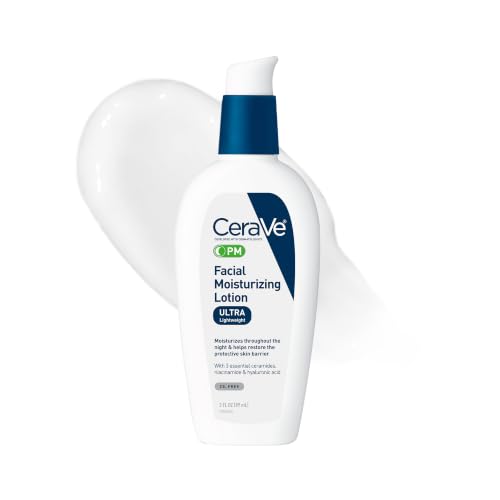
This lightweight, oil-free lotion is one of the most dermatologist-recommended moisturizers for acne-prone skin, and for good reason. It combines niacinamide with three essential ceramides and hyaluronic acid to repair your skin barrier while you sleep.
The formula absorbs quickly without leaving a greasy residue. It is fragrance-free, non-comedogenic, and gentle enough for even the most sensitive mature skin. Many women over 50 find it strikes the perfect balance between hydration and lightweight texture.
Best for: Budget-conscious women who want proven, dermatologist-backed ingredients in a no-fuss formula.
2. Neutrogena Hydro Boost Water Gel
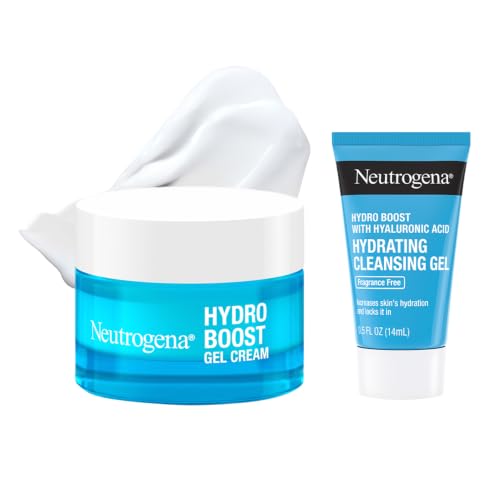
If your skin craves moisture but you cannot stand the feel of heavy cream, this gel formula is your answer. It delivers intense hydration through hyaluronic acid in a refreshing, water-based texture that feels weightless on the skin.
The oil-free, non-comedogenic formula works well under sunscreen and makeup, making it ideal for daytime use. It absorbs in seconds and leaves skin feeling plump and dewy without any shine or congestion.
Best for: Women who prefer a gel texture and want serious hydration without any heaviness.
3. La Roche-Posay Toleriane Double Repair Face Moisturizer

This ceramide-rich moisturizer was developed with dermatologists specifically for sensitive, compromised skin. It features prebiotic thermal water, ceramide-3, and niacinamide to soothe irritation while restoring your skin’s protective barrier.
It provides up to 48 hours of hydration in a lightweight texture that never feels heavy or greasy. The formula is oil-free, fragrance-free, and has been allergy-tested on sensitive skin types, making it a smart choice for mature acne-prone skin.
Best for: Women with sensitive, reactive skin who need gentle yet effective hydration.
4. Paula’s Choice Clear Oil-Free Moisturizer

Paula’s Choice has long been a trusted name in acne care, and this moisturizer lives up to the reputation. The oil-free formula hydrates with ceramides, hyaluronic acid, and antioxidants while actively working to keep pores clear.
What I love about this one is that it pairs beautifully with other acne treatments like retinol or benzoyl peroxide without causing extra dryness or irritation. It is lightweight enough for daytime and nourishing enough for nighttime use.
Best for: Women who use other active acne treatments and need a moisturizer that plays well with the rest of their routine.
5. EltaMD PM Therapy Facial Moisturizer
This one is a favorite among dermatologists for good reason. The fragrance-free, oil-free formula combines niacinamide with glycerin and ceramides for overnight skin barrier repair. It is designed to calm irritation and redness while providing deep hydration.
The texture is rich enough to feel nourishing but light enough to avoid clogging pores. If you tend to get redness alongside your breakouts, this formula can help address both concerns simultaneously.
Best for: Women dealing with both acne and redness or rosacea-like symptoms.
6. Tatcha The Water Cream
If you are looking for a little luxury in your skincare routine, this oil-free water cream delivers. It features a proprietary antioxidant complex along with Japanese wild rose to tighten pores and balance oil production. The texture is supremely lightweight and absorbs almost instantly.
The formula is non-comedogenic, dermatologist-tested, and free of mineral oil and synthetic fragrances. It gives skin a refined, poreless appearance while providing lasting hydration that does not trigger breakouts.
Best for: Women who want a premium, spa-like experience with real anti-aging and pore-refining benefits.
7. Skinfix Barrier+ Triple Lipid-Peptide Face Cream
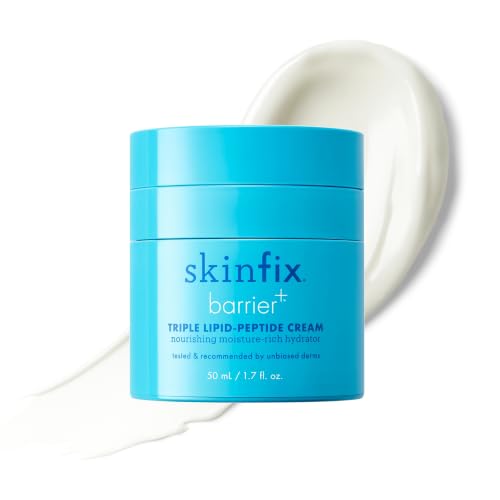
This cream was specifically designed to repair compromised skin barriers using a triple-lipid blend that replenishes ceramides and fatty acids without oil. It reduces redness, minimizes pore appearance, and delivers lasting hydration.
Dermatologists praise its featherlight texture that absorbs quickly without leaving residue. The peptide complex also supports collagen production, giving mature skin a firmer, more resilient feel over time.
Best for: Women with a weakened skin barrier who need intensive repair alongside acne-safe hydration.
How to Build a Simple Skincare Routine for Acne-Prone Skin Over 50
You do not need a 10-step routine to get clear, hydrated skin. In fact, simpler is almost always better for mature acne-prone skin. Here is the basic framework I recommend.
Morning: Start with a gentle, non-foaming cleanser. Follow with a vitamin C serum if your skin tolerates it. Apply your hydrating face cream, then finish with a broad-spectrum SPF 30 or higher sunscreen. If you need help choosing the right sun protection, check out my guide to the best tinted moisturizer with SPF for mature skin.
Evening: Cleanse again to remove sunscreen and makeup. If you use a retinol product, apply it to dry skin and wait a few minutes. Then apply your hydrating face cream as the final step to seal in moisture overnight.
Weekly: Gentle exfoliation one to two times per week helps clear dead skin cells that contribute to clogged pores. Avoid harsh physical scrubs and opt for a mild chemical exfoliant with lactic acid or PHA instead.
The key is consistency. Give any new product at least six to eight weeks before judging whether it works for your skin. And if your acne is severe or painful, do not hesitate to see a dermatologist. There is no shame in getting professional help.
Ingredients to Avoid If You Have Acne-Prone Skin
Even the most well-intentioned skincare choices can backfire if you are using products with pore-clogging ingredients. Here are the biggest offenders to watch for on ingredient labels.
Coconut Oil and Cocoa Butter are extremely comedogenic and will almost certainly make acne worse, despite their popularity in natural skincare circles. Shea butter in small amounts is generally safer but can still be problematic for very acne-prone skin.
Isopropyl Myristate and Isopropyl Palmitate are emollients commonly found in moisturizers and foundations. They have a high comedogenic rating and are frequent culprits in mystery breakouts.
Artificial Fragrance does not directly cause acne, but it triggers inflammation and irritation that can worsen existing breakouts. Fragrance-free formulas are always the safer choice for sensitive, acne-prone skin. For more on protecting sensitive facial skin, you may find my article on best face wash for men with sensitive skin helpful, as many of those ingredient tips apply to all skin types.
FAQ
Can you use anti-aging products and acne treatments at the same time?
Yes, but you need to introduce them carefully. Retinol is the gold standard for both anti-aging and acne treatment, but it can cause dryness and irritation when combined with other active ingredients. Start with retinol two to three nights per week and always follow with a non-comedogenic moisturizer. If you are using benzoyl peroxide, apply it in the morning and retinol at night to avoid over-drying your skin.
Is a gel moisturizer or cream moisturizer better for acne-prone skin over 50?
It depends on your skin type. If your skin tends toward oily, a gel moisturizer like Neutrogena Hydro Boost will feel more comfortable and less likely to congest pores. If your skin is dry or combination, a lightweight cream with ceramides and hyaluronic acid provides the deeper hydration mature skin needs without clogging pores. Many women over 50 do well with a gel in summer and a cream in winter.
How do I know if my moisturizer is causing breakouts?
If you notice new breakouts appearing in areas where you apply moisturizer (especially along the jawline, cheeks, or forehead), your product may be comedogenic. Stop using it for two weeks and see if the breakouts clear. When introducing a new moisturizer, test it on a small area of your face for one week before applying it everywhere. This patch-testing approach can save you weeks of frustration.
Does drinking more water help with acne-prone skin?
Staying hydrated supports overall skin health, but drinking water alone will not clear acne or replace the need for topical hydration. Your skin’s moisture barrier needs lipids and humectants applied directly to function properly. Think of water as the foundation and your moisturizer as the roof. You need both.
Why does my skin break out more during menopause?
During menopause, estrogen levels decline while androgens (male hormones) remain relatively stable. This hormonal imbalance can increase oil production in certain areas of the face, particularly along the jawline and chin. At the same time, your skin barrier weakens and cell turnover slows down, creating the perfect conditions for clogged pores. A consistent routine with the right non-comedogenic products can help manage these hormonal breakouts effectively.
Should I see a dermatologist for acne after 50?
If over-the-counter products are not managing your breakouts after eight to twelve weeks, yes. A dermatologist can determine whether your acne is hormonal, bacterial, or related to another skin condition like rosacea (which is often mistaken for acne in women over 50). They can prescribe targeted treatments like topical retinoids, spironolactone, or low-dose antibiotics that work more effectively than drugstore products alone. For more on addressing skin concerns related to sun exposure and aging, see my guide to the best products for sun damaged skin on face.
Final Thoughts
Finding the best hydrating face cream for acne prone skin when you are over 50 is about balance. You need enough moisture to support your aging skin barrier without so much richness that your pores get clogged.
Every product on this list delivers that balance with proven, dermatologist-backed ingredients. Whether you choose the budget-friendly CeraVe PM or treat yourself to the luxurious Tatcha Water Cream, the most important thing is that you moisturize consistently and stick with non-comedogenic formulas.
Your skin at 50 and beyond deserves both clarity and comfort. You absolutely can have both.
About the author

Claudia Faucher is a fitness and lifestyle blogger who shares practical tips for women over 50 on staying active, stylish, and confident. As the creator of FitFab50.com and Beyond59.com, she covers topics like workout gear, beauty trends, and wellness routines. Claudia is passionate about helping others live their best life at any age.
Last update on 2026-10-22 / Affiliate links / Images from Amazon Product Advertising API