
Let me be honest with you right from the start, friend. If you landed here hoping creatine is a magic fix for ADHD after 50, I owe you the truth instead of a sales pitch.
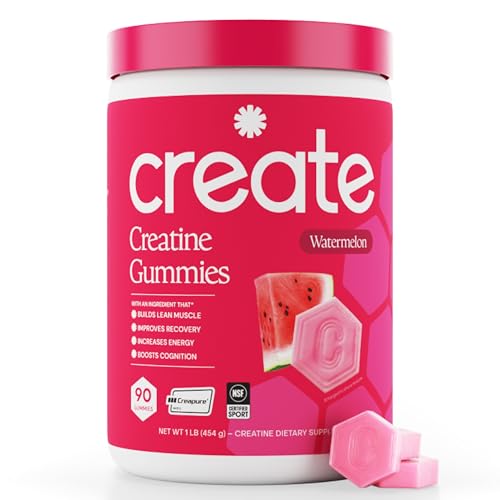
The best creatine for ADHD over 50 is plain, third-party tested creatine monohydrate, and the reason I can say that with a clear conscience is that monohydrate is the only form with real cognitive research behind it. What creatine is not, and what I will never pretend it is, is a treatment for ADHD.
So here is the deal I want to make with you. I will walk you through what the science actually shows, who tends to benefit, what to look for on a label, and a few clean products I would feel comfortable handing to my own sister. In return, you promise me you will loop in your doctor before you start. Deal?
Medical disclaimer: This content is for educational and informational purposes only and is not intended as medical advice, diagnosis, or treatment. Always consult your physician or a qualified healthcare provider before starting any new supplement, especially if you have a health condition or take prescription medication, including ADHD medication. Never disregard professional medical advice or delay treatment because of something you read here.
Quick Answer
Creatine monohydrate is not an ADHD treatment, and no supplement replaces a proper diagnosis and care plan. Emerging research suggests creatine may support brain energy, memory, processing speed, and mental fatigue, with effects that appear more noticeable in women, in adults with existing health conditions, and during periods of stress or poor sleep.

For most women over 50, a clean creatine monohydrate at 3 to 5 grams per day is the sensible starting point. Think of it as support for the brain energy your medication and habits are already working on, not a substitute for any of it.
What The Research Actually Says (No Overpromising)
Here is where I plant my flag. There is currently no direct clinical evidence that creatine improves the core symptoms of ADHD. None of the headlines change that, and I would rather you hear it from me than from a label.

What we do have is a plausible mechanism. Your brain is an energy hog, burning roughly 20 percent of your resting energy despite being a small fraction of your body weight. Creatine helps recycle ATP, the cellular fuel your neurons rely on to fire, focus, and hold a thought in place.
A 2024 systematic review and meta-analysis of 16 randomized controlled trials found that creatine produced meaningful improvements in memory and processing speed across hundreds of participants. The benefits showed up more clearly in people with existing health conditions and, notably for our crowd, in women.
There is also a striking sleep-deprivation study where creatine helped blunt the cognitive nosedive that comes from being badly under-rested. That matters, because so many of us over 50 are running on thin sleep, and mental fatigue can mimic or magnify attention struggles.
So the honest summary is this. Creatine is a promising, well-tolerated support for brain energy and cognition, especially under load, but it is an adjunct and not a therapy. ADHD-specific trials simply have not been done yet.
If you want the deeper dive on the brain side of things, I cover it in my complete guide to creatine for strength, energy, and brain health.
Why The Over-50 Woman With ADHD Is A Special Case
This is the part nobody talks about, and it is exactly why I wanted to write this for you. ADHD does not vanish at midlife, and for many women it actually gets louder right when estrogen starts to drop.
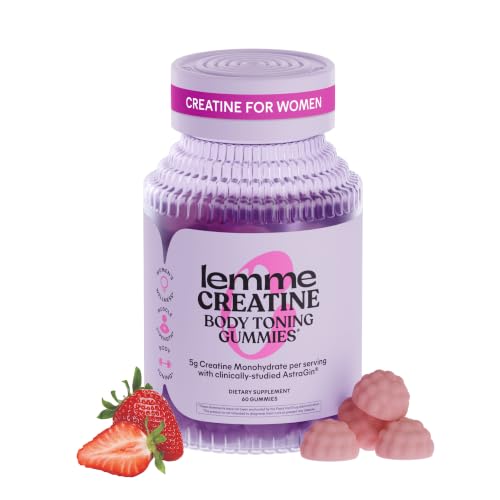
Estrogen helps regulate dopamine, the very neurotransmitter ADHD already taxes. So perimenopause and menopause can crank up the brain fog, the lost-keys moments, and the afternoon mental wall, layering hormonal changes on top of lifelong attention patterns.
Add in the thinner sleep, the busier-than-ever schedules, and the natural dip in our own creatine stores as we age, and you can see why a brain-energy support has genuine appeal here. It is not about chasing a six-pack. It is about feeling clear enough to finish a sentence and a task.
That overlap is why I think women over 50 are among the most reasonable people to consider creatine for cognitive support, as long as the expectations stay grounded. For the women-specific angle, my guide to the best creatine for females over 50 goes deeper on dosing and hormones.
What To Look For In A Creatine (My Simple Checklist)
You do not need a fancy blend, and you should be suspicious of anything that promises focus on the front of the jar. Here is what I actually look for.
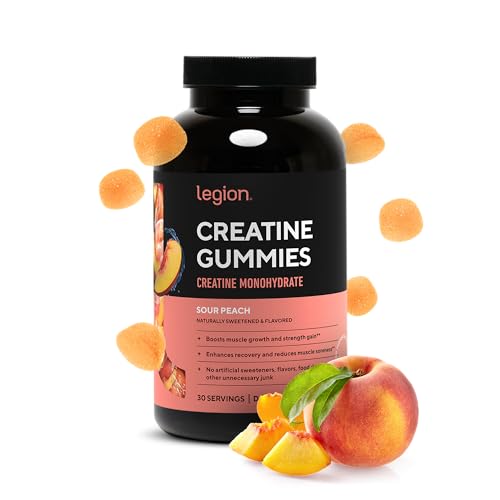
Choose creatine monohydrate, full stop. It is the most studied form by a mile, and the only one with the cognitive research we just discussed.
Look for third-party testing, ideally NSF Certified for Sport or Informed Sport. That seal means an independent lab checked that what is on the label is what is in the tub, which matters more as we age and take other medications.
Pick micronized powder for easier mixing and a gentler stomach. And skip the proprietary blends, the added stimulants, and the marketing words like advanced or HCl, because they cost more and do not beat plain monohydrate for the brain.
My Picks: Clean Creatine I Trust For Women Over 50
A quick reminder before we shop. These are products I would recommend for general cognitive and strength support, not because they treat ADHD. Run your final choice past your doctor or pharmacist, especially if you take stimulant medication.
1. Thorne Creatine (My Top Pick)

This is the one I reach for first. It is plain micronized creatine monohydrate, NSF Certified for Sport, unflavored, and labeled for both muscle and cognitive support.
The texture mixes cleanly into water, juice, or a morning protein shake without a gritty mess. If you want one no-fuss tub that ticks every box on my checklist, start here.
2. Klean Athlete Creatine
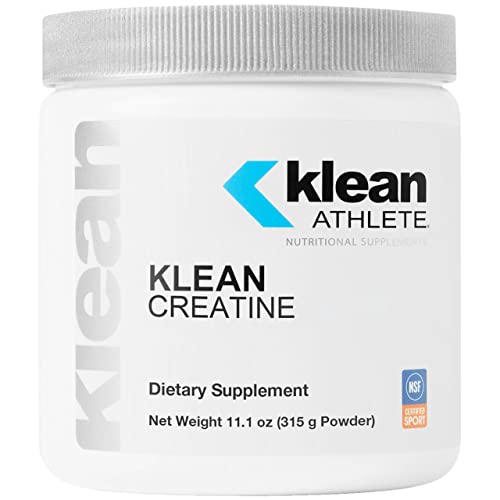
Another beautifully clean, NSF Certified for Sport option from a brand built around tested ingredients. It is straightforward monohydrate with nothing extra hiding in the scoop.
If Thorne is ever out of stock, this is my no-hesitation backup.
3. Momentous Creatine
A premium, independently tested monohydrate that has earned a loyal following among careful supplement shoppers. The single-ingredient formula keeps things honest.
It costs a touch more, but you are paying for purity and rigorous testing, which is exactly where I am happy to spend.
4. Optimum Nutrition Micronized Creatine Powder
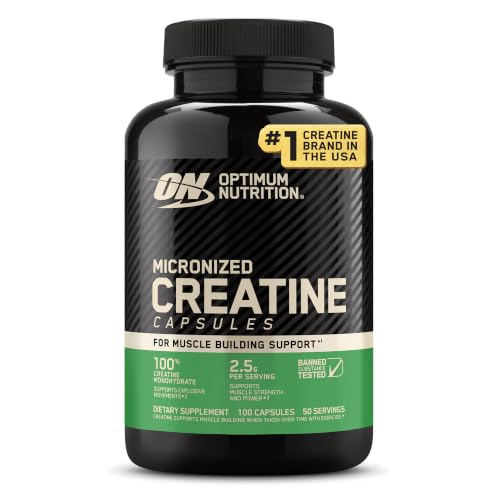
The dependable workhorse. It is widely available, micronized, easy on the budget, and trusted by millions, which makes it a low-risk way to test how your body responds.
A solid choice if you want to try creatine without a big commitment.
5. Nutricost Creatine Monohydrate Micronized
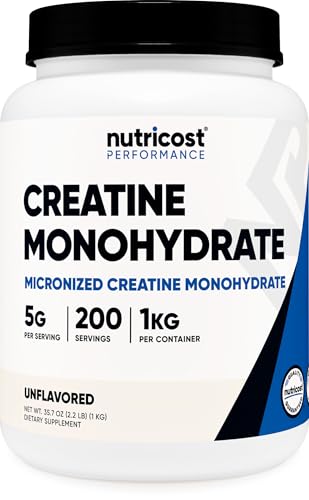
My favorite value pick, and a longtime FitFab50 reader favorite. It is pure, unflavored, micronized monohydrate with no fillers and a price that makes daily consistency painless.
If cost is what has kept you on the fence, this removes the excuse.
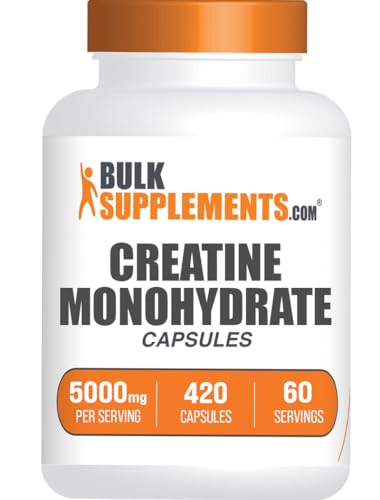
6. Creatine Monohydrate Capsules (For The Powder-Averse)
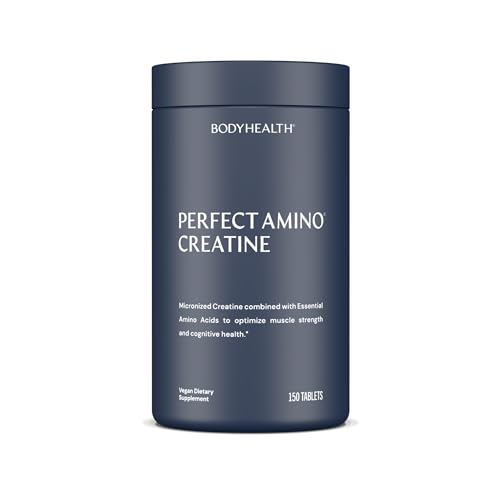
If a scoop of powder is what stops you from staying consistent, capsules solve that overnight. You give up a little flexibility on dosing, but you gain a routine you will actually keep.
Consistency beats perfection every single time, so the best creatine is the one you remember to take.
How To Take Creatine For Brain Support
Keep it gloriously simple. Take 3 to 5 grams of creatine monohydrate once a day, every day, and give it four to six weeks to build up in your system.
You do not need a loading phase, and you do not need to fuss over timing. The research is clear that consistent daily intake matters far more than whether you take it morning or night.
Mix it into water, juice, or your protein shake, and drink plenty of fluids since creatine pulls a little water into your cells. If you want the full breakdown, I cover this in my guide to the best creatine timing for older adults, and there are smart pairing tips in what to mix creatine with for best results.
Is It Safe? Let’s Talk Honestly
Creatine monohydrate is one of the most studied supplements on the planet, with decades of safety data in adults, including older adults. The persistent worry about kidney damage is not supported by evidence in healthy people.
That said, a few common-sense cautions apply, especially for our age group. If you have existing kidney disease, talk to your doctor first, and the same goes if you take prescription medications, including ADHD stimulants.
Mild stomach upset or a little early water retention are the most common gripes, and both usually settle quickly. I dig into the details in my piece on whether creatine is safe for seniors.
Frequently Asked Questions
Does creatine help with ADHD symptoms?
There is no direct clinical evidence that creatine improves core ADHD symptoms. It may support brain energy and general cognition, but it is best viewed as a complementary support rather than a treatment, and it does not replace professional ADHD care.
What is the best creatine for ADHD over 50?
For cognitive support, a clean creatine monohydrate that is third-party tested is the best choice, such as an NSF Certified for Sport option. Monohydrate is the only form with meaningful cognitive research behind it, so skip the fancy blends.
Can creatine replace my ADHD medication?
No. Creatine is not a substitute for stimulant medication, therapy, or any plan you and your doctor have built. Never stop or change a prescription based on a supplement, and always coordinate new supplements with your prescriber.
How long until I notice anything?
Creatine builds up gradually, so most people give it four to six weeks of daily use before judging the effect. Any cognitive support tends to be subtle and most noticeable during stress, mental fatigue, or poor sleep rather than dramatic.
Is creatine better for women over 50 than men?
Women may actually see clearer cognitive and bone benefits, and some research suggests the effects are more pronounced in women. Declining estrogen around menopause is one reason the timing can feel especially relevant for women over 50.
What dose should a woman over 50 take?
A daily dose of 3 to 5 grams of creatine monohydrate is the standard, and no loading phase is needed. Starting at 3 grams for the first week can ease any digestive adjustment before settling into 5 grams.
The Bottom Line
If you take one thing from our chat, let it be this. Creatine will not treat your ADHD, but a clean creatine monohydrate may give your tired, hardworking brain a little more energy to draw on, and for a woman over 50 that can be a meaningful, low-risk addition.
Pair it with the things that truly move the needle, which are your medication if you take it, good sleep, movement, protein, and the support of a doctor who knows you. My honest top pick remains Thorne Creatine for its purity and testing, with Nutricost as the budget-friendly choice that makes staying consistent easy.
Whatever you choose, you deserve to feel clear and capable. Start small, stay consistent, and check in with your doctor, and let me know how it goes.
About the author

Claudia Faucher is a fitness and lifestyle blogger who shares practical tips for women over 50 on staying active, stylish, and confident. As the creator of FitFab50.com and Beyond59.com, she covers topics like workout gear, beauty trends, and wellness routines. Claudia is passionate about helping others live their best life at any age.
Last update on 2026-10-22 / Affiliate links / Images from Amazon Product Advertising API