
If you have been lying awake at 3 a.m. with your heart racing over something that will not matter by Tuesday, I want you to know two things. You are not broken, and you are not alone.
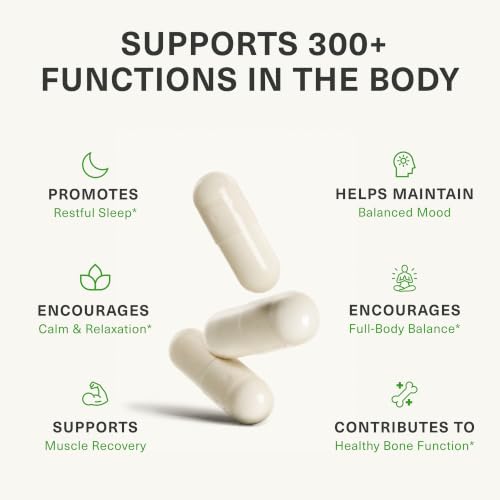
Something shifts in our bodies after 50, and one of the quietest culprits behind restless nights, jittery moods, and that low hum of anxiety is a mineral most of us have not thought about since a high school biology class.
JUMP TO BEST MAGNESIUM PRODUCTS REVIEWED
That mineral is magnesium, and this article is my deep dive into the best magnesium for sleep, anxiety, and mood, built specifically with women and men over 50 in mind.
Quick and important note before we go further. This article is research based, drawing on published studies and clinical formulations, but I am not a doctor. If you are dealing with serious anxiety, chronic insomnia, or a mood change that feels bigger than day to day stress, please talk to your physician or a licensed mental health professional. What follows is education and product guidance, not a diagnosis or treatment plan.
Quick Links
Doctor’s Best High Absorption Magnesium Glycinate Lysinate
This is my top overall pick for most readers, and it earned that spot by being unglamorous in the best way. It delivers 200mg of chelated magnesium glycinate lysinate per serving, formulated specifically for sleep support and calm without a laxative effect.
At 240 tablets per bottle, this one lasts, which matters when you are building a nightly habit rather than testing something for a week and giving up. It is vegan, non-GMO, and free of unnecessary fillers.
Worth knowing: the tablets are on the larger side, so if you struggle with pills, you may prefer a powder or capsule option further down this list.
Check Price on Amazon ↗Why Your Magnesium Needs Change After 50
Nobody warns us about this one. Magnesium deficiency affects up to 60 percent of adults over 50, and the hormonal shifts of perimenopause, menopause, and andropause drain our stores even faster than stress alone.
Magnesium is not a sedative and it is not a mood fix in a bottle. It is a cofactor, meaning your body needs it to run hundreds of the chemical reactions that keep you calm, rested, and emotionally steady.
Here is the part that changed how I think about my own nightstand routine. Magnesium directly supports the production of GABA, your brain’s primary calming neurotransmitter. When GABA is running low, your nervous system stays stuck in a low grade “on” position, which shows up as racing thoughts at bedtime, a short fuse during the day, and sleep that never feels deep enough.
Add to that the natural decline in stomach acid that comes with age, which makes it harder to absorb magnesium from food in the first place, and you have a recipe for the exact combination so many of my readers write to me about. Poor sleep. Free floating anxiety. A mood that feels one bad morning away from tears.
This same pattern shows up in the mood dips so many of us feel when the seasons change, which is why I covered magnesium alongside other options in my guide to the best supplements for seasonal affective disorder.
- Up to 60 percent of adults over 50 are estimated to fall short of adequate magnesium levels.
- Magnesium supports GABA production, the neurotransmitter responsible for calming brain activity.
- Reduced stomach acid with age can lower magnesium absorption from food alone.
- Clinical research on magnesium and sleep has typically used doses between 200mg and 500mg of elemental magnesium daily.
- Chelated forms, like glycinate and bisglycinate, tend to be gentler on digestion than magnesium oxide.
What Actually Changes When You Get This Right
Let’s be honest about what we are really shopping for here. It is not a bottle of capsules sitting in your cabinet. It is the version of you who falls asleep without negotiating with her own brain for an hour first.
It is waking up without that tight, wired feeling behind your sternum before you have even had coffee. It is being able to sit through a family dinner or a work meeting without your thoughts spiraling three steps ahead into worst case scenarios.
That is what we are actually after, and the right magnesium, in the right form, at the right time, can be one meaningful piece of getting you there. Just as the right weighted blanket for anxious, restless nights calms your body from the outside, magnesium works from within, and many of my readers find the two pair well together.
Not All Magnesium Is Created Equal
This is where most people get stuck scrolling Amazon at midnight, which, ironically, is exactly when you should be asleep. Here is the specificity that actually matters.
Glycinate & Bisglycinate
Bound to the calming amino acid glycine. Among the gentlest, best absorbed forms for sleep and anxiety.
L-Threonate
Best studied for crossing into brain tissue. A favorite for mood, focus, and midlife brain fog.
Citrate
Absorbs well, but can have a mild laxative effect at higher doses. Often better suited to daytime.
Topical
Applied to skin, bypassing digestion entirely. Ideal if your stomach reacts to oral supplements.
One label trick to watch for. A supplement can say “500mg magnesium glycinate” while only providing a fraction of that as actual elemental magnesium, since glycine adds bulk without adding mineral. Always look for the elemental magnesium amount on the Supplement Facts panel, not just the headline number on the front of the bottle.
How I Evaluated These Products
I built this list around four criteria that matter most for adults over 50 managing sleep, anxiety, and mood together, not just one symptom in isolation.
Elemental magnesium dose
I checked the actual elemental amount on the Supplement Facts panel, not just the front of bottle claim, and favored products within the 100mg to 350mg per serving range clinical sleep research typically uses.
Third party testing
Preference went to brands independently certified by groups like NSF or that publish a Certificate of Analysis, since supplements are not FDA reviewed before hitting shelves.
Form matched to use case
I looked at whether a product’s form, glycinate, threonate, citrate, or topical, actually matches what it claims to help with, rather than a generic “magnesium for everything” label.
Real world usability
Serving size, flavor or capsule burden, and whether a bottle lasts long enough to judge results over several weeks all factored into the ranking.
At a Glance: 7 Magnesium Picks Compared
| Product | Form | Best For | Elemental Mg |
|---|---|---|---|
| Doctor’s Best Glycinate Lysinate | Glycinate lysinate | Overall pick, nightly habit | 200mg |
| Thorne Bisglycinate Powder | Bisglycinate | Sport certified, flexible dosing | 200mg |
| Pure Encapsulations Glycinate | Glycinate | Sensitive stomachs | 120mg |
| Life Extension Neuro-Mag | L-threonate | Mood & mental clarity | 144mg |
| Natural Vitality Calm | Citrate | Wind-down drink ritual | 325mg |
| BiOptimizers Breakthrough | 7-form blend | Broad coverage, one capsule | 500mg |
| BetterYou Body Spray | Topical chloride | Digestive sensitivity | Not oral |
The 7 Best Magnesium Supplements for Sleep, Anxiety, and Mood
Here are my top 7, evaluated against the criteria above.
1. Doctor’s Best High Absorption Magnesium Glycinate Lysinate

This is my top overall pick for most readers, and it earned that spot by being unglamorous in the best way. It delivers 200mg of chelated magnesium glycinate lysinate per serving, formulated specifically for sleep support and calm without a laxative effect.
At 240 tablets per bottle, this one lasts, which matters when you are building a nightly habit rather than testing something for a week and giving up. It is vegan, non-GMO, and free of unnecessary fillers.
Worth knowing: the tablets are on the larger side, so if you struggle with pills, you may prefer a powder or capsule option further down this list.
2. Thorne Magnesium Bisglycinate Powder
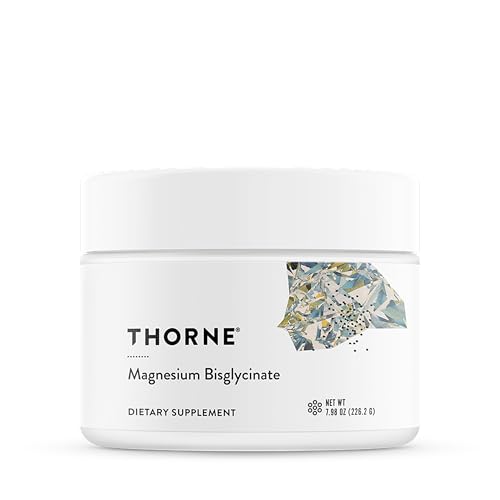
If capsules are not your thing, or you simply prefer mixing something into water before bed, Thorne’s powdered bisglycinate is a standout. It is NSF Certified for Sport, which is the strictest third party testing standard available for consumer supplements, so you know exactly what you are getting.
Each scoop delivers 200mg of elemental magnesium as bisglycinate, formulated to support restful sleep and muscle relaxation. This is a smart pick if you want flexibility to adjust your dose gradually.
Worth knowing: it is unflavored, so a few readers mix it with a splash of juice to make the taste more palatable.
3. Pure Encapsulations Magnesium (Glycinate)
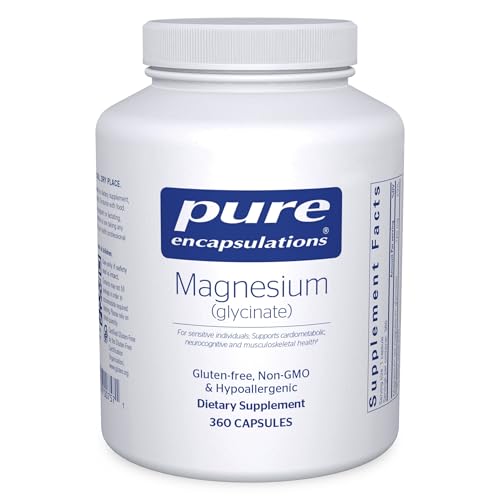
For sensitive stomachs, this one is hard to beat. Pure Encapsulations built its reputation on hypoallergenic formulas free of unnecessary additives, and this magnesium glycinate is no exception.
It delivers a moderate 120mg per capsule, which makes it easy to titrate your dose slowly if you are new to magnesium supplementation or have a history of digestive sensitivity. It is gluten free and non-GMO.
Worth knowing: at 120mg per capsule, you may need two capsules to reach a full clinical sleep dose, which is worth factoring into how long a bottle lasts.
4. Life Extension Neuro-Mag Magnesium L-Threonate
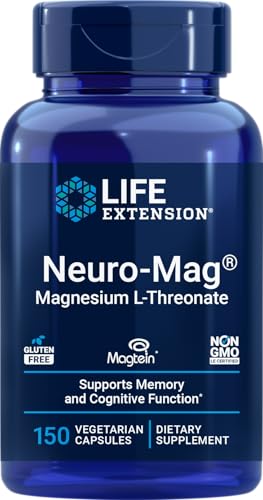
This is the pick for mood and mental clarity specifically. Magnesium L-threonate, the Magtein form used here, is the form most studied for its ability to support magnesium levels in brain tissue, which is why it shows up so often in conversations about brain fog and quick thinking after 50.
Each serving provides 144mg of elemental magnesium from 2000mg of Magtein magnesium L-threonate. If sleep is only part of your concern and mood stability or mental sharpness is just as important to you, this is worth a close look, and it pairs naturally with the picks in my guide to natural supplements for focus and concentration.
Worth knowing: this form costs more per elemental milligram than glycinate, so it is best reserved for readers specifically chasing the cognitive benefit rather than sleep alone.
5. Natural Vitality Calm Magnesium Citrate Powder
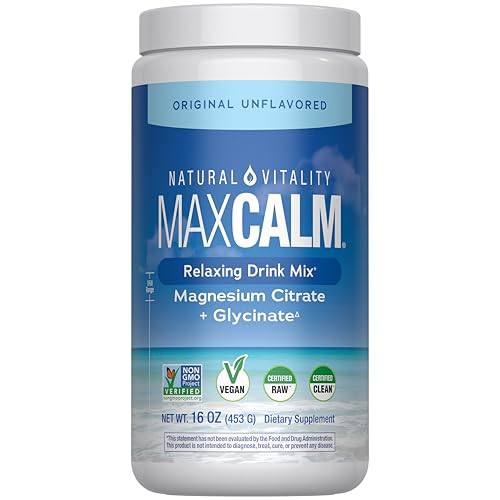
This is the most recognizable name in this list, and for good reason. It is a fizzy, unflavored powder drink mix delivering magnesium citrate, designed to be sipped as part of a wind down ritual rather than swallowed as a pill.
Because citrate forms can have a gentle laxative effect at higher servings, this is a good option to start low and build up gradually, and many readers find it doubles nicely as gentle digestive support. It is vegan, gluten free, and non-GMO.
Worth knowing: that same laxative effect is a genuine consideration, not just a footnote, so this is better sipped early in your evening rather than right before bed.
6. BiOptimizers Magnesium Breakthrough
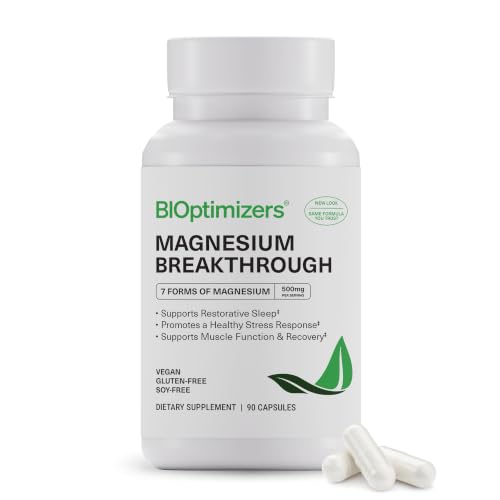
If you would rather not choose between forms of magnesium, this formula combines seven different types, including glycinate, malate, and citrate, in a single 500mg complex. The idea is broader coverage across sleep, mood, and muscle relaxation in one capsule.
This is a good option for readers who have tried a single form of magnesium without much luck and want to see whether a blend makes the difference. Take it with your evening meal for the intended calming effect.
Worth knowing: because it blends several forms, it is harder to know exactly how much of any single type you are getting, which matters if you are trying to isolate what works for you.
7. BetterYou Magnesium Muscle Body Spray
For anyone whose stomach simply will not cooperate with oral magnesium, this topical spray is worth keeping on your nightstand. It combines magnesium chloride with lavender and chamomile, applied directly to skin as part of a bedtime ritual rather than swallowed.
Absorption through skin is gentler and more gradual than oral forms, so think of this as a complement to, not necessarily a replacement for, dietary magnesium. It is dermatologically tested and safe for daily use.
Worth knowing: some people notice a brief tingling sensation on first use, and topical absorption is harder to measure than a swallowed dose, so treat this as a supporting layer rather than your primary source.
How and When to Take Magnesium for Best Results
Timing matters more than people realize. For sleep and anxiety support, most of the products above are designed to be taken about one hour before bed, giving the calming effect time to set in as you wind down.
Start with the lowest suggested serving on the label, especially with citrate or powder forms, and increase gradually over one to two weeks. Many people notice improved sleep quality first, with mood and anxiety benefits following over several weeks of consistent use rather than overnight.
If you take prescription medication, especially for blood pressure, thyroid function, or antibiotics, talk with your pharmacist or doctor before adding a magnesium supplement, since magnesium can interact with how certain medications are absorbed.
A Word From Me to You
I will be honest about something. I did not take magnesium seriously until a friend, a fellow instructor in her mid 50s, mentioned she had started sleeping through the night again for the first time in two years. I was skeptical, because at that point in my life I had tried every sleep gadget and gummy on the market with little to show for it.
What changed my mind was not one miracle night. It was the slow, quiet return of feeling like myself again, calmer in traffic, steadier in hard conversations, and finally waking up without that low grade dread sitting on my chest. That is the transformation I want for you, not a perfect night’s sleep by tomorrow, but a nervous system that finally gets the support it has been asking for.
You deserve to feel rested and steady, not just functional. Start with one product from this list, give it a few consistent weeks, and be patient with yourself the way you would be with a good friend.
Frequently Asked Questions
What is the best magnesium for sleep and anxiety?
Magnesium glycinate and bisglycinate are generally considered the best forms for sleep and anxiety because they are gently absorbed and support GABA, the calming neurotransmitter, without a laxative effect common to other forms.
How much magnesium should adults over 50 take for sleep?
Clinical research on magnesium and sleep has typically used doses of elemental magnesium between 200mg and 500mg daily, though you should always start at the lower end of any product’s suggested serving and check with your doctor about the right amount for you.
Can magnesium help with menopause related anxiety and mood swings?
Many women report that consistent magnesium supplementation helps smooth out the anxiety and irritability that can accompany perimenopause and menopause, likely because magnesium stores are depleted faster during hormonal transitions, though it is not a replacement for medical care if symptoms are significant.
Is magnesium glycinate or magnesium citrate better for sleep?
Magnesium glycinate is generally better suited for nightly sleep support because it is gentle on digestion, while magnesium citrate is a solid option too but can have a mild laxative effect at higher doses, making it better for some people earlier in the day.
How long does it take for magnesium to help with sleep and anxiety?
Some people notice a difference in sleep quality within the first week, while mood and anxiety benefits often take four to six weeks of consistent daily use to become noticeable.
Is it safe to take magnesium every night?
For most healthy adults, taking magnesium nightly at the recommended serving size is considered safe, but anyone with kidney issues or who takes regular prescription medication should check with their doctor first.
Related Reading on FitFab50
If you want the fuller picture on natural versus over the counter options, I compared both in my guide to over the counter medicine for anxiety and stress. And if you want to browse everything I recommend for active aging, my full supplements collection is a good place to start.
About the author

Claudia Faucher is a fitness and lifestyle blogger who shares practical tips for women over 50 on staying active, stylish, and confident. As the creator of FitFab50.com and Beyond59.com, she covers topics like workout gear, beauty trends, and wellness routines. Claudia is passionate about helping others live their best life at any age.
Last update on 2026-10-07 / Affiliate links / Images from Amazon Product Advertising API