
Looking to learn how to get rid of sunburn redness on face? We have all been there. You spent a beautiful afternoon outside, forgot to reapply sunscreen, and now your face or shoulders are glowing red, hot to the touch, and throbbing with sunburn pain.
The good news is that while you cannot completely reverse a mild or moderate sunburn in one night, you absolutely can reduce the redness, calm the inflammation, and wake up looking and feeling significantly better by morning.
If you are over 50, this matters even more. Our skin loses its ability to repair itself as quickly as it once did, which means acting fast with the right steps makes a real difference in how your skin looks and feels the next day.
Here is exactly what to do — starting tonight.
Why Sunburn Redness Happens
Before jumping into the remedies, it helps to understand what you are actually dealing with. How to get rid of sunburn redness overnight starts with knowing what caused it.

When UV radiation damages the outer layers of your skin, your body responds by sending blood rushing to the area to begin repairs. That surge of blood is what causes the redness and warmth. Inflammation is also triggered as part of the immune response, which is why sunburned skin can swell slightly and feel tight.
For women over 50, estrogen decline means the skin is already thinner and holds less moisture than it did in your thirties or forties. A sunburn on already-compromised skin takes longer to heal and can look angrier than it might have years ago. That is not a reason to panic — it is a reason to be intentional about your overnight recovery routine.
Step One: Cool the Skin Down Immediately
The first thing you need to do is bring the heat out of the skin. Do not wait until bedtime to start — the sooner you cool things down, the faster you will treat the sunburn and reduce redness.
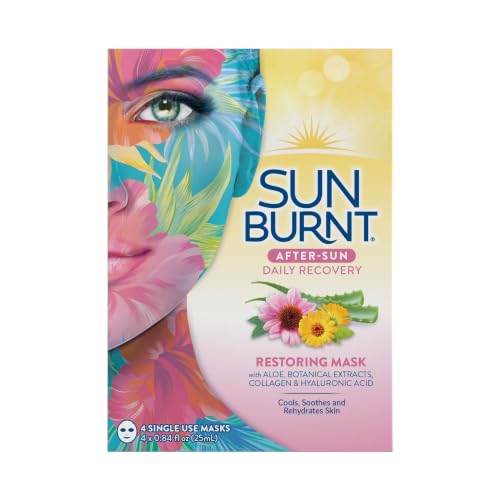
Take a cool shower or bath — not cold, just comfortably cool. Cold water can actually shock already-irritated skin and cause the blood vessels to constrict suddenly, which is not helpful. Lukewarm to cool is the sweet spot.
Do not scrub. Pat your skin dry gently with a soft towel and leave it slightly damp before moving to the next step.
If a shower is not practical, apply cool damp compresses to the affected areas for ten to fifteen minutes. A clean washcloth soaked in cool water works well. You can repeat this several times before bed.
Step Two: Apply Aloe Vera Generously
Aloe vera is one of the best home remedies for sunburn — and not just because your grandmother used it. Research confirms that aloe vera gel reduces inflammation, speeds skin repair, and provides a cooling effect that brings immediate relief to sunburned skin.
The key is using pure aloe vera gel rather than products that contain aloe as a minor ingredient alongside alcohol or fragrance, both of which will irritate already-sensitive skin. Look for a gel that is at least 99 percent aloe vera with no added dyes or perfumes.
Apply a generous layer to all affected areas immediately after cooling the skin. Let it absorb fully before adding anything else. You can reapply every few hours, including right before bed.
Step Three: Moisturize With the Right Ingredients
Once the aloe has absorbed, layer a gentle, fragrance-free moisturizer on top. For women over 50, this step is especially important because our skin loses moisture rapidly after any kind of damage. Our guide to the best moisturizer to even skin tone has options that work well for post-sun recovery too.

Look for moisturizers that contain one or more of these ingredients:
Ceramides help restore the skin barrier that UV damage disrupts. Hyaluronic acid pulls moisture into the skin and keeps it there overnight. Niacinamide calms redness and supports skin repair — it is one of the most useful ingredients you can put on irritated mature skin. Centella asiatica, sometimes listed as cica or gotu kola, is a plant extract with strong anti-inflammatory properties that works particularly well on sunburned skin.
Avoid anything with retinol, glycolic acid, vitamin C, or other active ingredients on sunburned skin. Those are for healthy skin days, not recovery nights. Fragrance is also a firm no — it will sting and worsen inflammation.
Step Four: Take an Anti-Inflammatory
This step gets overlooked, but it makes a measurable difference in overnight redness and sunburn pain reduction.
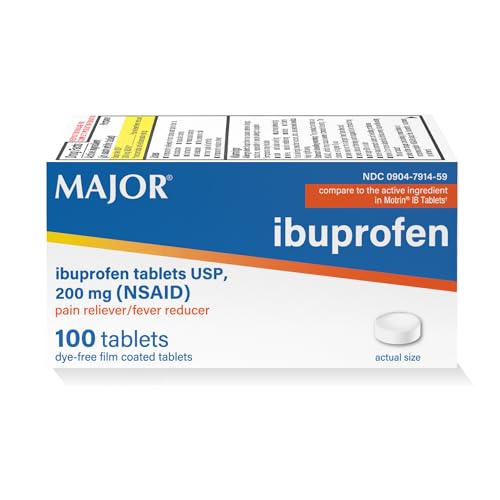
A standard dose of ibuprofen taken as directed helps reduce the internal inflammation driving the redness and heat. It works systemically in a way that topical products simply cannot match. If you are not able to take ibuprofen due to medication interactions or stomach sensitivity, check with your doctor about alternatives.
Taking it before bed gives it several hours to work while you sleep, which is when your body does most of its repair work anyway.
How to Remove Sunburn Redness From Your Face Quickly
Your face deserves its own section because facial skin is more delicate than body skin and more visible — which means redness there is more distressing and needs a slightly gentler approach.

To remove sunburn redness from your face quickly, start with the cool compress method rather than a full shower. Hold a clean damp washcloth against your cheeks, nose, or forehead for ten minutes, then apply pure aloe vera gel in a thin layer. Follow with a barrier-repair moisturizer containing ceramides and niacinamide — those two ingredients together do more for calming facial redness than almost anything else you can apply at home.
Skip any makeup for at least 24 hours. Foundation and concealer trap heat and introduce potential irritants to already-compromised skin. If you need to go out, a clean tinted moisturizer with SPF applied gently is the one exception that gives you some coverage without suffocating the skin.
For redness specifically around the eyes, use cool cucumber slices or refrigerated damp cotton pads rather than aloe vera. You can find more targeted guidance in our article on how to soothe irritated skin around the eyes, which covers that delicate area in more detail.
Home Remedies for Sunburn That Actually Work
Beyond aloe vera, a few other home remedies for sunburn are worth knowing.
Cool milk compress. Milk on sunburn sounds odd but the fat, protein, and lactic acid in whole milk have a mild anti-inflammatory effect on irritated skin. Soak a clean cloth in cool whole milk and apply it as a compress for ten minutes. It is particularly soothing on the face and shoulders.
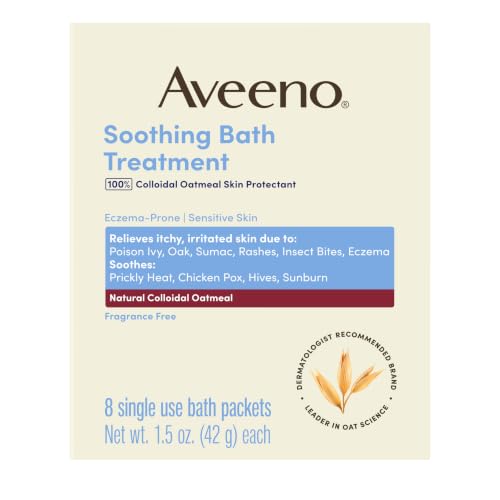
Oatmeal soak. Colloidal oatmeal is a well-established skin soother. Add one to two cups of finely ground plain oats to a cool bath and soak for fifteen to twenty minutes. It reduces itching and inflammation without any harsh ingredients.
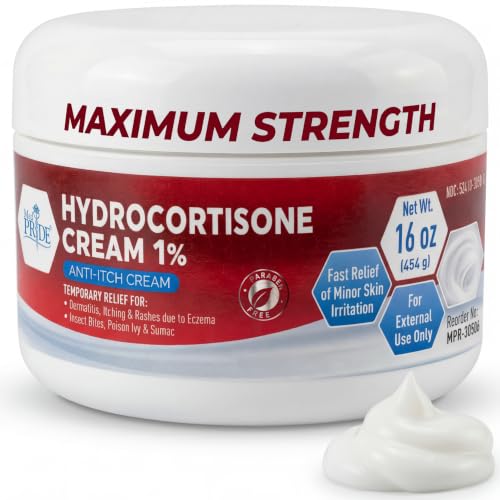
Hydrocortisone cream. A one-percent over-the-counter hydrocortisone cream applied sparingly to red areas can help reduce inflammation faster than moisturizer alone. It is not a home remedy in the traditional sense but it is accessible and effective for mild to moderate sunburn redness.
How to Prevent Sunburn Peeling
If your sunburn is more than mild, peeling is likely coming in a day or two. Keeping the skin well-moisturized overnight is the single most effective thing you can do to minimize how to get rid of sunburn peeling — or prevent it from being severe in the first place.
Drink extra water. Peeling happens partly because the damaged outer skin dries out and separates. Staying well hydrated slows that process. Aim for an extra two to three glasses of water on top of your usual intake while the burn is healing.
When peeling does start, do not pick or peel the skin manually. Let it come off on its own and keep moisturizing generously underneath. Pulling skin off before it is ready exposes raw, unprotected layers underneath and can worsen sun damage on the face over time.
Step Five: Set Up Your Sleep Environment
How you sleep matters when your skin is in recovery mode.
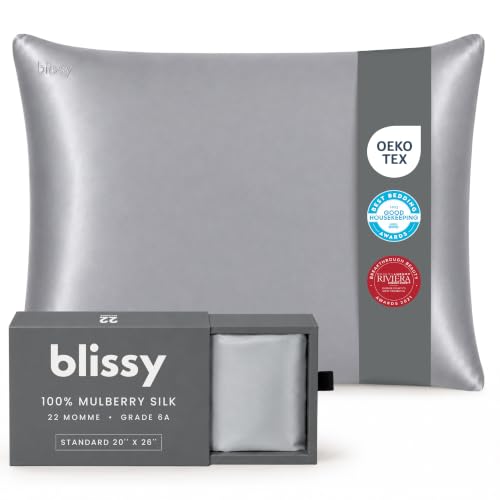
Sleep on clean, soft pillowcases — ideally cotton or silk. Rough or dirty fabric against sunburned skin will increase irritation and can introduce bacteria to compromised skin.
Keep the room cool. Heat is the enemy of sunburn recovery, and sleeping in a warm room will keep your skin inflamed longer. A fan or air conditioning helps significantly.
Try to sleep on your back if the burn is on your face or chest so you are not pressing the affected skin against the pillow all night.
What to Avoid Overnight
A few things that seem helpful but will actually slow your recovery:
Coconut oil for sunburn is one of the most common mistakes. It seems moisturizing and natural, but applying coconut oil or any thick occlusive oil directly to a fresh sunburn traps heat in the skin rather than allowing it to dissipate. Save the coconut oil for after the acute phase has passed — at least 48 to 72 hours in.
Toothpaste is a persistent myth. It does nothing for sunburn and the ingredients in most toothpastes will further irritate your skin. Skip it entirely.
Hot showers before bed will spike inflammation and undo the cooling work you already did.
Exfoliating or using any kind of scrub on sunburned skin is a firm no. Your skin is already damaged — adding physical friction makes it worse and can lead to peeling that is more severe than it needed to be.
What to Expect by Morning
If you follow these steps consistently from the moment you notice the burn through bedtime, you can realistically expect the redness to be noticeably calmer by morning. The skin will likely still be slightly pink and may feel tight or dry, but the angry red color and the heat should be significantly reduced.
Continue the aloe and moisturizer routine for the next two to three days. Stay out of direct sun while healing, and when you do go back outside, make sure you understand when and how to apply sunscreen correctly — it makes a bigger difference than most people realize.
A Note on Serious Burns
If your sunburn includes blistering, covers a large area of your body, or is accompanied by fever, chills, nausea, or dizziness, those are signs of sun poisoning rather than a mild or moderate sunburn. See a doctor rather than trying to manage it at home overnight. This article is intended for typical sunburn redness, not severe burns.
FAQ
Can you get rid of sunburn redness overnight?
You can significantly reduce it, yes. A full reversal in one night is not realistic, but following the right steps — cooling the skin, applying aloe vera, moisturizing with barrier-repair ingredients, and taking an anti-inflammatory — can dramatically calm redness and inflammation by morning. Most women over 50 notice a clear improvement when they act quickly and stick to the routine.
How do you get rid of sunburn redness in an hour?
One hour is a tight window, but you can make a meaningful dent. Apply a cool compress for fifteen minutes, follow immediately with pure aloe vera gel, and take ibuprofen if you are able to. The combination of external cooling and internal anti-inflammatory gives you the fastest possible start. Do not expect the redness to disappear completely in an hour, but the heat and intensity should reduce noticeably.
How do you get rid of sunburn redness in 5 minutes?
Realistically, five minutes is not enough time to reduce sunburn redness in any meaningful way. Anyone claiming otherwise is overstating what is possible. What you can do in five minutes is start the process — run cool water over the affected area and apply aloe vera. The relief you feel will be real, but the visible redness will take longer to calm.
How do you remove sunburn from your face quickly at home?
Cool damp compresses, pure aloe vera gel, and a fragrance-free ceramide moisturizer are your three tools for removing sunburn redness from your face quickly at home. Apply them in that order and repeat the aloe application every two to three hours. Niacinamide in your moisturizer specifically helps calm facial redness. Avoid all makeup, heat, and active skincare ingredients for at least 24 hours.
Does milk help sunburn?
Yes, whole milk applied as a cool compress is a legitimate home remedy for sunburn. The fat and protein content have a mild anti-inflammatory effect on irritated skin, and the coolness of the compress provides immediate soothing relief. It is not a replacement for aloe vera or moisturizer but it works well as a first step while you gather your other supplies.
How long does sunburn redness last?
A mild to moderate sunburn typically peaks in redness at around 24 to 36 hours after sun exposure and then begins to fade. With consistent overnight care, redness can be significantly reduced within 12 to 24 hours. Full resolution usually takes three to five days.
Why does my skin look more red in the morning after a sunburn?
If you wake up and the redness looks worse, it is likely because the inflammatory response peaked overnight, which is normal for the first 24 to 48 hours. It does not mean you did anything wrong. Continue the cooling, aloe, and moisturizing routine and the redness should begin to improve through the day.
Does drinking water help sunburn redness?
Yes. Sunburn draws fluid toward the skin surface as part of the inflammatory response, which can leave you mildly dehydrated. Drinking extra water helps your body support the repair process and keeps skin from becoming even drier as the burn heals. It also helps reduce peeling later in the healing process.
Does sunburn redness get worse with age?
Mature skin tends to show the effects of sun damage more visibly because the skin is thinner and slower to repair. Redness may appear more intense and take slightly longer to fade compared to younger skin. This makes prevention — meaning daily SPF — especially important for women over 50.
The Bottom Line
You cannot erase a sunburn in a single night, but you can absolutely reduce the redness, calm the sunburn pain, and wake up in noticeably better shape if you move quickly with the right routine. Cool the skin, apply pure aloe vera, layer a fragrance-free moisturizer with barrier-supporting ingredients, take an anti-inflammatory, and sleep in a cool environment on clean pillowcases.
Your skin will thank you for it by morning.
Medical Disclaimer: The information on this page is for educational purposes only and is not intended as medical advice. If you are experiencing severe sunburn symptoms including blistering, fever, or dizziness, please consult a healthcare professional.
About the author

Claudia Faucher is a fitness and lifestyle blogger who shares practical tips for women over 50 on staying active, stylish, and confident. As the creator of FitFab50.com and Beyond59.com, she covers topics like workout gear, beauty trends, and wellness routines. Claudia is passionate about helping others live their best life at any age.
Last update on 2026-08-25 / Affiliate links / Images from Amazon Product Advertising API