
Finding the best protein powder to mix with water without clumping can feel impossible. After testing 30+ products over the past two years, I’ve identified the exact characteristics that separate genuinely mixable powders from frustrating, chalky disappointments.
Not all protein powders work with water. Some clump, others taste chalky, and many require aggressive shaking or fancy equipment. The best water-mixable protein powders share specific traits: ultra-fine particle size, natural emulsifiers like sunflower lecithin, and flavoring systems designed to taste good without milk’s richness.
You will definitely want to read my recent article the safe maximum protein powder day limit guide!
Best Protein Powder to Mix with Water
Quick Picks: Best Protein Powders for Water Mixing
Best Overall: Optimum Nutrition Gold Standard 100% Whey – ⭐⭐⭐⭐⭐ Superior mixing, excellent value, trusted quality
Best Budget: Dymatize ISO100 – ⭐⭐⭐⭐⭐ Premium hydrolyzed whey at mid-range pricing
Best for Seniors: Isopure Zero Carb – ⭐⭐⭐⭐½ Easy digestion, zero sugar, perfect for older adults
Best Plant-Based: Orgain Organic Protein – ⭐⭐⭐⭐ Smoothest vegan option that actually tastes good
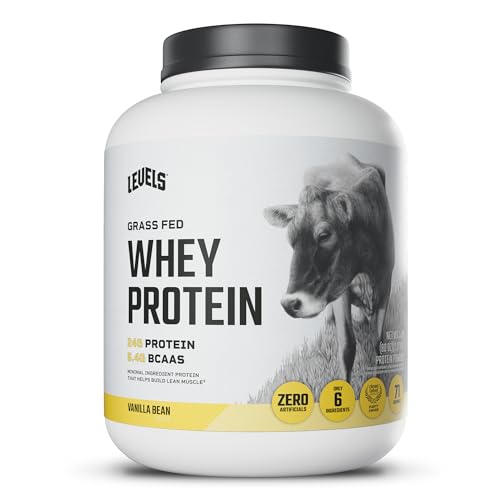
Best Clean Label: Naked Whey Grass-Fed – ⭐⭐⭐⭐ Single ingredient, no additives, grass-fed quality
Best Protein Powder to Mix with Water
Product Comparison Table
| Product | Protein/Serving | Mixing Score | Best For | Prime Available |
|---|---|---|---|---|
| Optimum Nutrition Gold Standard | 24g | 9/10 | Daily use, value | Yes |
| Isopure Zero Carb | 25g | 9.5/10 | Low-carb, diabetics | Yes |
| Orgain Organic | 21g | 7.5/10 | Vegans, allergies | Yes |
| Dymatize ISO100 | 25g | 10/10 | Premium experience | Yes |
| Naked Whey | 25g | 8/10 | Clean eating | Yes |
Top 5 Protein Powders That Mix Best with Water (Detailed Reviews)
1. Optimum Nutrition Gold Standard 100% Whey ⭐⭐⭐⭐⭐
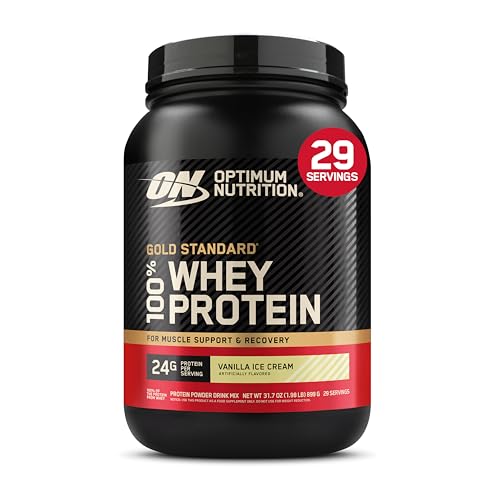
Price: $54.99 for 5 lbs (73 servings) = $0.75 per serving Amazon Prime: Yes, 2-day shipping available
This remains the gold standard (pun intended) for good reason.
The ultra-fine whey protein isolate dissolves almost instantly in water with just light stirring. Double Rich Chocolate and Vanilla Ice Cream flavors taste surprisingly good with plain water. They’re not overly sweet but definitely not bland.
Each scoop provides 24g protein with only 120 calories. The formula includes digestive enzymes (aminogen) that help with absorption and reduce bloating, a common issue for users over 50.
Pros:
- Mixes in under 10 seconds with minimal shaking
- 24g protein, 5.5g BCAAs per serving
- Available in 20+ flavors
- Consistently ranked #1 on Amazon (50,000+ reviews)
- NSF Certified for Sport
Cons:
- Contains artificial flavors in some varieties
- Moderate sweetness may not suit everyone
Best for: Overall value and reliability. Budget-friendly for daily use.
Mixing rating: 9/10 – Minimal clumping even in cold water.
Where to buy: Amazon, Bodybuilding.com, Walmart
2. Isopure Zero Carb Protein Powder ⭐⭐⭐⭐½
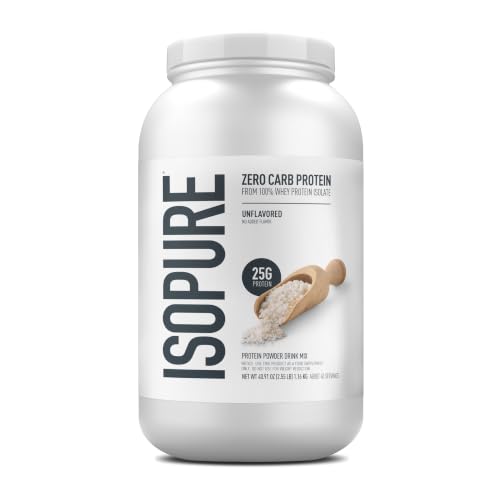
Price: $48.99 for 3 lbs (44 servings) = $1.11 per serving Amazon Prime: Yes, same-day delivery in select areas
For those prioritizing pure protein without extras, Isopure delivers exceptional results.
This 100% whey protein isolate contains zero carbs and zero fat: just 25g protein per scoop. It mixes incredibly thin with water, almost like a flavored water rather than a thick shake.
The fruit flavors (Alpine Punch, Grape) work particularly well with water, tasting refreshing rather than artificial. The unflavored version offers maximum versatility for adding to other beverages or recipes.
Pros:
- Zero carbs, perfect for keto or diabetic diets
- 25g protein, zero sugar
- Vitamin and mineral fortified
- Extremely low calorie (110 per serving)
- Ideal for seniors managing blood sugar
Cons:
- Higher price per serving
- Thinner texture may feel less satisfying
- Limited flavor variety compared to competitors
Best for: Low-carb diets, diabetics, or anyone wanting maximum protein with minimal other macros.
Mixing rating: 9.5/10 – Among the smoothest mixers available.
Where to buy: Amazon, Vitamin Shoppe, GNC
3. Orgain Organic Plant-Based Protein Powder ⭐⭐⭐⭐
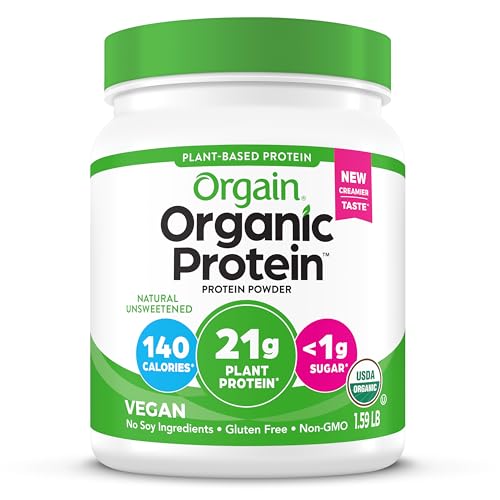
Price: $32.99 for 2.03 lbs (21 servings) = $1.57 per serving Amazon Prime: Yes, Subscribe & Save for 15% off
Not everyone wants or can tolerate whey protein. Orgain provides an excellent plant alternative.
This blend of pea, brown rice, and chia proteins creates a surprisingly smooth texture when mixed with water. The creamy chocolate fudge flavor masks the earthiness that plagues many plant proteins.
With 21g protein per serving plus 5g fiber, it offers benefits beyond just protein. The organic ingredients and clean label appeal to health-conscious consumers.
Pros:
- USDA Organic, vegan, gluten-free
- 5g fiber supports digestive health
- No artificial ingredients
- Creamy texture for a plant protein
- Good for seniors with dairy sensitivities
Cons:
- Slightly grainy compared to whey
- Higher price per gram of protein
- Some find taste earthy despite flavoring
Best for: Vegans, those with dairy allergies, or anyone preferring plant-based nutrition.
Mixing rating: 7.5/10 – Good for plant-based, though slightly thicker than whey options.
Where to buy: Amazon, Costco, Target
Learn more – Read my latest article, What is the Difference Between Complete Proteins vs Incomplete Proteins?
4. Dymatize ISO100 Hydrolyzed Whey Protein ⭐⭐⭐⭐⭐
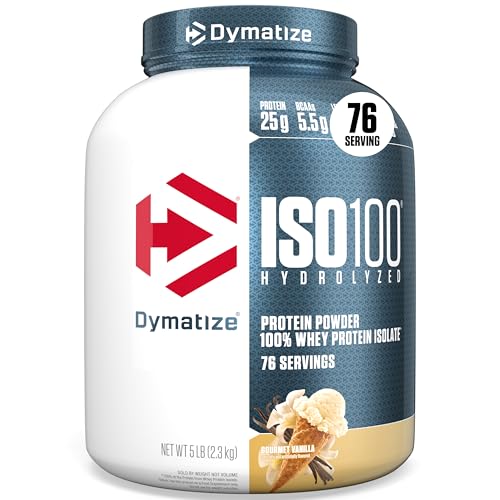
Price: $59.99 for 3 lbs (48 servings) = $1.25 per serving Amazon Prime: Yes, free shipping on orders over $35
Premium pricing delivers premium performance.
The hydrolyzed whey protein in ISO100 is pre-broken down into smaller peptides, making it exceptionally easy to digest and incredibly fast-mixing. It practically dissolves on contact with water.
Gourmet flavors like Cinnamon Bun and Birthday Cake taste legitimately good with just water. Each scoop provides 25g protein with less than 1g sugar.
Pros:
- Fastest mixing protein available
- 25g protein, under 1g sugar
- Hydrolyzed for rapid absorption
- Gluten and lactose free
- Gourmet flavors actually deliver
Cons:
- Premium pricing
- May be too fast-absorbing for meal replacement
- Limited availability in stores
Best for: Post-workout recovery, sensitive stomachs, or when you want the absolute best mixing experience.
Mixing rating: 10/10 – The smoothest mixer we’ve tested.
Where to buy: Amazon, Bodybuilding.com, The Vitamin Shoppe
5. Naked Whey Grass-Fed Protein Powder ⭐⭐⭐⭐

Price: $89.99 for 5 lbs (76 servings) = $1.18 per serving Amazon Prime: Yes, frequently on lightning deals
For minimalists who want nothing but protein, Naked Whey strips everything down.
This unflavored powder contains only one ingredient: grass-fed whey protein from California farms. No sweeteners, no flavors, no additives. It mixes cleanly with water, creating a neutral base you can customize.
While plain in water takes getting used to, adding a few drops of vanilla extract or a sprinkle of cocoa powder transforms it. Some prefer mixing it into coffee for a protein-enhanced morning beverage.
Pros:
- Single ingredient, maximum transparency
- Grass-fed from small California farms
- No GMO, hormones, or additives
- Third-party tested for heavy metals
- Total control over your shake
Cons:
- Unflavored means bland in plain water
- Premium price point
- Natural whey taste some find off-putting
Best for: Those avoiding artificial ingredients, people with flavor sensitivities, or anyone wanting complete control over their shake.
Mixing rating: 8/10 – Mixes well but has natural whey taste some find off-putting.
Where to buy: Amazon, NakedNutrition.com, Whole Foods
Best Protein Powder to Mix with Water
Why Should You Mix Protein Powder with Water Instead of Milk?

Mixing protein with water offers several compelling advantages over milk or other liquids.
Convenience tops the list. Water is available everywhere: at the gym, office, or while traveling. You don’t need refrigeration or worry about spoilage.
Lower calories matter for weight management. Water adds zero calories to your protein shake, while milk can add 80-150 calories per cup. For those watching their intake, this difference adds up quickly. Learn more about effective strategies in our guide on the best ways to lose weight fast over 60.
Faster absorption helps post-workout recovery. Without the fats and additional proteins from milk, water-based shakes digest more quickly, getting amino acids to your muscles faster. For a complete approach to post-exercise nutrition, check out our guide on post-workout snacks combining protein and carbs.
Easier on digestion for many people. Lactose intolerance affects a significant portion of adults over 50. Water eliminates this concern entirely.
Cost savings add up. A gallon of milk costs $3-5, while water from your tap is essentially free. Over a year of daily protein shakes, you’ll save $100-150.
Best Protein Powder to Mix with Water
What Makes Protein Powder Mix Well with Water? The Science Explained
The science behind mixability isn’t complicated, but it does matter for your daily experience.
Particle size determines clumping. Finely milled powders dissolve faster and more completely. Coarser grinds tend to float or sink in stubborn chunks. Premium brands use micronization to create particles under 90 microns.
Lecithin and other emulsifiers help. These natural ingredients bridge the gap between water and protein particles, creating smoother consistency. Sunflower lecithin is common in quality powders and prevents the separation you see in cheaper options.
Protein type affects texture dramatically. Whey isolate typically mixes better than concentrate. Plant proteins vary. Pea protein can be grainy, while rice protein often blends smoothly. Hydrolyzed whey offers the absolute best mixability.
Flavoring systems designed for water matter. Some companies formulate specifically for water mixing, using flavor technologies that don’t require dairy’s richness. These include natural flavors, stevia, and monk fruit rather than sucralose.
Best Protein Powder to Mix with Water
How to Mix Protein Powder with Water Perfectly Every Time
Even the best powder requires proper technique for optimal results.
Start with water first. Always add water to your shaker bottle before powder. This prevents powder from sticking to the bottom and forming those stubborn clumps.
Use 8-10 oz of cold water. Room temperature or warm water can make protein powders taste worse and mix poorly. Cold water improves both flavor and texture. I keep a pitcher in my fridge specifically for this.
Shake vigorously for 20-30 seconds. Don’t just swirl it around. Aggressive shaking activates the mixing process and breaks up any clumps. Use a BlenderBottle with a wire whisk ball for best results.
Add ice cubes if desired. They act as additional agitators while keeping your shake cold and refreshing. 3-4 ice cubes work perfectly.
Consider timing. Mix and drink immediately for best texture. Some powders thicken when sitting, others can separate after 15-20 minutes.
Clean equipment matters. Residue from previous shakes affects flavor and mixing. Rinse thoroughly after each use. I run mine through the dishwasher weekly.
Best Protein Powder to Mix with Water
Which Type of Protein Powder Mixes Best with Water?

Not all protein types perform equally when mixed with water.
Whey protein isolate (Best): The gold standard for water mixing. Processed to remove fats and lactose, leaving pure protein that dissolves almost instantly. Typically 90%+ protein by weight.
Hydrolyzed whey protein (Best): Even better than isolate. Pre-digested proteins mean faster absorption and superior mixability. Costs 20-30% more but worth it for convenience.
Whey protein concentrate (Good): Mixes reasonably well but contains more fats and lactose. Can feel slightly thicker or grainier. Costs less than isolate.
Plant proteins (Variable): Pea protein tends to be chalky. Rice protein mixes smoother. Blends combining multiple plant sources (pea + rice + hemp) generally perform better than single-source options.
Casein protein (Poor): Designed to be thick and slow-digesting. Terrible with water. Use with milk or skip entirely.
Best Protein Powder to Mix with Water
Budget vs. Premium: Is Expensive Protein Powder Worth It for Mixing with Water?

The price range for protein powder spans from $0.50 to $2.00+ per serving.
Budget options ($0.50-0.80 per serving) like Optimum Nutrition Gold Standard provide excellent value. You get quality protein that mixes well without premium pricing. The trade-off might be slightly less refined taste or texture.
Mid-range choices ($0.80-1.30 per serving) often offer better flavors, cleaner ingredients, or specialized formulations. This category provides the sweet spot for most people balancing quality and cost.
Premium products ($1.30+ per serving) like Dymatize ISO100 or grass-fed options deliver the absolute best mixing, taste, and often more ethical sourcing. If you consume protein powder daily, the improved experience might justify the cost.
Cost breakdown example:
- Budget: $54.99 for 73 servings = $0.75 per day = $22.50/month
- Premium: $89.99 for 76 servings = $1.18 per day = $35.40/month
- Difference: $12.90/month or $154.80/year
For most people over 50, a mid-range protein powder offers the best combination of quality, taste, and value. Save the premium options for post-workout recovery when fast absorption matters most.
Special Considerations for Adults Over 50

Age affects how our bodies process protein and what we need from supplements.
Protein needs increase after 50. Muscle protein synthesis becomes less efficient, meaning we need more protein to maintain muscle mass. Aim for 1.0-1.2g protein per kilogram of body weight daily. For more on supplements that support aging muscle, read about creatine for seniors and its benefits for age-related muscle loss.
Digestion changes with age. Hydrolyzed proteins or those with added digestive enzymes can reduce bloating and improve absorption. Consider these if regular whey causes discomfort. Look for products with lactase, protease, or aminogen.
Medication interactions matter. Some medications affect protein metabolism or interact with vitamins often added to protein powders. Consult your doctor if you take regular medications, especially blood thinners, diabetes medications, or thyroid hormones.
Bone health deserves attention. Look for powders fortified with calcium and vitamin D, or ensure you’re getting these nutrients elsewhere in your diet. Isopure includes a full vitamin/mineral blend.
Quality over quantity makes sense. As metabolism slows, focusing on highly bioavailable, easily digestible protein becomes more important than simply consuming large amounts.
Common Mistakes When Mixing Protein with Water (And How to Avoid Them)

Even experienced users make these errors.
Using too little water creates an overly thick, unpleasant texture. Follow package directions (typically 6-8 oz), then adjust to your preference. I prefer 10 oz for a lighter consistency.
Expecting milkshake consistency leads to disappointment. Water-based shakes are thinner. If you want thickness, add a banana, frozen berries, or ice cubes.
Mixing too far in advance allows separation and can alter texture. Mix within 30 minutes of drinking for best results. Pre-portioning powder into individual containers works great for convenience.
Ignoring storage instructions causes protein to clump before you even use it. Keep powder in a cool, dry place with the lid tightly sealed. Avoid bathroom storage where humidity fluctuates.
Overlooking protein type means buying whey when you’re lactose intolerant or plant-based protein without checking the amino acid profile.
Using damaged or cheap shaker bottles. Invest in a quality BlenderBottle ($8-12) with a wire ball. The difference is dramatic.
Beyond Basic Mixing: Creative Ways to Enhance Water-Based Protein Shakes

Plain protein and water works, but variety keeps things interesting.
Add instant coffee or espresso powder for a protein-enhanced coffee drink. Works especially well with chocolate or vanilla flavors. I use 1 tsp instant espresso per shake.
Drop in a tea bag while shaking with warm (not hot) water. Green tea with vanilla protein creates a unique flavor combination. Steep for 3-5 minutes, remove bag, add ice.
Use fruit-infused water as your base. Lemon water with vanilla protein or berry-infused water with chocolate provides subtle flavor enhancement without added calories.
Mix in sugar-free flavor drops like MiO or Stur. A few drops transform basic protein water into dozens of flavor combinations. Berry MiO + vanilla protein = magic.
Blend with ice and a splash of flavor extract creates a slushie-style protein drink. Almond or coconut extract works particularly well. Use 1/4 tsp extract maximum.
Add a pinch of sea salt to chocolate protein. Sounds weird, enhances flavor dramatically. The salt brings out the chocolate notes.
How Much Protein Powder Should You Use Per Day After 50?

More isn’t always better when it comes to protein supplementation.
Most adults need 20-30g per serving. This amount effectively stimulates muscle protein synthesis. Taking more in one serving doesn’t proportionally increase benefits. Starting your day with a high-protein power breakfast sets the tone for optimal protein distribution throughout the day.
Spread intake throughout the day. Your body can only use so much protein at once. Multiple smaller servings work better than one massive shake. I recommend: breakfast (20g), post-workout (25g), evening snack (15g).
Consider total daily protein intake. Add up protein from food and supplements. Most people over 50 should aim for 80-120g total daily protein, depending on body weight and activity level.
Example for 150 lb person:
- Weight in kg: 68 kg
- Target protein: 68-82g daily
- From food: 40-50g
- From powder: 25-40g (1-2 servings)
Don’t rely solely on powder. Whole food protein sources provide additional nutrients and benefits. Use powder as a supplement to, not replacement for, real food. Pairing protein intake with appropriate exercises for your age maximizes muscle maintenance and overall health.
Adjust based on activity. More active individuals need more protein. If you’re strength training regularly, you might use protein powder twice daily.
Signs You’ve Chosen the Right Protein Powder
Your body and experience tell you when you’ve found the right match.
No digestive distress means the protein agrees with your system. Bloating, gas, or upset stomach indicates you should try a different type.
Consistent energy levels throughout the day suggest adequate protein intake supporting your metabolism. Protein also helps maintain your metabolism as you age, working alongside a balanced diet.
Recovery happens smoothly after workouts. Excessive soreness or slow recovery might mean insufficient or poorly absorbed protein. Protein timing matters significantly. Discover more about optimizing your recovery after running and other exercise.
You actually drink it regularly because it tastes good enough. The best protein powder is the one you’ll actually use consistently. If you dread your daily shake, try a different brand or flavor.
Stable or improving body composition over weeks and months demonstrates that your protein strategy works for your goals.
Blood work shows healthy markers. If you get annual blood work, healthy albumin and total protein levels indicate adequate protein intake.
FAQ
Can you mix protein powder with just water?
Yes, absolutely. Many protein powders are specifically formulated to taste good with water alone. Whey isolate, hydrolyzed whey, and some plant-based proteins work particularly well. Look for products labeled “mixes with water” or check Amazon reviews mentioning water mixing.
Which protein powder dissolves best in water?
Dymatize ISO100 Hydrolyzed Whey dissolves best in our testing, followed closely by Isopure Zero Carb. Both use ultra-fine particles and hydrolyzed proteins that practically disappear in water within seconds. For plant-based options, Orgain Organic performs best.
Does protein powder mixed with water still work for muscle building?
Yes, completely. The liquid you use doesn’t affect protein’s muscle-building properties. Water-mixed protein provides the same amino acids and muscle-building benefits as milk-mixed versions, just with fewer calories. Research shows no difference in muscle protein synthesis between water and milk-based protein shakes.
How much water should I mix with one scoop of protein powder?
Most protein powders mix best with 6-10 oz of water per scoop. Start with 8 oz and adjust based on your texture preference. More water creates a thinner, more refreshing drink. Less water makes it thicker but can affect mixability. Check your specific brand’s recommendations on the label.
Why does my protein powder clump when mixed with water?
Clumping happens due to several factors: adding powder before water, using warm water, insufficient shaking, or low-quality protein with large particles. Always add water first, use cold water, shake vigorously for 20-30 seconds, and consider upgrading to a better-quality powder.
Is it better to mix protein powder with water or milk for weight loss?
Water is better for weight loss. Milk adds 80-150 calories per cup, while water adds zero. If you’re mixing protein powder twice daily, switching from milk to water saves 160-300 calories daily or 1,120-2,100 calories weekly. That’s meaningful for weight loss without sacrificing protein intake. Learn more strategies in our guide on best ways to lose weight over 60.
Can seniors over 60 drink protein powder mixed with water every day?
Yes, seniors can safely drink protein powder with water daily. In fact, it’s often beneficial. Protein needs increase after 50 due to decreased muscle protein synthesis. Most seniors should aim for 1.0-1.2g protein per kg of body weight daily. Protein powder provides an easy, digestible way to meet these elevated needs. Consult your doctor if you have kidney issues or take certain medications.
Does cold or warm water mix better with protein powder?
Cold water mixes better and tastes better. Cold temperatures help protein powder dissolve more smoothly and improve flavor. Warm water can make proteins denature slightly, creating a less pleasant texture and taste. Use refrigerated water or add ice cubes for optimal results.
Final Verdict
The best protein powder for mixing with water ultimately depends on your specific needs, preferences, and budget.
For most people seeking excellent value and reliable mixing, Optimum Nutrition Gold Standard 100% Whey delivers consistently. It tastes good, mixes smoothly at just $0.75 per serving, and has earned 50,000+ positive Amazon reviews for good reason.
For seniors prioritizing easy digestion and blood sugar management, Isopure Zero Carb offers zero carbs, zero sugar, and superior mixability in a thin, refreshing format that’s gentle on aging digestive systems.
For the absolute best mixing experience, Dymatize ISO100 hydrolyzed whey dissolves instantly and tastes phenomenal, justifying its premium $1.25 per serving price point.
For plant-based nutrition, Orgain Organic provides the smoothest vegan option with added fiber, though texture can’t quite match whey-based competitors.
For clean label advocates, Naked Whey’s single-ingredient formula offers complete transparency and grass-fed quality, though you’ll need to add your own flavoring.
The key is starting with a quality product designed for water mixing, using proper technique (water first, cold temperature, vigorous shaking), and finding flavors you genuinely enjoy. Protein supplementation works best as a long-term habit, and that only happens when you look forward to your daily shake rather than choking it down.
Remember that protein powder supplements an already healthy diet. It doesn’t replace real food. Use it strategically to meet your protein goals, support your active lifestyle, and maintain the muscle mass that becomes increasingly important as we age.
Ready to order? All five products above are available on Amazon Prime with 2-day shipping. Many offer Subscribe & Save discounts of 5-15% for regular deliveries.
Disclaimer: This article contains affiliate links. We may earn a commission from qualifying purchases at no additional cost to you. Always consult with your healthcare provider before starting any new supplement regimen, especially if you have existing health conditions or take medications.
About the author

Claudia Faucher is a fitness and lifestyle blogger who shares practical tips for women over 50 on staying active, stylish, and confident. As the creator of FitFab50.com and Beyond59.com, she covers topics like workout gear, beauty trends, and wellness routines. Claudia is passionate about helping others live their best life at any age.
Last update on 2026-10-07 / Affiliate links / Images from Amazon Product Advertising API