
“Can you build muscle after menopause?” This is hands down one of the most common questions I hear from women navigating this life transition. Maybe you’re asking yourself the same thing right now. You’ve noticed your body changing, softer where you used to be firm, weaker where you used to be strong. Your favorite jeans don’t fit quite right anymore, and you’re starting to wonder if building muscle after 50 is even realistic.

Here’s what I want you to know right from the start: Yes, you absolutely can build muscle after menopause. The research is clear on this. But I won’t sugarcoat the reality. Building muscle after menopause does require a different approach than what worked in your 30s and 40s.
The encouraging news? Once you understand what’s happening inside your body and make the right adjustments to your training and nutrition, you can absolutely get stronger, build lean muscle, and feel confident in your own skin again.
I’ve watched countless women transform their bodies and their lives by following the strategies I’m about to share with you. If you’re ready to start your journey, check out our beginner’s strength training guide to get started safely.
What Happens to Your Muscles During Menopause
Let’s talk about what’s really going on inside your body. When estrogen levels drop during menopause, it affects more than just your mood and sleep. Estrogen actually plays a crucial role in muscle protein synthesis. Basically, your body’s ability to build and maintain muscle tissue.

After menopause, women naturally lose muscle mass at a rate of about 3-8% per decade if they’re not actively working against it. This process, called sarcopenia, accelerates after age 60. But here’s what matters most: this muscle loss isn’t inevitable. It’s largely preventable with the right approach.
Your metabolism also shifts during this time. With less muscle mass and declining estrogen, your body burns fewer calories at rest. This is why so many women notice that stubborn belly fat appearing seemingly out of nowhere. It’s not your imagination. Your body composition is genuinely changing.
Why Building Muscle Matters More Than Ever
Beyond just looking toned (though that’s a nice bonus), building muscle after menopause is absolutely critical for your health and independence as you age. Strong muscles protect your bones from osteoporosis, which becomes a real concern when estrogen drops.
They also support your joints, improve your balance to prevent falls, and keep your metabolism higher. Supporting your muscle-building efforts with the right nutrients and supplements can make a significant difference in your results.
I’ve worked with women who transformed their energy levels just by adding strength training to their routine. They’re sleeping better, managing their weight more easily, and feeling more confident in their daily activities. One client told me she can now carry her groceries without thinking twice about it. Something that had become difficult before she started training.
The Truth About Building Muscle After Menopause
Here’s what the research actually shows: postmenopausal women can build muscle at similar rates to premenopausal women when they follow a proper strength training program.
A study published in the Journal of Applied Physiology found that women in their 60s and 70s gained significant muscle mass and strength after just 12 weeks of resistance training.
However, there are some important differences to keep in mind. Your recovery time may be longer than it used to be. Those muscle fibers need more time to repair and rebuild, which means rest days are non-negotiable. You might also need to be more strategic about your protein intake, but we’ll get to that in a minute.
The key is consistency paired with the right approach. You can’t do the same workout you did in your 30s and expect the same results. Your body needs a different strategy now.
How to Build Muscle After Menopause: The Essential Strategies
1. Prioritize Strength Training (Not Just Cardio)
I know so many women who spend hours on the treadmill or elliptical, hoping to lose weight and tone up. But here’s the truth: while cardio is great for your heart, it won’t build the muscle you need. You have to lift weights or use resistance training at least 2-3 times per week. If traditional cardio is causing joint pain, consider switching to low-impact exercises that are easier on your body.
Focus on compound movements that work multiple muscle groups at once. Think squats, deadlifts, chest presses, and rows. These give you the most bang for your buck and trigger the hormonal responses that support muscle growth. If you’re dealing with joint pain, resistance bands can be a gentler alternative to heavy weights while still building strength.
Start with weights that challenge you. If you can easily do 15-20 reps, the weight is too light. You should be struggling by the last 2-3 reps of each set while maintaining good form. That’s where the magic happens.
2. Eat Enough Protein (More Than You Think)
This is where so many women go wrong. The general recommendation for protein intake is about 0.8 grams per kilogram of body weight, but research shows that postmenopausal women need significantly more to build and maintain muscle, closer to 1.2-1.6 grams per kilogram. You can use a protein calculator to determine your exact needs based on your weight and activity level.
For a 150-pound woman, that’s roughly 80-110 grams of protein per day. That might sound like a lot, but spread it across three meals and you’re looking at about 25-35 grams per meal. A palm-sized portion of chicken, fish, or lean beef gets you there, or Greek yogurt with a protein powder scoop for breakfast.
Your body becomes less efficient at using protein as you age, so timing matters too. Try to include protein within an hour after your strength training workout to maximize muscle protein synthesis.
3. Don’t Neglect Recovery
Your body needs time to repair and rebuild those muscle fibers you’ve been breaking down in the gym. This means getting 7-9 hours of quality sleep each night (I know, easier said than done with menopause symptoms), and taking at least one full rest day between strength training sessions for the same muscle groups.
Active recovery is your friend here. On rest days, try gentle yoga, walking, or swimming. These activities increase blood flow to your muscles without adding extra stress.
4. Consider Creatine Supplementation
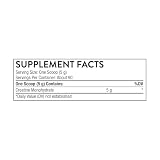
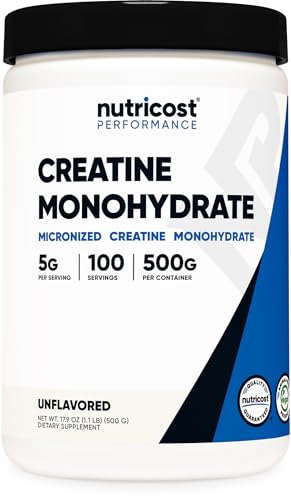
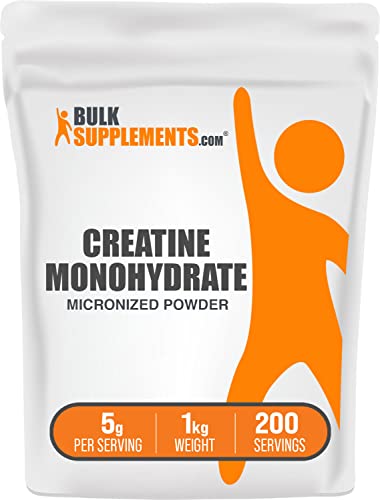
Creatine isn’t just for bodybuilders. Research shows it can be particularly beneficial for postmenopausal women trying to build muscle. It helps your muscles produce energy during heavy lifting and may help offset some of the muscle loss that comes with declining estrogen.

A typical dose is 3-5 grams per day. You can mix it into your morning coffee, protein shake, or just water. It’s one of the most well-researched supplements out there, and it’s generally considered safe for most people (though always check with your doctor first).
5. Stay Hydrated
Muscle tissue is about 75% water, and even mild dehydration can impair muscle protein synthesis. Aim for at least 8-10 glasses of water daily, more if you’re exercising intensely or it’s hot outside. Some foods can also help with hydration while supporting your fitness goals.
Common Mistakes to Avoid
Going too light with weights. Your muscles need to be challenged to grow. If you’re not feeling some muscle fatigue by the end of your set, increase the weight.
Not eating enough overall. Some women are so focused on weight loss that they severely restrict calories. But you can’t build muscle in a significant caloric deficit. You need energy to fuel those workouts and recovery. If you’re trying to lose weight while building muscle, focus on protein-rich nutrition rather than severe calorie restriction.
Doing too much cardio. Excessive cardio can actually interfere with muscle building. If you love your cardio, that’s fine. Just make sure strength training is your priority, and keep cardio sessions moderate.
Comparing yourself to your younger self. Progress might look different now, and that’s okay. Celebrate every small victory. Whether it’s adding 5 pounds to your squat or doing one more push-up than last week.
What to Expect: Realistic Timelines
Be patient with yourself. Most women start noticing changes in how they feel within 2-4 weeks—better energy, improved sleep, clothes fitting differently. Visible muscle definition typically takes 8-12 weeks of consistent training.
Strength gains often come before you see physical changes. You might be lifting heavier weights or doing more reps before you notice your arms looking more defined. That’s completely normal and actually a great sign that you’re building that foundation.
The Bottom Line
Can you build muscle after menopause? Absolutely, yes. Will it require more attention to your training, nutrition, and recovery than it might have years ago? Also yes. But the payoff us stronger bones, better metabolic health, more energy, and yes, a more toned physique is completely worth the effort.
Your body is still incredibly capable of change and growth. It just needs the right fuel, the right stimulus, and a little patience. Start with two strength training sessions per week, focus on getting enough protein, and be consistent. Your future self will thank you for starting today.
Remember: it’s never too late to become the strongest version of yourself. Your best years of strength and vitality can absolutely be ahead of you, not behind you.

Claudia Faucher is a fitness and lifestyle blogger who shares practical tips for women over 50 on staying active, stylish, and confident. As the creator of FitFab50.com and Beyond59.com, she covers topics like workout gear, beauty trends, and wellness routines. Claudia is passionate about helping others live their best life at any age.
Last update on 2026-08-25 / Affiliate links / Images from Amazon Product Advertising API