
If you’ve been considering Botox but aren’t ready for needles, you’re not alone.
Many women over 50 are discovering that knowing what to look for in a Botox face cream to achieve best results can help them address fine lines and wrinkles without invasive procedures.

While no topical cream can truly replicate the muscle-paralyzing effects of injectable Botox, the right botox alternative cream with proven ingredients can dramatically improve your skin’s appearance and texture.
The beauty industry has exploded with products claiming to be “Botox in a bottle,” but not all anti-aging face creams are created equal.
Understanding which ingredients actually work and how they benefit mature skin makes all the difference between wasting money and finding a wrinkle reduction cream that delivers real results.
Understanding How Botox Face Creams Work (And How They Differ from Injections)
Before diving into what to look for, let’s clarify what these products actually do.
Injectable Botox works by temporarily paralyzing facial muscles that cause dynamic wrinkles—those lines that form when you smile, frown, or squint. The toxin blocks nerve signals to prevent muscle contractions.
Topical botox treatment products take a different approach.
They can’t penetrate deeply enough to reach facial muscles, so they work on the skin’s surface and upper layers instead.
The best needle-free wrinkle treatment options focus on:
- Stimulating collagen production to plump the skin
- Providing intense hydration to smooth fine lines
- Supporting the skin barrier to improve texture and firmness
- Gently inhibiting muscle contractions at a surface level
- Protecting against environmental damage that accelerates aging
The bottom line? While results won’t be as dramatic or immediate as injections, consistent use of quality products can lead to noticeable improvements in skin texture, firmness, and the appearance of wrinkles over time.
The 7 Essential Ingredients to Look For
1. Peptides: The Muscle-Relaxing Powerhouses

Peptides are short chains of amino acids that serve as messengers for your skin cells.
When shopping for a botox in a bottle product, peptides should be at the top of your ingredient list.
Key Peptides to Look For:
Argireline (Acetyl Hexapeptide-8) is often called the gold standard peptide for non-invasive wrinkle treatment.
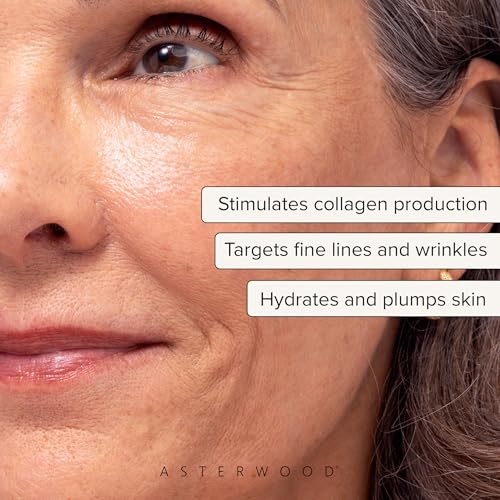
Research shows it works by inhibiting neurotransmitter release, potentially reducing muscle contractions that contribute to expression lines.
While effects are milder than actual Botox, studies demonstrate visible improvements in fine lines with consistent use. For more on how anti-aging serums compare to Botox alternatives, explore our comprehensive guide.
Matrixyl (Palmitoyl Pentapeptide) stimulates collagen production and helps repair skin damage.
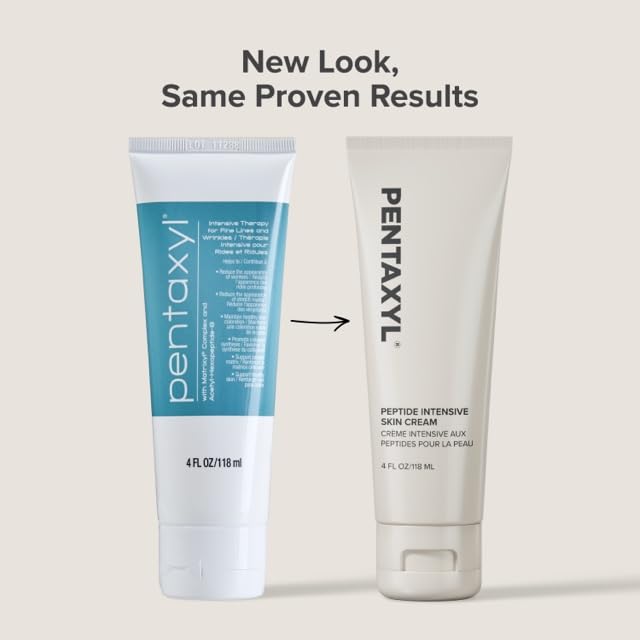
This peptide can reduce wrinkle depth and improve skin elasticity, making it excellent for addressing both dynamic and static wrinkles.
Syn-Ake Peptide mimics snake venom effects (without actual venom) by relaxing facial muscles and promoting collagen synthesis.
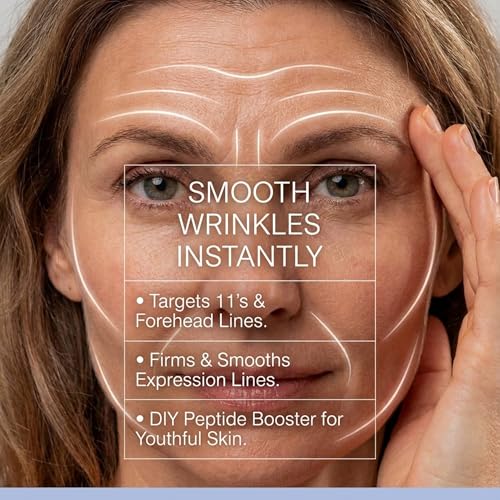
Clinical studies show visible results in as little as 28 days.
What concentration works? Look for products containing at least 5-10% peptide concentrations for maximum effectiveness. Multiple peptides in one formula often work synergistically for better results.
2. Retinol: The Gold Standard Anti-Aging Ingredient
Retinol remains the most scientifically proven topical ingredient for combating signs of aging.

This vitamin A derivative works by:
- Accelerating cell turnover to reveal fresh, smooth skin
- Boosting collagen and elastin production
- Improving skin texture and tone
- Reducing the appearance of fine lines and wrinkles
- Fading age spots and sun damage
Choosing the Right Strength for Mature Skin
For mature skin over 50, start with a lower concentration (0.25-0.5%) and gradually increase as your skin builds tolerance.
Consider gentler alternatives like bakuchiol or retinaldehyde if you have sensitive skin—both deliver similar benefits with less irritation. Whether you’re shopping for yourself or looking for effective skin care for men over 50, retinol-based products remain the gold standard.
The key is consistency. Apply retinol products at night, always follow with SPF during the day, and give your skin at least 12 weeks to show visible improvements.
3. Hyaluronic Acid: The Hydration Hero
One of the most critical factors in reducing the appearance of wrinkles is proper hydration.
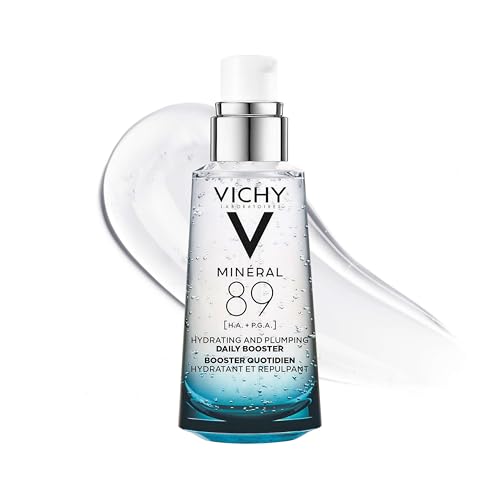
Hyaluronic acid can hold up to 1,000 times its weight in water, making it exceptional for plumping fine lines and restoring skin moisture.
What to Look For
For best results, look for products with multiple molecular weights of hyaluronic acid:
- Smaller molecules penetrate deeper for long-lasting hydration
- Larger molecules create a moisturizing film on the skin’s surface for immediate smoothing effects
When combined with peptides and retinol, hyaluronic acid helps counteract dryness and keeps skin looking dewy and youthful.
4. Niacinamide (Vitamin B3): The Multi-Tasker
Niacinamide addresses multiple aging concerns simultaneously.

What It Does:
- Strengthens the skin barrier
- Reduces inflammation and redness
- Improves skin texture and tone
- Minimizes the appearance of pores
- Fades dark spots and hyperpigmentation
- Boosts collagen production
Optimal concentration: 4-5% provides maximum benefits without irritation.
Bonus: Niacinamide plays well with other ingredients, making it a valuable addition to any anti-aging face cream formulation.
5. Ceramides: The Barrier Builders
As skin ages, it loses ceramides—lipids that maintain the skin barrier and lock in moisture.

This leads to dryness, sensitivity, and more pronounced wrinkles.
Why Ceramides Matter:
Quality face cream ingredients should include ceramides to:
- Restore and strengthen the protective skin barrier
- Prevent moisture loss
- Improve skin texture and smoothness
- Reduce the appearance of fine lines
- Enhance tolerance to active ingredients like retinol
Pro tip: Ceramides work especially well when paired with peptides and hyaluronic acid for comprehensive anti-aging benefits.
6. Antioxidants: The Age-Damage Defenders
Environmental stressors like UV radiation and pollution accelerate skin aging through oxidative damage.

Antioxidants neutralize free radicals and protect against this damage.
Key Antioxidants to Look For:
Vitamin C
- Brightens skin
- Stimulates collagen synthesis
- Provides photoprotection
- Look for stable forms like tetrahexyldecyl ascorbate or magnesium ascorbyl phosphate
Vitamin E
- Works synergistically with vitamin C
- Enhances antioxidant protection
- Improves skin smoothness
Green Tea Extract
- Provides powerful polyphenols
- Reduces inflammation
- Protects against UV damage
Coenzyme Q10
- Supports cellular energy production
- Helps reduce oxidative stress
- Fights wrinkle formation
7. Growth Factors: The Advanced Option
Growth factors represent cutting-edge anti-aging technology.
These proteins signal skin cells to produce more collagen and elastin, effectively reversing some signs of aging.

Epidermal Growth Factor (EGF) stimulates skin renewal and strengthens the skin barrier.
Research shows it can visibly improve skin texture, firmness, and the appearance of wrinkles.
Worth noting: While products with growth factors tend to be pricier, many users report impressive results that rival more expensive cosmetic procedures.
What to Look for in a Botox Face Cream: The Complete Checklist
When evaluating potential products, use this comprehensive guide:
Formula Quality Indicators
Multi-Active Ingredient Approach: The best products combine several proven ingredients rather than relying on a single active. Look for formulas that include at least three of the key ingredients discussed above.
Appropriate Concentrations: Effective concentrations matter. Too little won’t deliver results; too much can irritate mature skin. Research recommended percentages for each active ingredient.
Texture and Absorption: Choose a texture appropriate for your skin type. Mature skin often benefits from richer creams that provide both treatment and hydration, but they should still absorb without leaving a greasy residue.
Fragrance-Free Formulations: Added fragrances can irritate aging skin. Opt for fragrance-free or naturally scented options to minimize sensitivity risks.
Airless Pump Packaging: Ingredients like retinol and vitamin C degrade when exposed to light and air. Airless pump packaging preserves ingredient potency longer than jar packaging.
Clinical Evidence and Transparency
Published Research: Look for brands that cite clinical studies supporting their product claims. Be wary of vague promises without scientific backing.
Third-Party Testing: Dermatologist-tested and clinically-tested products offer additional quality assurance.
Ingredient Transparency: Reputable brands clearly list all ingredients and their concentrations. Avoid products with proprietary blends that hide actual percentages.
Realistic Expectations
No cream will eliminate deep wrinkles or provide Botox-level results. The best products offer:
- Gradual, visible improvement over 8-12 weeks
- Softer, smoother skin texture
- Reduction in fine line appearance (not complete elimination)
- Improved skin firmness and elasticity
- More even skin tone and radiance
If a product promises miracle results overnight, it’s making unrealistic claims.
How to Choose the Right Formula for Your Skin Type
For Dry, Mature Skin
Look for richer, cream-based formulas with:
- High concentrations of hyaluronic acid and ceramides
- Nourishing oils like squalane or jojoba
- Peptides for both anti-aging and moisturizing benefits
- Gentle retinol alternatives like bakuchiol if you’re new to retinoids
For Combination or Normal Skin
Choose lightweight yet effective formulas featuring:
- Balanced hydration from hyaluronic acid
- Peptides and niacinamide for multi-benefit results
- Moderate retinol concentrations
- Gel-cream textures that absorb quickly
For Sensitive Skin
Prioritize gentle, soothing formulas with:
- Bakuchiol instead of retinol
- Calming ingredients like allantoin or bisabolol
- Fewer active ingredients to minimize irritation risk
- Ceramides and niacinamide to strengthen the skin barrier
- Fragrance-free formulations
Building an Effective Routine
Even the best face cream for women over 50 wrinkles needs proper application for optimal results:
Morning Routine
- Cleanse with a gentle, hydrating cleanser
- Apply vitamin C serum (if using separately)
- Apply peptide or antioxidant-rich moisturizer
- Always finish with broad-spectrum SPF 30 or higher
Evening Routine
- Double cleanse to remove makeup and sunscreen
- Apply retinol or peptide treatment serum
- Follow with your anti-aging face cream
- Apply eye cream to delicate areas
- Consider a facial oil for extra nourishment (optional)
Pro Tips for Best Results:
- Give new products at least 12 weeks before judging effectiveness
- Introduce one new active ingredient at a time to avoid irritation
- Store products away from heat and direct sunlight
- Use gentle, upward motions when applying to avoid pulling skin
- Consistency matters more than expensive products
- Consider a tinted moisturizer with SPF for daytime coverage and protection
Understanding the Timeline for Results
Patience is essential when using topical anti-aging products.
Here’s a realistic timeline:
Weeks 1-2:
- Skin may feel smoother and more hydrated
- Some people experience initial purging or adjustment period with retinol
Weeks 4-6:
- You’ll notice improved skin texture
- Increased brightness
- Subtle softening of fine lines
Weeks 8-12:
- Fine lines appear visibly reduced
- Skin looks firmer and more even-toned
- This is when most people see significant improvements
Months 4-6:
- Continued improvement in skin quality
- Deeper lines may appear slightly softer (though not eliminated)
Remember: Results are cumulative. Stopping use means you’ll lose the benefits you’ve gained.
Common Mistakes to Avoid
Expecting Botox-Level Results
Topical products can’t paralyze muscles like injections.
Set realistic expectations for gradual improvement rather than dramatic transformation.
Using Too Many Active Ingredients at Once
Layering multiple potent actives can irritate skin and cause more harm than good.
Start simple and build gradually.
Skipping Sunscreen
UV damage is the primary cause of premature aging.
No anti-aging product can overcome daily sun exposure without protection.
If you’re already dealing with sun damaged skin on your face, you know how crucial prevention is.
Non-negotiable: Wear SPF every day.
Giving Up Too Soon
Most people quit before seeing results.
Commit to at least 12 weeks of consistent use before deciding if a product works.
Ignoring Your Skin’s Signals
If you experience persistent redness, burning, or irritation, scale back on active ingredients.
More isn’t always better, especially for mature skin.
Budget Considerations: Do You Need to Spend a Fortune?
The good news? Effective anti-aging ingredients aren’t exclusive to luxury brands.
While expensive products may offer elegant textures and packaging, drugstore options often contain the same active ingredients at similar concentrations.
Worth Splurging On:
- Products with growth factors (expensive to produce)
- Formulas with multiple active ingredients at clinical strengths
- Products with airless pump packaging for ingredient stability
Save Your Money On:
- Basic retinol or peptide serums from reputable drugstore brands
- Hyaluronic acid products (effectiveness doesn’t correlate with price)
- Niacinamide formulations (widely available at all price points)
Bottom line: Focus on ingredient quality and concentration rather than brand prestige. A well-formulated $30 cream can outperform a $200 option with subpar ingredients.
Complementary Practices for Maximum Results
While choosing the right product is important, these lifestyle factors significantly impact skin health. For more comprehensive guidance, explore our complete collection of skin care tips and routines.
Prioritize Sleep
Growth hormone production peaks during deep sleep, supporting skin repair and regeneration.
Target: 7-9 hours nightly.
Stay Hydrated
Drink adequate water throughout the day.
Dehydration emphasizes fine lines and makes skin look dull.
Eat Skin-Supporting Foods
- Antioxidant-rich fruits and vegetables
- Omega-3 fatty acids from fish
- Collagen-supporting vitamin C foods
Manage Stress
Chronic stress accelerates aging through cortisol production and inflammation.
Practice stress-reduction techniques that work for you.
Avoid Smoking and Excessive Alcohol
Both significantly accelerate skin aging and diminish the effectiveness of topical treatments.
Consider Professional Treatments
Combining quality at-home products with periodic professional treatments like chemical peels or microneedling can enhance results.
The Bottom Line: Smart Shopping for Anti-Aging Success
Understanding what to look for in a Botox face cream to achieve best results empowers you to make informed choices for your skin.
While no topical product can match injectable Botox’s dramatic results, the right combination of scientifically-proven ingredients can deliver noticeable improvements in skin texture, firmness, and the appearance of fine lines and wrinkles.
Your Action Plan:
- Focus on proven ingredients: peptides, retinol, hyaluronic acid, niacinamide, and antioxidants
- Choose products appropriate for your skin type
- Set realistic expectations for gradual improvement
- Commit to consistent use for at least 12 weeks
- Never skip sunscreen—it’s your most important anti-aging product
Remember This:
The journey to healthier, more youthful-looking skin doesn’t require needles or a fortune.
With the right knowledge and products, you can achieve impressive results that help you look and feel your absolute best.
Nothing combats wrinkles better than prevention. Start today, stay consistent, and be patient with the process.
Claudia Faucher is a certified fitness instructor with over 20 years of experience and a passionate advocate for healthy aging. At FitFab50, she shares evidence-based advice to help women over 50 look and feel their best through fitness, nutrition, and practical lifestyle strategies.

Claudia Faucher is a fitness and lifestyle blogger who shares practical tips for women over 50 on staying active, stylish, and confident. As the creator of FitFab50.com and Beyond59.com, she covers topics like workout gear, beauty trends, and wellness routines. Claudia is passionate about helping others live their best life at any age.
Last update on 2026-04-04 / Affiliate links / Images from Amazon Product Advertising API