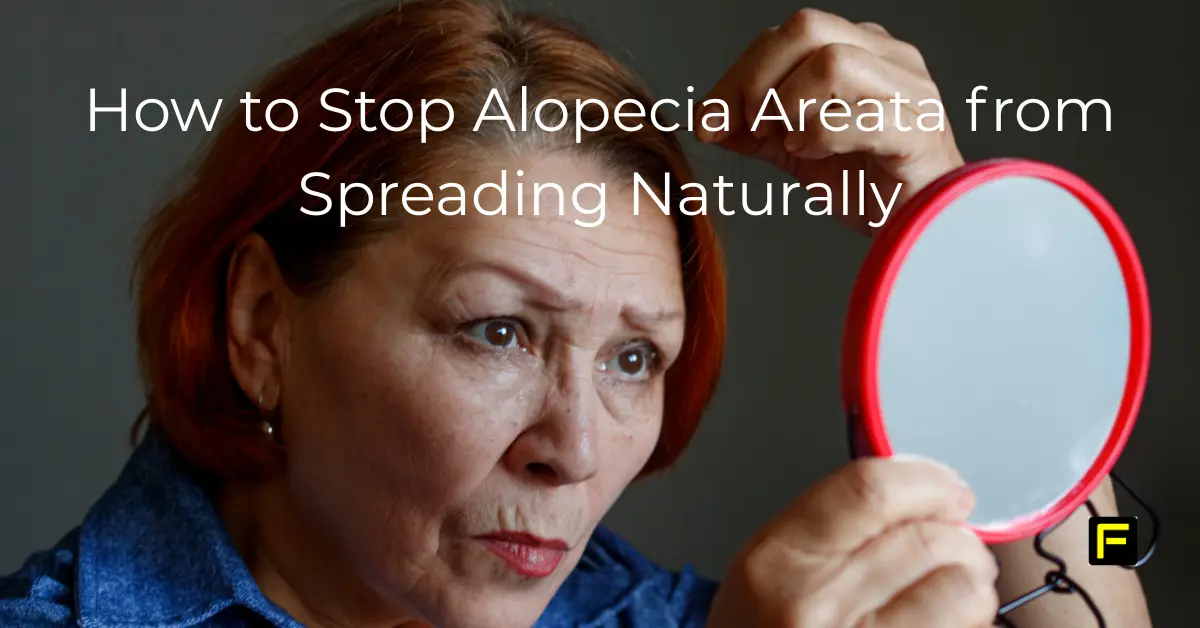
If you have ever looked in the mirror and noticed a patch of missing hair that was not there last week, you know the particular kind of dread that comes with it. I am not a doctor, and I do not have alopecia areata myself. But over the years of running FitFab50.com, I have heard from dozens of women in their 50s and 60s who are navigating this condition quietly, often feeling like no one is talking about it.

That is exactly why I put this guide together.
I researched the current science, spoke with readers who have been managing this condition for years, and pulled together the most practical, natural strategies that women over 50 are actually using. If you are wondering how to stop alopecia areata from spreading naturally, this article will walk you through what the research says, what our community has tried, and how to build a realistic daily routine around it.
Medical Disclaimer: This content is for educational and informational purposes only and is not intended as medical advice. Always consult your healthcare provider or a board-certified dermatologist before beginning any treatment for alopecia areata or any other medical condition.
What Is Alopecia Areata, Exactly?
Alopecia areata is an autoimmune condition in which your body’s own immune system mistakenly attacks the hair follicles. It typically shows up as smooth, round patches of hair loss on the scalp, though it can affect eyebrows, eyelashes, and body hair as well.
Unlike pattern baldness, alopecia areata does not permanently destroy the hair follicle. That is actually hopeful news, because it means regrowth is often possible.
According to the Wimpole Clinic, alopecia areata affects roughly 2 percent of the worldwide population. For more than half of those affected, bald patches clear on their own within a year. But for others, the condition can progress and spread, and roughly 30 percent of people go on to develop more extensive loss.
Age and hormonal changes can make things more complicated. Many women first notice alopecia areata during or after menopause, when the immune system is already navigating a major shift. Understanding what is happening in your body is the first step to working with it rather than against it.
Why It Can Spread (And What Triggers That)
Before we talk about stopping the spread, it helps to understand what accelerates it. Alopecia areata is fundamentally driven by immune system activity, and anything that provokes inflammation or puts the immune system under stress can make things worse.
Common triggers our readers have identified include sudden emotional stress, illness, surgery, nutritional deficiencies, and dramatic dietary changes. Sleep deprivation is another big one that does not get enough attention.
Cleveland Clinic dermatologist Dr. Melissa Piliang notes that stress is not easy on the body, and there is growing evidence that it can seriously disrupt immune function. That connection between stress and autoimmune flares is something that almost every woman I have spoken with about alopecia confirms from personal experience.
8 Natural Strategies to Help Stop Alopecia Areata from Spreading
None of these approaches are a cure, and I want to be honest with you about that from the start. But they are backed by real research, and they are strategies that many women in our community have woven into their daily lives with meaningful results.
1. Prioritize an Anti-Inflammatory Diet
What you eat has a direct impact on how your immune system behaves. Researchers and hair specialists consistently point to anti-inflammatory eating as one of the most important foundations for managing alopecia areata.

Foods that may help calm immune overactivity include fatty fish like salmon and sardines, leafy greens like spinach and kale, berries, avocados, eggs, and walnuts. These are rich in omega-3 fatty acids, antioxidants, zinc, and vitamin D, all of which support healthy follicle function.
On the flip side, ultra-processed foods, refined sugars, and vegetable oils high in omega-6 fats are known to promote systemic inflammation. If your diet currently skews toward convenience foods, even modest changes in that direction can make a difference over time.
Quotable: “An anti-inflammatory diet is not a hair loss cure, but it is one of the most consistent things research links to slowing the spread of alopecia areata in women over 50.”
One reader, Linda from Ohio, told me she noticed significantly less shedding after six months of shifting to a Mediterranean-style eating pattern. “I did not expect it to work as quickly as it did,” she shared. “But my dermatologist was genuinely surprised at my next appointment.”
2. Take Stress Management Seriously
This one is not optional, and I say that with genuine care. Stress is one of the most well-documented triggers for autoimmune flares, including alopecia areata.

The problem is that discovering you have alopecia is itself stressful, which can create a frustrating cycle. Breaking that cycle requires building real, consistent stress-reduction practices into your week, not just telling yourself to relax.
Practices that our readers report helping the most include daily yoga, guided meditation apps, journaling, gentle walking in nature, and breathing exercises done before bed. Even 10 minutes of intentional breathing each morning can begin to lower cortisol levels over time. Speaking of movement, if you are looking for gentle ways to get more active, our 7-Day Fitness Kickstart for Beginners Over 50 is a great low-pressure place to start.
Quotable: “For women over 50 managing alopecia areata, stress reduction is not a wellness trend. It is a medical strategy.”
3. Try Scalp Massage with Essential Oils
Scalp massage on its own can improve circulation to the follicles, and when combined with the right oils, the benefits may go further. A notable study cited by Dr. Batras involved 86 patients with alopecia areata who were divided into two groups. One group massaged a blend of rosemary, lavender, thyme, and cedarwood essential oils mixed into jojoba and grapeseed carrier oils into their scalps daily. The other group used only the carrier oils.
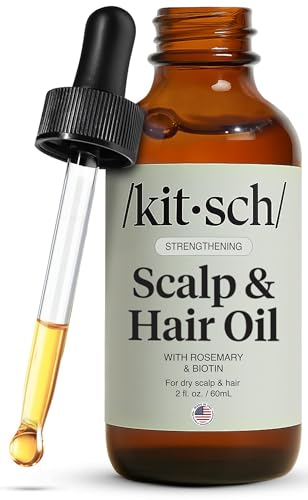
After seven months, 44 percent of those using the essential oil blend showed measurable hair regrowth, compared to just 15 percent in the control group. Those are meaningful numbers for a natural intervention.
If you want to try this yourself, mix two to three drops each of rosemary and lavender oil into a tablespoon of jojoba or grapeseed oil. Massage it gently into the affected areas for five minutes before washing your hair. Doing this three to four times per week gives the oils enough consistent contact time to potentially have an effect.
Quotable: “A seven-month clinical study found that 44 percent of alopecia areata patients who used a rosemary, lavender, thyme, and cedarwood essential oil blend showed measurable hair regrowth.”
4. Address Key Nutritional Deficiencies
Many women over 50 are running low on specific nutrients that are critical for immune regulation and hair health without even realizing it. Getting tested for vitamin D, zinc, iron (ferritin), and biotin is a smart first step.
Vitamin D deficiency in particular has been linked to autoimmune conditions, and many women in northern climates are deficient for much of the year. Zinc plays a direct role in follicle repair, and low ferritin levels have been connected to accelerated hair shedding in women. You may also want to look at your overall protein intake. Hair is made primarily of protein, and women over 50 often consume less protein than they need. Our guide to the best protein powders for seniors covers some excellent options if food alone is not getting you there.
Always check with your doctor before starting any supplement regimen, especially if you are on medications. But if you are deficient in one of these nutrients and correct it, you may notice meaningful changes in how your hair responds.
5. Be Gentle with Your Hair and Scalp
This one sounds simple, but it matters more than most people realize. Tight hairstyles like high ponytails, braids, and buns can create physical tension on already-vulnerable follicles, potentially accelerating shedding around the edges of existing patches.
Switch to loose hairstyles, use silk or satin pillowcases to reduce friction, and avoid heat styling tools as much as possible. When you do use heat, always apply a protective spray first.
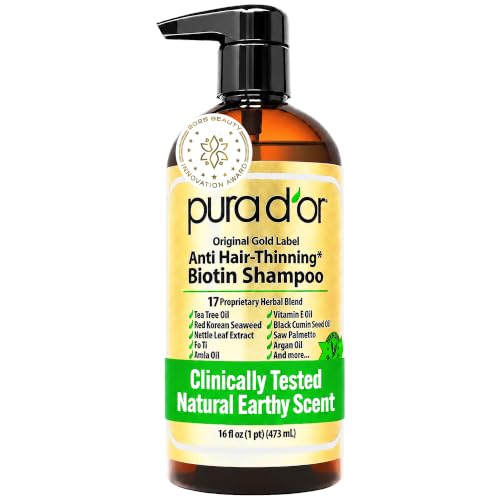
Choose shampoos that are sulfate-free and fragrance-free, since harsh detergents and synthetic fragrances can irritate a sensitized scalp. Several readers have had good experiences with products formulated for sensitive or thinning hair, particularly those containing biotin, caffeine, or saw palmetto.
6. Consider Onion Juice on the Scalp
I know this sounds like a folk remedy, but there is actually research behind it. Onion juice contains quercetin, a potent antioxidant with anti-inflammatory properties that may help reduce the immune activity attacking hair follicles.
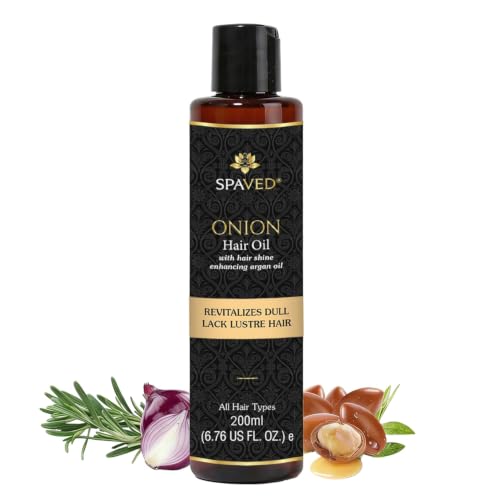
One small study found that patients who applied raw onion juice to their scalps twice daily for six weeks saw significantly better regrowth than those who used plain water. It is not comfortable or fragrant, but if you are in an active spread phase, it may be worth trying alongside other approaches.
Blend half an onion, strain out the juice, and apply it directly to affected areas using a cotton ball. Leave it on for 15 to 30 minutes before shampooing. Do this consistently for at least six to eight weeks to gauge results.
7. Get Your Sleep Dialed In
Sleep is when your immune system resets and your body repairs itself at the cellular level. Consistently poor sleep is one of the fastest ways to destabilize immune function and open the door to autoimmune flares.

Women over 50 often struggle with sleep quality due to hormonal shifts, anxiety, or simply having too much on their minds. If you are only getting five or six hours, working toward seven to eight is genuinely therapeutic for alopecia management, not just general health.
A wind-down routine that includes limiting screens after 8 p.m., keeping your room cool and dark, and doing five minutes of deep breathing before bed can meaningfully shift your sleep quality within a few weeks. Your follicles will thank you.
8. Quit Smoking If You Smoke
This one is straight from the research. The Wimpole Clinic lists quitting smoking as one of the best-proven, natural ways to manage alopecia areata. Smoking promotes systemic inflammation, restricts blood flow to the scalp, and adds oxidative stress that can trigger and worsen autoimmune activity.
If you currently smoke and have alopecia areata, this is one of the highest-leverage changes you can make for your hair and your overall health. It is not easy, but the benefits extend far beyond your scalp.
What About Products That May Help?
While the natural lifestyle strategies above form the foundation, there are some topical products that can complement them. Look for scalp serums or hair regrowth treatments that contain clinically studied ingredients like minoxidil (the only FDA-approved topical for hair loss), rosemary oil, caffeine, or saw palmetto.
If you are also dealing with scalp sensitivity or irritation alongside your alopecia, keeping your broader skincare routine gentle matters too. We have put together guides to the best daily moisturizer with SPF for women over 60 and must-have beauty products for women over 50 that can help you simplify and streamline what you are putting on your skin.
[AAWP PRODUCT BOX: rosemary scalp serum or hair regrowth treatment for women]
[AAWP PRODUCT BOX: biotin or hair supplement for women over 50]
When to See a Dermatologist
Natural strategies are valuable, and I fully support exploring them. But if your patches are spreading quickly, if new patches are appearing frequently, or if you have lost a significant portion of your hair, please do not delay seeing a board-certified dermatologist.
As of June 2022, there is now an FDA-approved medication for alopecia areata, and treatment options have expanded considerably since then. A dermatologist can help you understand whether your case warrants medical intervention, whether in combination with or instead of natural approaches.
Natural and medical are not opposites here. Many women manage alopecia areata most effectively with a combination of the lifestyle strategies above and appropriate medical treatment. There is no prize for going it alone.
What Our Readers Are Saying
I asked our FitFab50 community to share what has helped them most in managing alopecia areata naturally. Here is a sampling of what came back:
Marie, 58, from North Carolina: “Cutting out gluten and dairy was the single biggest change for me. My patches stopped expanding within about two months. I cannot say whether it will work for everyone, but it was dramatic for me.”
Teresa, 63, from Arizona: “Rosemary oil massages four times a week for three months, and I genuinely started to see little white hairs coming back in one of my patches. I cried. My dermatologist said to keep doing whatever I was doing.”
Sandra, 55, from Michigan: “The stress piece was the hardest to accept. I kept thinking I could just manage alopecia with products. Once I started treating stress like a medical issue, things genuinely changed.”
Patricia, 61, from Florida: “I added a vitamin D supplement and a zinc supplement after blood tests showed I was low in both. Within four months, I noticed less shedding overall. My derm said my levels were probably affecting my immune function.”
These are individual experiences, and they are not medical evidence. But they are real, and they point to the same themes the research does.
Frequently Asked Questions
Can alopecia areata stop spreading on its own?
Yes, it can. For more than half of people with alopecia areata, patches stop spreading and hair regrows without any treatment within a year. However, for others the condition does progress, which is why proactive management and regular monitoring with a dermatologist are important.
What vitamins help stop alopecia areata from spreading?
Vitamin D, zinc, biotin, and iron (in the form of ferritin) are most frequently cited in research related to alopecia areata and hair follicle health. Getting tested to identify actual deficiencies before supplementing is the smartest approach.
Does stress make alopecia areata worse?
Yes. Stress is one of the most well-documented triggers for autoimmune flares, including alopecia areata. Managing stress through consistent practices like yoga, meditation, and quality sleep is considered one of the most impactful natural interventions available.
Is rosemary oil good for alopecia areata?
Rosemary oil has shown promise in clinical research for stimulating scalp circulation and supporting hair growth. A study using a blend that included rosemary, lavender, thyme, and cedarwood oils found meaningful regrowth in 44 percent of participants over seven months.
Can diet really affect alopecia areata?
Research supports the connection between inflammation, immune function, and diet. An anti-inflammatory eating pattern that emphasizes omega-3 fats, antioxidants, zinc, and vitamin D may help reduce the immune activity that drives alopecia areata. It is not a cure, but it is a meaningful part of a natural management strategy.
How long does it take to see results from natural alopecia areata treatments?
Most natural approaches require consistency over several months before results become visible. Expect to give any strategy at least 90 days of consistent application before evaluating whether it is working. Hair regrowth is a slow process under any circumstances.
When should I see a doctor for alopecia areata?
See a board-certified dermatologist if patches are spreading rapidly, if you are developing new patches frequently, or if you have lost more than a small area of hair. FDA-approved medical treatments are now available, and early intervention often leads to better outcomes.
A Final Word
If you are in the thick of this right now, I want you to know that you are not alone and this is not your fault. Alopecia areata is an autoimmune condition, not a result of something you did wrong.
What I have learned from the women in our community is that the natural approaches that tend to work best are the ones that address the whole picture: what you eat, how you manage stress, how well you sleep, and how gently you treat your scalp. No single remedy does it all, but layering several of these strategies together creates a real foundation.
Start with one or two changes you can make this week. Build from there. And please work with your dermatologist rather than around them.
You are worth taking care of.
About the author

Claudia Faucher is a fitness and lifestyle blogger who shares practical tips for women over 50 on staying active, stylish, and confident. As the creator of FitFab50.com and Beyond59.com, she covers topics like workout gear, beauty trends, and wellness routines. Claudia is passionate about helping others live their best life at any age.
Last update on 2026-10-24 / Affiliate links / Images from Amazon Product Advertising API