
If you grew up being told that a daily shower was non-negotiable, you are not alone. For most of us over 50, showering every single day was just what you did — end of story. But dermatologists have been quietly pushing back on that assumption for years, and the science behind it is worth paying attention to, especially for women in midlife and beyond whose skin has genuinely changed.
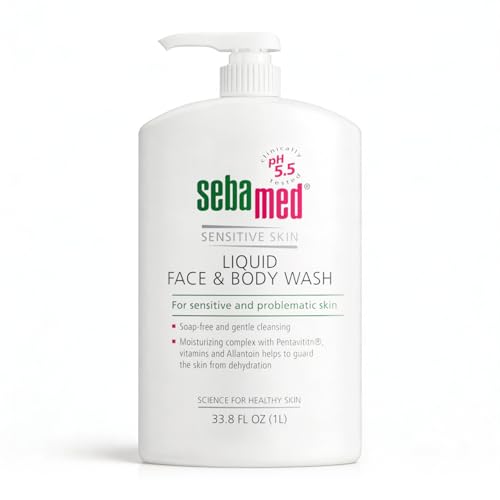
How often should adults shower? The answer is more personal than you might expect, and for women over 50 in particular, the default of showering every day may actually be doing your skin more harm than good.
Here is what the research says, what your skin needs, and how to find the right routine for your body and your lifestyle.

What Dermatologists Actually Recommend — and Why
The American Academy of Dermatology does not recommend daily showering as a universal standard. Most dermatologists suggest that showering two to three times per week is sufficient for the average healthy adult who is not doing heavy physical activity.

That recommendation surprises a lot of people, but it makes complete sense once you understand what happens to your skin every time you step under the water. Hot water strips away the natural oils your skin produces to maintain its barrier. Soap — even gentle soap — does the same.
The outermost layer of your skin, called the stratum corneum, is a carefully constructed barrier of skin cells and natural lipids that keeps moisture in and irritants out. Every shower disrupts it to some degree, and daily showering does not give it adequate time to recover.
Your skin also hosts a complex community of beneficial bacteria that protect against infection and inflammation. Daily washing with soap — especially antibacterial soap — disrupts that microbiome. Research increasingly shows that a healthy skin microbiome is protective, and over-washing undermines it consistently over time.
For women over 50 who are already dealing with drier, thinner skin due to declining estrogen, daily stripping of those oils accelerates moisture loss and can worsen conditions like eczema, itching, and that tight, uncomfortable feeling after bathing. Showering less is not about being clean. It is about being smart with what your skin actually needs.
How Often Should a Woman Shower After 50
For women over 50 specifically, this question deserves its own answer because our skin situation is genuinely different from what it was in our thirties and forties.

Estrogen decline during and after menopause directly affects skin hydration, barrier function, and oil production. The result is skin that is drier, more sensitive, and slower to recover from environmental stressors — including the stressor of daily hot showers.
Many women in this age group notice their skin becoming itchier, flakier, or more reactive without understanding why, and the daily shower habit is often a contributing factor nobody has mentioned.
Most dermatologists recommend that women over 50 aim for showering every other day as a baseline, with additional showers after any exercise that causes genuine sweating.
On non-shower days, a quick wipe-down of the face, underarms, and intimate areas with a warm, damp cloth keeps you feeling fresh without the full barrier-stripping effect of a shower. A good dry shampoo handles the hair side of things beautifully on in-between days.
How Often Should You Shower Based on Your Lifestyle

Showering frequency should be driven by what your body has been doing — not by the clock or the calendar. Here is a practical framework based on your actual lifestyle:
Two showers per week works well for women with a sedentary lifestyle, very dry or sensitive skin, those living in a cool climate, or anyone dealing with eczema or other inflammatory skin conditions that worsen with frequent washing.
Three showers per week is the right baseline for most women — enough to feel genuinely clean and socially comfortable, without the daily stripping that compromises the skin barrier.
Four to five showers per week makes sense if you exercise regularly, live in a warmer or more humid climate, or work in a physically demanding job. There is nothing wrong with this frequency as long as you are using gentle products and moisturizing well afterward.
Daily showering is reasonable if you have an active lifestyle with daily sweaty workouts, or if you personally feel uncomfortable without it. The key adjustments are shorter showers, cooler water, and immediate moisturizing applied while the skin is still slightly damp.
If you exercise regularly, shower after workouts that leave you genuinely sweaty regardless of where that falls in your weekly schedule. Sweat creates a warm, moist environment where bacteria thrive — that is what causes odor and skin irritation.
For lighter activity like walking or gentle stretching, a quick washcloth wipe of key areas is often enough. You can find more on managing heat and sweat during outdoor exercise in our guide to tips for running in high temperatures.
The Mental Benefits of Not Showering Every Day
This one surprises people, but it is real and worth acknowledging. Releasing yourself from the obligation of a daily shower — especially on busy, stressful, or low-energy days — removes a small but genuine source of daily pressure. For women navigating the fatigue that can accompany perimenopause or postmenopause, the mental relief of not having one more thing to do can be meaningful.
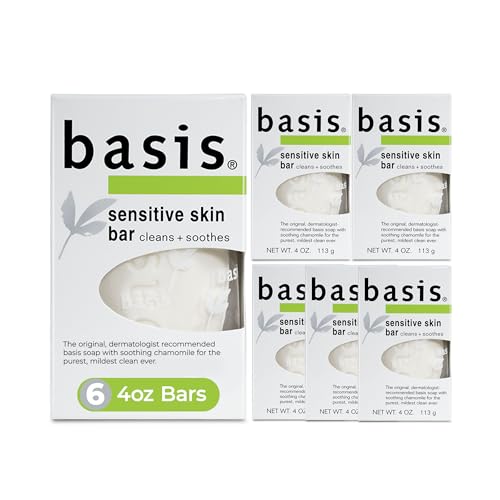
There is also something to be said for reconnecting with a more intuitive relationship with your body. Showering when you actually need to — after a workout, on a particularly warm day, before an important event — rather than out of rote habit puts you back in the driver’s seat of your own routine. That shift from automatic to intentional is a small thing, but it accumulates.
How Often Should You Shower in Winter
Winter is the season when dialing back shower frequency makes the most obvious sense. Cold air holds less moisture than warm air, central heating dries indoor air further, and the result is skin that is already under stress before you step into a hot shower.

In winter, most dermatologists recommend showering no more than every other day for women over 50, and using lukewarm rather than hot water when you do. Hot water is the bigger villain in winter dryness — it strips oils faster and more aggressively than cooler water, and the contrast between a hot shower and cold dry air makes the moisture loss even more pronounced.
If your skin is particularly dry or reactive during the coldest months, increasing your use of a rich body lotion for crepey skin applied immediately after toweling off can make a visible difference within a week or two.
How Often Should You Bathe Versus Shower
Baths are a slightly different conversation. A warm — not hot — bath with soothing additives like colloidal oatmeal, Epsom salts, or a few drops of a skin-supporting oil can actually be beneficial for dry and sensitive skin in ways that showers are not. The key word is warm. A hot bath is just as stripping as a hot shower.
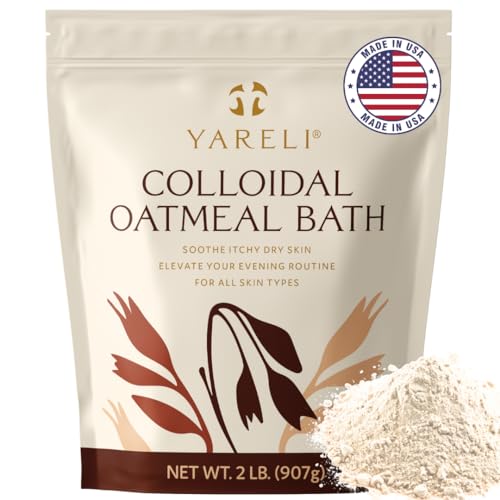
If you prefer baths, the same general frequency guidance applies: two to three times per week is plenty for most adults. The temperature and what you add to the water matter more than the tub-versus-shower distinction.
Making the Most of Every Shower
When you do shower, how you shower matters almost as much as how often. A few small adjustments can protect your skin rather than work against it.

Start with the water temperature. Lukewarm is the goal — not the scalding hot shower most of us default to on autopilot. Hot water is genuinely the biggest villain when it comes to post-shower dryness, and making this one change makes a noticeable difference faster than you would expect. Keep the shower to five to ten minutes. The longer you are in there, the more your skin’s natural oils go down the drain.
When it comes to soap, reach for a gentle, fragrance-free body wash with moisturizing ingredients rather than a bar soap. Bar soaps tend to have a higher pH and strip the skin more aggressively — a liquid formula with hydrating ingredients does the cleaning job without the collateral damage. When you get out, pat rather than rub, and do not wait to moisturize. Within two to three minutes of toweling off — while the skin is still slightly damp — is when a moisturizer does its best work. A formula with ceramides and hyaluronic acid is ideal for women over 50. Our picks for the best ceramide moisturizers for women over 50 are a good place to start if you need a recommendation.
FAQ
How often should adults shower?
Most dermatologists recommend healthy adults shower two to three times per week as a baseline, adjusting upward based on activity level, climate, and personal preference. Daily showering is not medically necessary for most people and can contribute to dry, irritated skin — especially for women over 50.
How often should a woman shower?
For women over 50, every other day is a reasonable starting point, with additional showers after workouts or on days you genuinely need one. The key is listening to your body rather than following a rigid daily habit that may not be serving your skin.
What are the benefits of not showering every day?
Skipping daily showers preserves your skin’s natural oil barrier, supports a healthy skin microbiome, reduces dryness and irritation, and — for women over 50 with already-compromised skin — can meaningfully improve skin comfort and appearance within a few weeks of adjusting the habit.
What are the mental benefits of not showering every day?
Releasing the obligation of a daily shower removes a low-grade source of daily pressure and allows for a more intentional approach to personal hygiene. For women dealing with the fatigue of midlife, it is one less non-negotiable on the daily list.
How often should you shower in winter?
Every other day is the recommended frequency for most women over 50 during winter months, when cold air and indoor heating already stress the skin barrier. Use lukewarm rather than hot water and apply a rich moisturizer immediately after every shower.
How many times a week should you shower?
Two to three times per week is the dermatologist-recommended baseline for most healthy adults. Active women who exercise regularly may find three to five times per week more comfortable. Daily showering is fine if adjusted with shorter duration, cooler water, and consistent post-shower moisturizing.
Does showering every day damage your skin?
It can, particularly for women over 50. Daily hot showers strip the skin’s natural oils and disrupt the microbiome, which can lead to dryness, itching, flaking, and increased sensitivity. Cooler water, gentler products, and immediate post-shower moisturizing reduce but do not eliminate that effect.
Is it better to shower in the morning or at night?
Honestly, neither is definitively better — it comes down to your skin type and your routine. Morning showers rinse off oils and sweat that accumulate overnight and can feel genuinely energizing as a way to start the day. Evening showers remove the day’s buildup of pollutants, sunscreen, and sweat before you press your face into a pillowcase for eight hours, which is a real benefit for skin health. If you are showering two to three times per week, the timing matters less than the consistency — choose whichever slot you will actually stick to.
How often should older adults shower?
Adults over 65 may find that twice a week is sufficient, particularly if mobility is a consideration or if skin becomes very dry and fragile with age. For older adults with sensitive or thin skin, less frequent washing with warm water and gentle products is the kinder approach.
The Bottom Line
The idea that adults need to shower every single day is a cultural habit, not a medical requirement. For women over 50 whose skin is drier, thinner, and more reactive than it was twenty years ago, dialing back shower frequency — and adjusting how you shower when you do — is one of the simplest and most effective changes you can make for your skin health.
Two to three times per week is where most dermatologists land for the average healthy adult. Start there, adjust based on your activity level and how your skin responds, and do not feel guilty about the days in between.
Medical Disclaimer: The information on this page is for educational purposes only and is not intended as medical advice. Consult your physician or a dermatologist if you have specific skin conditions or concerns about your hygiene routine.
About the author

Claudia Faucher is a fitness and lifestyle blogger who shares practical tips for women over 50 on staying active, stylish, and confident. As the creator of FitFab50.com and Beyond59.com, she covers topics like workout gear, beauty trends, and wellness routines. Claudia is passionate about helping others live their best life at any age.
Last update on 2026-04-12 / Affiliate links / Images from Amazon Product Advertising API