If you have been paying attention to skincare headlines lately, you may have noticed a name popping up more and more: Parsol Shield sunscreen filter. And honestly, the buzz is completely justified.

For the first time in more than 25 years, the U.S. is on the verge of approving a brand-new active sunscreen ingredient. That is a big deal — especially for women over 50 who are serious about protecting their skin.
What Is Parsol Shield?
Parsol Shield is the trade name for a UV filter called bemotrizinol (abbreviated BEMT). It is manufactured by global ingredient company dsm-firmenich, and it has been quietly doing its job in sunscreens sold in Europe, Australia, Japan, and 55 other countries for decades.
The reason you have never seen it in your American sunscreen is simple: the U.S. FDA has not approved it here. Until now, that is about to change.
Why Has It Taken So Long?
This is where the story gets a little frustrating. The U.S. sunscreen market currently allows only 16 approved UV filters, compared to roughly 27 available in Europe. The last new active sunscreen ingredient added to the U.S. Over-the-Counter (OTC) monograph was avobenzone, back in 1999.
That is not a typo. 1999.
For 25 years, American consumers have been working with the same limited list while the rest of the world moved forward. Parsol Shield has been the global gold standard for UV filtering in many high-performance formulas, and Americans simply could not access it in domestic products.
What Makes It Different From What We Already Have?
Great question, and this is where Parsol Shield really stands out.
It Is Genuinely Broad-Spectrum
Most UV filters are either good at blocking UVB rays (the ones that burn) or UVA rays (the ones that age and damage deep skin layers), but rarely both equally. Parsol Shield is a true broad-spectrum filter, covering the full range of UVA and UVB wavelengths efficiently, and it does so at lower concentrations than competing filters.
For women over 50, that matters enormously. UVA rays are the primary driver of the fine lines, dark spots, and loss of elasticity that become more visible as our skin ages. You want a filter that takes both threats equally seriously.
It Is Photostable
Here is something many women do not realize: some sunscreen ingredients actually break down when exposed to sunlight. Avobenzone, one of the most common UVA filters in U.S. sunscreens, is notoriously unstable and can degrade within an hour of sun exposure unless it is paired with stabilizing ingredients.
Parsol Shield does not have this problem. It is highly photostable, meaning it holds its protective properties throughout the day without degrading. It also helps stabilize other UV filters like avobenzone when they are used together, making the entire formula more effective.
It Stays on the Surface of Your Skin
One concern many women have about chemical sunscreen ingredients is how much gets absorbed into the body. In FDA-required maximal usage trials, bemotrizinol showed minimal systemic absorption. Of 299 plasma samples tested, only 13 showed any quantifiable levels of the ingredient.
This comes down to molecular size. Parsol Shield has a large molecular structure, which limits how much can penetrate through the skin barrier and enter the bloodstream. For women who have been cautious about chemical sunscreens for this reason, that is genuinely good news.
It Feels Better on Skin
If you have ever skipped sunscreen because it left a white cast, felt greasy, or just sat uncomfortably on your skin, you are not alone. This is one of the main reasons people do not apply enough or reapply as often as they should.
Parsol Shield allows formulators to create lighter, more elegant textures without sacrificing protection. For women with mature skin, this is a game-changer. A sunscreen that actually feels good to wear is a sunscreen you will actually use.
Where Does FDA Approval Stand Right Now?
As of early 2026, the FDA has proposed approving Parsol Shield at a maximum concentration of six percent for use in OTC sunscreen products. A final order is expected by summer or fall of 2026, with 18 months of market exclusivity granted to dsm-firmenich as the sponsoring company.

Consumer products from major sunscreen brands could begin appearing on U.S. shelves before the end of 2026. The American Academy of Dermatology has called this a long-overdue step for skin cancer prevention, and dermatologists across the country have echoed that enthusiasm.
Given that skin cancer is the most commonly diagnosed cancer in the U.S., and that more than two Americans die from it every hour, that enthusiasm is well placed.
Why This Matters Specifically for Women Over 50
Our skin changes significantly after menopause. Estrogen decline accelerates collagen loss, the skin barrier becomes thinner, and sun damage that accumulated over decades begins showing up more visibly as age spots, texture changes, and deeper lines.
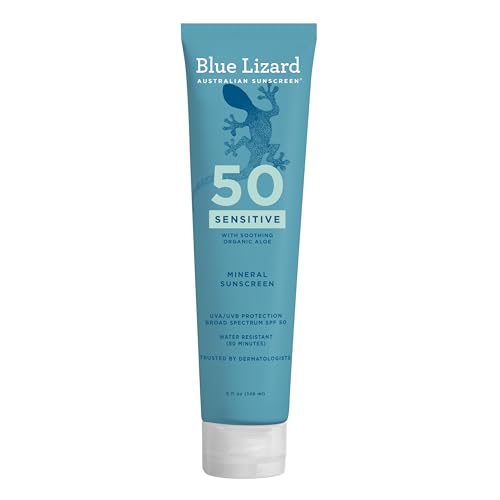
Consistent, effective sun protection is one of the most powerful tools we have to slow that process. Studies suggest that regular sunscreen use can reduce the risk of developing melanoma by up to 50 percent. That is not a small number.
If you have already noticed signs of cumulative sun damage, take a look at our guide to the best products for sun damaged skin on face alongside the sunscreen options below.
The Best Sunscreens for Women Over 50 Right Now
Parsol Shield is not on U.S. shelves yet. But that does not mean you should wait to protect your skin.
These are the formulas I trust most for mature skin right now. Each one was chosen because it delivers the traits Parsol Shield promises: broad-spectrum coverage, a photostabilized formula, and a texture that mature skin actually enjoys wearing. If you prefer your SPF combined with light coverage, jump down to the note on tinted options at the end of this section.
EltaMD UV Clear Broad-Spectrum SPF 46
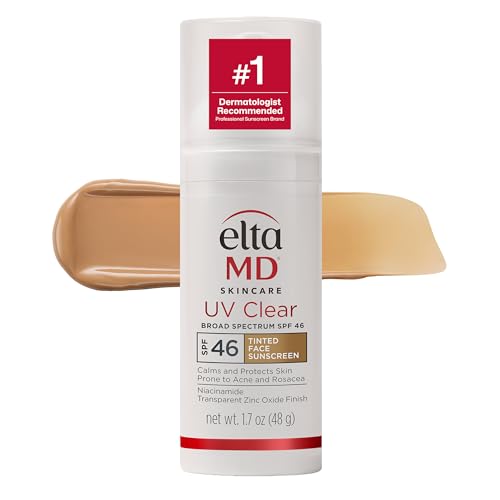
The dermatologist recommendation that has earned its reputation. EltaMD UV Clear layers zinc oxide with niacinamide, giving you UV protection and active skin-barrier support in one lightweight formula. It goes on completely clear, sits beautifully under makeup, and does not sting or pill. It is also water-resistant for 40 minutes, which makes it a solid choice for morning walks, gardening, or any activity where you work up a light sweat. Available in tinted and untinted versions.
La Roche-Posay Anthelios Melt-In Sunscreen Milk SPF 60
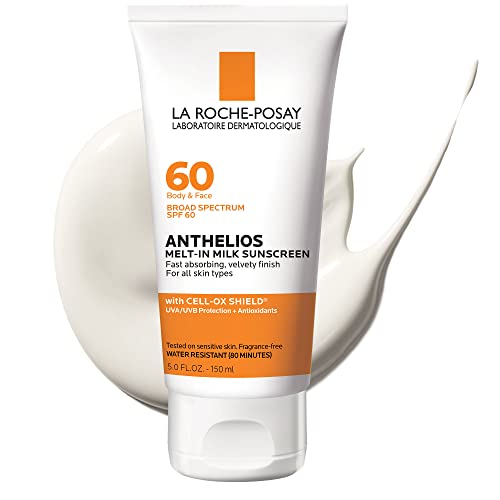
La Roche-Posay is the same brand whose French formulas already contain bemotrizinol. Their U.S. Anthelios line uses a photostabilized chemical formula that is as close as you can get domestically to that European-standard performance. It is water-resistant for 80 minutes, making it the pick in this list for swimmers, beach days, or high-perspiration outdoor activities. Fragrance-free and deeply comfortable on dry and combination skin.
Supergoop! Unseen Sunscreen SPF 40
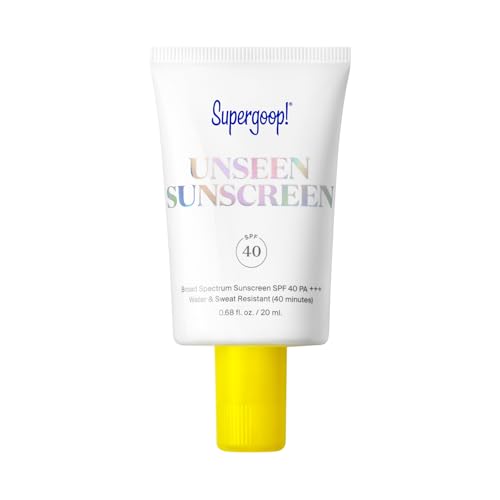
If sunscreen texture is the reason you skip it, this one changes the conversation. It applies completely invisible, feels like a weightless primer, and disappears under any foundation. SPF 40 broad-spectrum coverage with a photostabilized formula that holds up through a full day of wear. Best suited for everyday low-exposure use rather than extended outdoor activity.
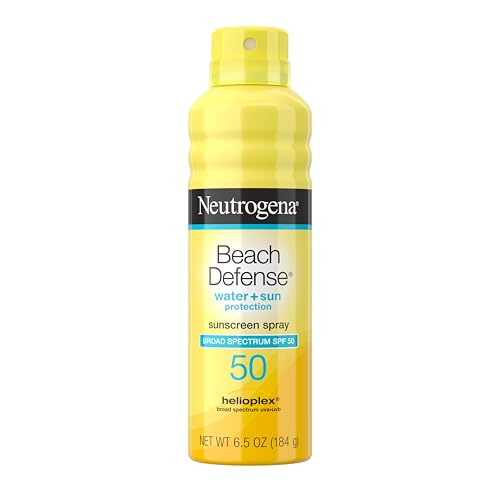
Neutrogena Age Shield Face Sunscreen SPF 100
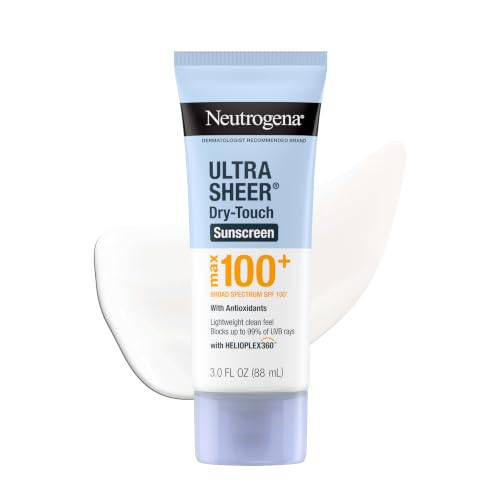
Built specifically with the anti-aging concern in mind. The very high SPF delivers serious UVB cushion, and the Helioplex photostabilization technology addresses the same degradation problem Parsol Shield solves more elegantly. A reliable everyday option at a price point that is hard to argue with.
CeraVe Hydrating Sunscreen SPF 50 Face Lotion
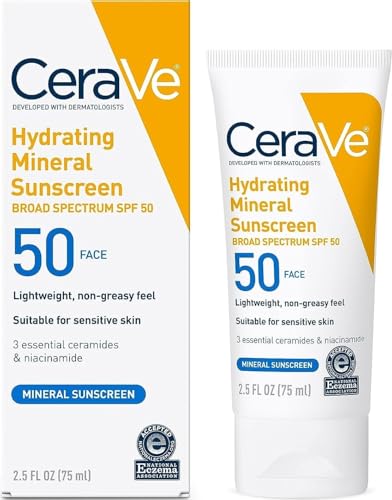
For women with dry or very sensitive mature skin, a mineral-first formula is often the wisest choice. This one pairs zinc oxide and titanium dioxide with CeraVe’s ceramide complex, supporting the skin barrier while it protects. No white cast on lighter skin tones, no fragrance, and no fuss.
If you prefer your daily SPF paired with light coverage, our guide to the best tinted moisturizer with SPF for mature skin walks through the best two-in-one options for women over 50. For a complete sunscreen-to-skincare routine, the best daily moisturizer with SPF for women over 60 is also worth bookmarking.
For a deeper look at matching sunscreen to your specific skin type, see our full guide to the best sunscreen for seniors with sensitive skin.
What Should You Do Right Now?
Do not wait for the perfect sunscreen to start protecting yourself. The best sunscreen is still the one you will actually apply consistently. Look for a broad-spectrum SPF 30 or higher with good UVA coverage, and commit to wearing it every single day.
Once FDA-approved Parsol Shield products begin appearing on shelves, I will be reviewing and recommending the best options right here on FitFab50. If you have noticed dark spots or rough patches from years of accumulated sun exposure, our guide to actinic keratosis treatment at home is also worth reading alongside your sunscreen routine.
Frequently Asked Questions
What is Parsol Shield made of?
Parsol Shield is the brand name for bemotrizinol (BEMT), a synthetic UV filter developed by dsm-firmenich. It has a strong environmental and safety profile and is not derived from chemicals associated with coral reef damage.
Is Parsol Shield safe to use?
Yes. It has been approved and widely used in more than 58 countries for decades. FDA clinical testing confirmed minimal systemic absorption, and it has not shown meaningful safety concerns in any trials conducted to date.
When will Parsol Shield sunscreens be available in the U.S.?
The FDA is expected to issue a final approval order by summer or fall 2026. Consumer products could begin appearing on shelves within months after that order is finalized.
Can I buy sunscreens with Parsol Shield right now?
Some imported European and Australian sunscreen brands sold through specialty retailers already contain bemotrizinol. These are not regulated as OTC sunscreens under U.S. domestic rules, but they are available through import channels for those who want to try the ingredient ahead of domestic approval.
Does Parsol Shield replace mineral sunscreens like zinc oxide?
No. Parsol Shield works alongside both chemical and mineral filters and actually enhances the stability of other ingredients in a formula. It is an addition to the sunscreen toolkit, not a replacement for what already works.
Why should women over 50 pay attention to this?
Because mature skin is more vulnerable to UV-related damage, pigmentation shifts, and accumulated skin cancer risk. Having access to more effective, more wearable sun protection directly supports the skin health priorities of women in this stage of life. When sunscreen feels good, we wear it. Every day.
Medical Disclaimer: This article is for informational purposes only and does not constitute medical advice. Please consult your dermatologist or healthcare provider with questions about sun protection and skin cancer screening.
About the author

Claudia Faucher is a fitness and lifestyle blogger who shares practical tips for women over 50 on staying active, stylish, and confident. As the creator of FitFab50.com and Beyond59.com, she covers topics like workout gear, beauty trends, and wellness routines. Claudia is passionate about helping others live their best life at any age.
Last update on 2026-08-25 / Affiliate links / Images from Amazon Product Advertising API