
I have a soft spot for water aerobics. There is something genuinely joyful about being in the water with music playing and everyone moving together. Nobody is watching the clock. Nobody is comparing themselves to anyone else.
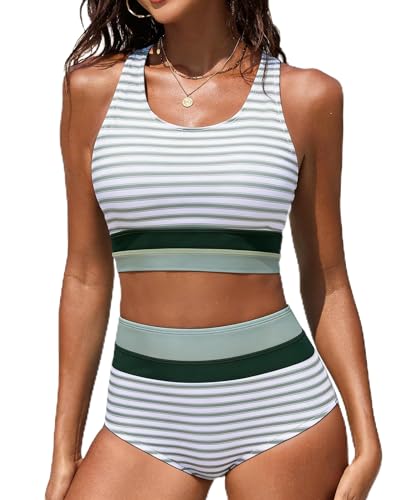
It is welcoming, it is effective, and for women over 50 it is one of the smartest workouts you can do for your body.
But here is the thing nobody warns you about when you sign up for your first class: an ordinary swimsuit was not designed for water aerobics swimsuits for women over 50 level of activity. An hour of jumps, kicks, leg lifts, and arm resistance moves in a chlorinated pool will expose every weakness in a standard bathing suit.
It shifts. It bags out in the seat. The straps slide off your shoulders at the worst possible moments. And the chlorine destroys the fabric in a matter of months.
The right suit changes everything. It stays where you put it, keeps its shape wash after wash, and lasts through a full season of regular classes. That is what this guide is about.
Why Water Aerobics Is So Good for Women Over 50
Before we get to the suits, I want to say something about the workout itself, because if you have not tried water aerobics yet, I hope this nudges you.

Water provides roughly 12 times more resistance than air. That means every move you make in the pool is working your muscles against real resistance, without any of the joint stress that comes with land-based cardio or strength training.
Your knees, hips, and spine get a break while your muscles are working hard. That combination is rare and genuinely valuable as we get older.
The buoyancy of water also reduces your effective body weight by up to 90% when you are submerged to the neck. If you have arthritis, bad knees, or are recovering from an injury, water aerobics may be the only vigorous workout that feels pain-free. That is not a small thing.
The CDC recognizes water-based exercise as one of the most beneficial low-impact activities for adults with arthritis and joint conditions. Research points to improvements in strength, flexibility, and aerobic capacity with significantly less pain than land-based exercise. If you are easing back into exercise after a long break, my guide to low impact exercises for seniors covers several other options worth knowing about.
And then there is the social side, which I think gets underrated. Water aerobics classes tend to attract warm, funny, real women who are there to feel good and have a good time. The community is part of the benefit.
What Makes a Swimsuit Right for Water Aerobics?
Not every swimsuit is up to the job. Here is what to look for before you buy.
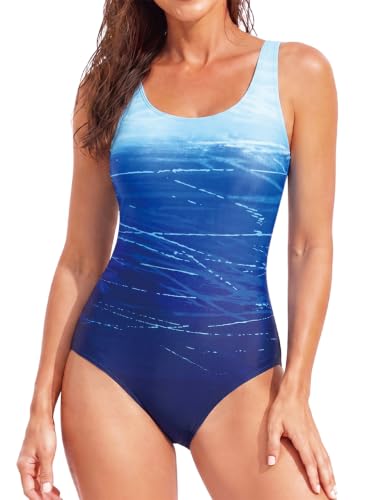
Secure fit that does not shift. The number one complaint I hear from women in water aerobics classes is that their suit moves around during exercise. A top that rides up, a bottom that bags in the seat, straps that slide off the shoulder — all of it is distracting and uncomfortable during an active class.
Racerback designs tend to stay in place better than adjustable spaghetti-strap styles during vigorous movement. A snug but not constricting fit through the torso is what you are aiming for.
Chlorine resistance. This is the most important spec and the one most women do not think about until their favorite suit is ruined after a single season. Standard swimwear is made with spandex, also called elastane, which chlorine degrades quickly.

The fabric loses elasticity, the colors fade, and the suit starts to feel loose and papery in a matter of months with regular pool use. Look for suits made with PBT fiber, which stands for polybutylene terephthalate.
Speedo’s Endurance+ line and TYR’s Durafast line both use chlorine-resistant fabrics engineered specifically to hold up through repeated pool exposure. A suit in one of these fabrics will outlast a standard suit by two to three seasons under the same conditions.
For women over 50 who attend water aerobics three times per week, a chlorine-resistant swimsuit in Speedo Endurance+ or TYR Durafast fabric will outlast a standard spandex suit by two to three full seasons with proper rinsing and care.
Supportive construction. Water aerobics involves a lot of movement in a lot of directions. A suit with built-in molded cups or a power mesh lining provides the bust support you need without a separate sports bra underneath.

Avoid suits with loose foam padding — foam absorbs water, adds weight, and shifts around. Molded cups hold their shape and their position throughout class.
Comfortable leg openings. High-cut legs can look great but dig in painfully during an hour of kicks and jumps. A moderate leg cut with soft, flat-sewn elastic at the opening stays comfortable through a full class without leaving marks on your skin.
Quick-dry fabric. You are probably not going home immediately after class. A quick-dry fabric means you can throw on your clothes, run errands, stop for coffee, and not feel damp and uncomfortable the whole time.
UPF rating if you swim outdoors. Outdoor pools combine direct sun with reflective water — a double dose of UV exposure during every class. A UPF 50+ rated suit adds meaningful protection for your torso and arms. I cover the full details on sun-protective swimwear in my guide to UV protection swimsuits for women over 50.
The Best Water Aerobics Swimsuits for Women Over 50
I selected these picks based on fabric performance, fit security during active movement, bust support, and how well they hold up through repeated chlorine exposure. The roundup covers a range of styles, coverage levels, and price points.
Speedo Women’s Endurance+ Aquatic Fitness One-Piece
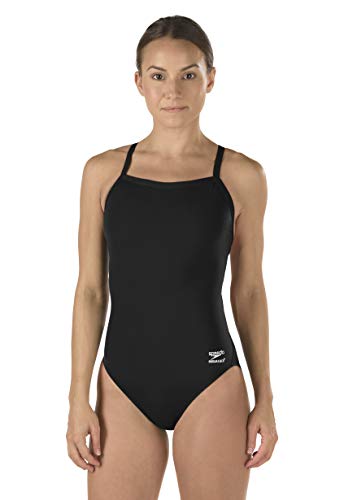
Speedo Endurance+ is the benchmark for pool fitness swimwear and this suit earns that reputation. The fabric resists chlorine, UV rays, and pilling. Speedo tests it to retain its shape after 300 hours of chlorine exposure — far longer than any standard suit.
The racerback cut stays locked in place during jumping and resistance moves. The moderate leg cut avoids the digging-in problem of high-cut styles.
This is my top recommendation for women who swim or do water aerobics regularly. Sizes run true to Speedo’s usual sizing — check their chart if you are between sizes.
TYR Women’s Durafast Elite Solid Controlfit One-Piece
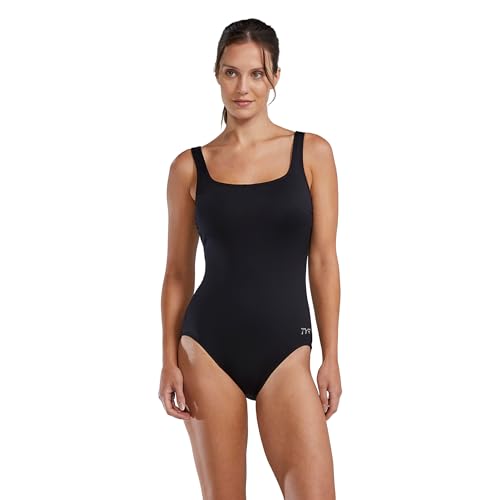
TYR’s Durafast Elite fabric is the other top-tier chlorine-resistant option and gives Speedo real competition. The Controlfit cut provides tummy control through a compression panel in the front. The back stays open enough for full arm movement.
Women who find Speedo’s cuts too narrow through the hips consistently report that TYR fits better for their body type. The colors stay vivid through season after season of pool use. Worth trying if Speedo has not worked well for you in the past.
Miraclesuit Women’s Razzle Dazzle Regatta One-Piece
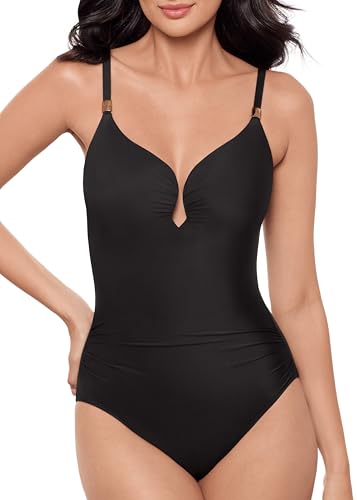
For women who want maximum tummy control and shaping alongside genuine athletic function, Miraclesuit’s construction is hard to beat. The inner power mesh lining holds everything in firmly without feeling like a vice, and the suit is cut to stay put during active movement.
It is not a dedicated chlorine-resistant fabric like Speedo Endurance+. If you are in the pool three or more times a week, rotate it with a Durafast or Endurance+ suit to extend its life.
For twice-a-week classes it is an excellent choice. Miraclesuit runs small — size up at least one size.
Zip-Front One-Piece Swimsuit for Active Women
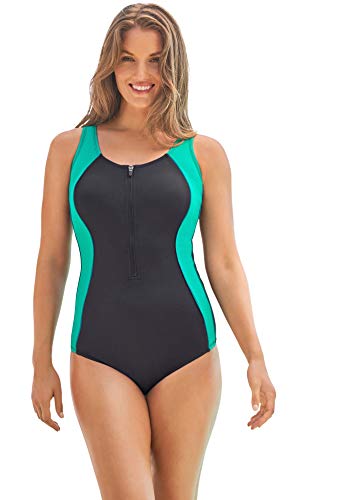
A zip-front one-piece is one of those practical choices that becomes a favorite fast. The front zipper makes getting in and out of the suit dramatically easier — especially welcome after a sweaty class when wet fabric clings.
Many women over 50 also find the zipper eliminates the awkward shoulder-strap wrestling that comes with pulling a standard one-piece up and over. Look for a version with a secure clasp at the top of the zipper so it does not slip down during class. Fits vary by brand, so read the size reviews before ordering.
Active Tankini Set for Water Aerobics
If you prefer a two-piece for ease of bathroom use, a properly fitted active tankini is a solid option for water aerobics — with one condition. The top must fit snugly enough through the hem and torso to stay put during movement.
A loose or flowy tankini top will ride up continuously during jumping exercises and become more distraction than suit. Look for a tankini marketed specifically for active use, with a wide, firm band at the hemline. Pair it with a higher-waisted bottom for the best coverage and security during class.
Skirted One-Piece with Built-In Shorts for Water Aerobics
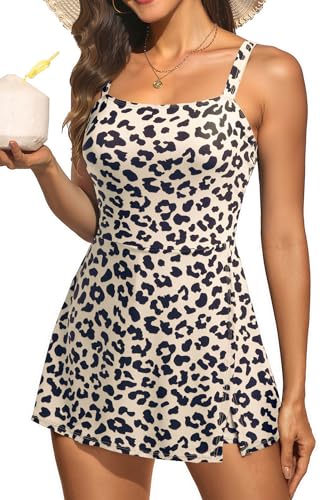
Some women simply prefer more coverage over the thighs in a class setting, and a skirted one-piece with built-in shorts delivers that without sacrificing function. The shorts underneath are what matter most for water aerobics — they stay in place during kicks and leg lifts in a way that a loose skirt panel alone would not.
The skirt sits over the top and moves naturally in the water. A good option if you feel self-conscious in a standard one-piece cut, or if you want the modest look of a swim dress with the security of a fitted suit underneath.
Budget Pick: Chlorine-Resistant One-Piece Under 35 Dollars
You do not have to spend a lot to get a suit that holds up in the pool. This well-reviewed option carries a chlorine-resistant fabric designation and solid ratings from regular pool swimmers.
It is not Speedo Endurance+ level durability, but for twice-a-week classes it performs well above a standard fashion swimsuit at this price. Read the sizing reviews carefully before ordering as cuts can vary significantly between brands at this price point.
Premium Pick: Lands’ End Women’s Chlorine-Resistant Tugless Tank One-Piece
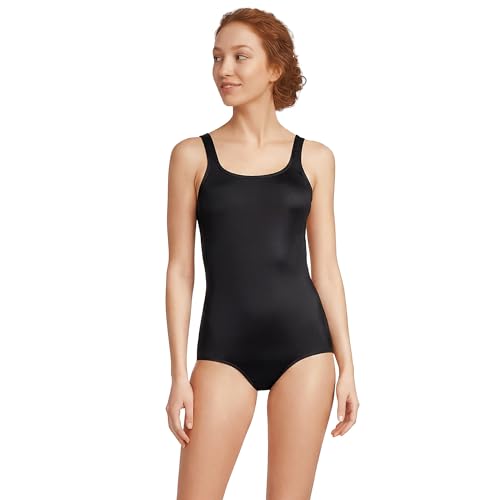
Lands’ End’s Tugless Tank is named for exactly the right reason — it does not ride up. The suit is cut specifically to stay in place during active movement. The longer torso length works well for taller women and anyone who struggles to find a suit that covers everything.
The chlorine-resistant fabric holds its shape and color reliably. Lands’ End’s size range is among the most inclusive available, running from 2 to 26W. A premium pick that combines genuine athletic function with a flattering, feminine cut.
What to Wear to Water Aerobics Besides the Suit
A few extras that make a real difference in your class experience.
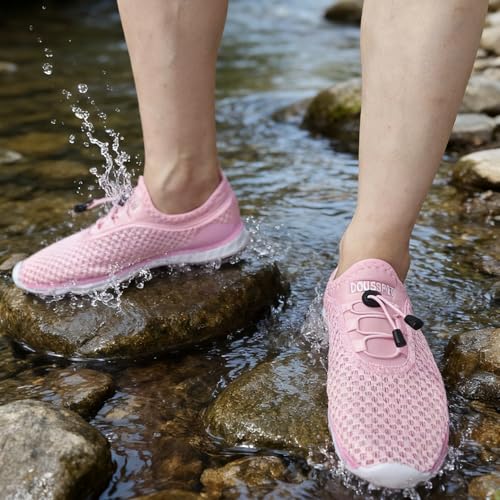
Water shoes or aqua socks. Pool floors are slippery, and many water aerobics classes involve jumping and lateral movement on the bottom of the pool. Water shoes provide grip and protect your feet. They also cushion against the hard pool floor during high-impact moves, which matters for women managing plantar fasciitis or general foot sensitivity.
A swim cap if your facility requires one. Many indoor pools require caps for hygiene. If yours does, choose silicone over latex. Silicone is gentler on your hair, more comfortable to wear, and easier to get on and off. It also lasts longer.
A rash guard top if you run cold. Pool temperatures vary widely and some facilities keep their pools cooler than you might expect. A lightweight rash guard worn over your suit keeps your core warmer without restricting arm movement during class. Look for a snug-fitting short-sleeve style that does not billow in the water.

A proper mesh swim bag. Stuffing a wet suit into a plastic bag is one of the fastest ways to shorten its life. A mesh bag lets the suit breathe and air out on the drive home. That stops the fabric breakdown that happens when chlorine-soaked material sits damp and compressed.
How to Make Your Water Aerobics Swimsuit Last
The right care habits extend your suit’s life significantly. For a suit you are wearing three times a week, this matters.

Rinse immediately after every class in cool fresh water. Do not leave a chlorine-soaked suit sitting in your bag, even for a few hours. Chlorine continues breaking down elastane fibers after you leave the pool.
Rinsing it out right away is the single most effective thing you can do to extend your suit’s life. I go into more detail on washing and caring for swimwear in my guide on whether you should wash your swimsuit after every use.
Hand wash or use a delicate machine cycle in a mesh laundry bag with a gentle swimwear detergent. Regular laundry detergent contains enzymes and brighteners that strip elasticity from swimwear fabric. A dedicated swimwear wash or even a small amount of baby shampoo is gentler and more effective.
Never put your suit in the dryer. Heat breaks down elastic fibers faster than almost anything else. Lay your suit flat on a clean towel to dry, out of direct sun if possible. Yes, even the sun degrades fabric with prolonged exposure.

Rotate between two suits if you swim three or more times per week. Swimsuit fabric needs at least 24 hours to fully recover its elasticity between uses.
If you wear the same suit every day, you are compressing its lifespan significantly. Two suits worn in rotation will each last nearly twice as long as a single suit worn daily.
Know when to replace it. Fabric that feels loose or papery when stretched is a clear sign. So is a seat that bags after a few minutes in the water, noticeable color fading, or a suit you can see through when it is stretched flat. A worn-out suit is not supporting you the way it should during class.
Proper storage matters just as much as washing. My guide to the best way to store bathing suits has a few habits worth adding to your routine, especially if you are rotating between two suits.
Frequently Asked Questions
What is the best type of swimsuit for water aerobics?
A chlorine-resistant one-piece with a racerback or athletic cut is the best swimsuit for water aerobics. The one-piece silhouette stays in place during active movement. The racerback keeps straps off your shoulders and prevents slipping. Chlorine-resistant fabric such as Speedo Endurance+ or TYR Durafast holds up through repeated pool use without bagging out or fading. For women who prefer a two-piece, a snug-fitting active tankini with a firm hemline band is the closest alternative.
How often should you replace a swimsuit used for water aerobics?
A swimsuit used for water aerobics three times per week should be replaced every 6 to 9 months if it is made from standard fabric. A chlorine-resistant suit in the same rotation can last 12 to 18 months with proper care including rinsing after every use, gentle washing, and air drying. Signs that it is time to replace include bagging in the seat, fabric that feels thin or papery when stretched, significant color fading, or straps that no longer hold their shape.
Can you wear a regular swimsuit to water aerobics?
You can, but it will wear out significantly faster than a suit designed for pool fitness. Standard swimwear fabrics are not built to withstand repeated chlorine exposure. A suit worn to water aerobics three times a week can lose its shape and elasticity within a single season. Investing in a chlorine-resistant suit saves money in the long run and keeps you comfortable and confident throughout class.
What is the difference between water aerobics and aqua aerobics?
Water aerobics and aqua aerobics are the same workout described by different names. Water aerobics is the more common term in the United States while aqua aerobics is used more frequently in the UK and Australia. Both refer to a low-impact exercise class performed in chest-deep water, typically set to music and incorporating cardio and resistance movements.
Do you need a special swimsuit for water aerobics?
You do not need a specialty suit to take your first class, but you will notice the difference quickly once you do. The features that matter most are chlorine-resistant fabric, a secure fit that stays in place during active movement, and built-in bust support. A fashion swimsuit that shifts, bags out, or wears out after a few months of regular use is a frustration that a well-chosen athletic suit completely eliminates.
Is a tankini okay for water aerobics?
A tankini can work well for water aerobics if the top fits snugly enough to stay put during movement. A loose or flowy tankini top will rise up during jumping and resistance exercises and become a constant distraction. Look for a tankini specifically designed for active use, with a snug band at the hemline and a close fit through the torso. For women who prefer two-piece styles for ease of bathroom access during class, the right active tankini is a genuinely good option.
What should I wear to my first water aerobics class?
Any well-fitting one-piece swimsuit will serve you fine for your first class. You do not need to invest in chlorine-resistant gear before you know whether you enjoy the workout. Once water aerobics becomes a regular habit, upgrading to a suit designed for pool fitness is well worth it. Water shoes or aqua socks are a nice addition from the start if the pool floor tends to be slippery at your facility.
A Few More FitFab50 Resources for Active Women Over 50
- Best swimsuits for women over 50 — the full style roundup across all swimsuit types
- UV protection swimsuits for women over 50 — essential reading if your class is outdoors
- Flattering swimsuits for women over 60 — for the women in your class who need this guide too
- Low impact exercises for seniors — what to add alongside water aerobics for a complete routine
- Low impact exercises for seniors with bad knees — if the pool is your refuge from knee pain
- Should you wash your swimsuit after every use — the care guide every regular swimmer needs
About the author

Claudia Faucher is a fitness and lifestyle blogger who shares practical tips for women over 50 on staying active, stylish, and confident. As the creator of FitFab50.com and Beyond59.com, she covers topics like workout gear, beauty trends, and wellness routines. Claudia is passionate about helping others live their best life at any age.
Last update on 2026-08-24 / Affiliate links / Images from Amazon Product Advertising API