Most of us have gotten pretty good about protecting our skin from the sun. We wear SPF on our face every morning, we seek out the shade, and we would not dream of laying out with baby oil the way we did at 25.
But here is something that stopped me cold when I looked into it: the swimsuit you have been wearing to the pool? It is probably offering almost zero UV protection.
A standard bathing suit made from a polyester and spandex blend provides roughly UPF 15 to 20 when it is dry. When it is wet and stretched across your body in the water, that drops to UPF 5 to 10. That is barely better than nothing.
The good news is that the best UV protection swimsuits for women over 50 have come a long way. There are genuinely attractive, flattering options in UPF 50+ fabrics now. You do not have to choose between looking good and protecting your skin. In this guide I am sharing what to look for, what the ratings actually mean, and my top picks for sun-safe swimwear that I would be happy to wear myself.
Why UV Protection in Swimwear Matters More After 50
By the time we reach our 50s, our skin has had decades of cumulative sun exposure. That adds up. The risk of sun damage, age spots, and skin cancer does not decrease with age. It increases. And mature skin is simply less resilient at recovering from UV damage than it was in our younger years.

What most women do not realize is that standard swimwear offers almost no real protection when you are actually in the water. The fabric stretches, the weave opens up, and the UV that gets through is significant. Researchers have measured ordinary white bathing suits at less than UPF 5 when wet, which means more than 80% of UV radiation is reaching your skin.
There is also an important note for women on certain medications. Some common prescriptions including certain blood pressure medications, statins, and antibiotics can increase your skin’s sensitivity to the sun. That means you may burn faster and more severely than you expect. Check with your doctor if you are unsure whether any of your medications affect sun sensitivity.
A certified UPF 50+ swimsuit changes the equation. It blocks 98% of UV radiation whether it is wet or dry. That is meaningful, real protection that lasts through every hour you spend in the water.

UPF vs SPF: What Is the Difference?
People often use these terms interchangeably and they are not the same thing.
SPF (Sun Protection Factor) measures how well a product protects against UVB rays, which are the rays that cause sunburn. SPF only applies to sunscreen products applied to your skin.
UPF (Ultraviolet Protection Factor) measures protection against both UVA and UVB rays and applies to fabrics and clothing. UPF 50 means that only 1 out of every 50 units of UV radiation passes through the fabric to reach your skin. A rating of UPF 50+ is the highest standard available and what to look for when you are shopping for sun-protective swimwear.
One more thing worth saying clearly: a UPF 50+ swimsuit does not replace sunscreen. It protects the skin it covers. Your face, neck, shoulders, décolleté, feet, and any other exposed areas still need a broad-spectrum SPF 30 or higher applied before you go outside and reapplied every two hours. I have more on finding the right sunscreen for mature skin in my guide to whether you should apply sunscreen at home.
What Makes a Swimsuit Truly UV-Protective?
Not all swimwear that claims to be sun-protective actually is. Here is what to look for before you buy.
The fabric is what matters most. Tightly woven fabrics block more UV than loosely woven ones. Polyester and nylon generally block UV better than cotton or rayon. The key is finding swimwear that carries an actual certified UPF rating, not just vague marketing language.
Wet fabric loses protection unless it is UPF-rated. This is the part that surprises most women. A standard white cotton shirt has UPF 5 when it is dry and drops to UPF 2 when wet. Certified UPF fabrics are independently tested in both wet and dry conditions and must maintain their rating throughout. That is a very different standard from ordinary swimwear.

Color and coverage matter too. Darker and brighter colors generally block more UV than pastels and white. And simply put, more coverage means more protection. Long sleeves, higher necklines, and longer hemlines reduce the skin surface that is exposed.
Look for a certification, not just a claim. Reputable UPF swimwear carries a rating from an independent testing body such as Intertek or Bureau Veritas, or a Seal of Recommendation from the Skin Cancer Foundation. If a product just says “sun protective” without giving a UPF number, that is marketing language, not a tested standard.
Types of UV Protection Swimsuits for Women Over 50
There are four main styles to choose from and the right one depends on how you plan to use it and how much coverage you want.
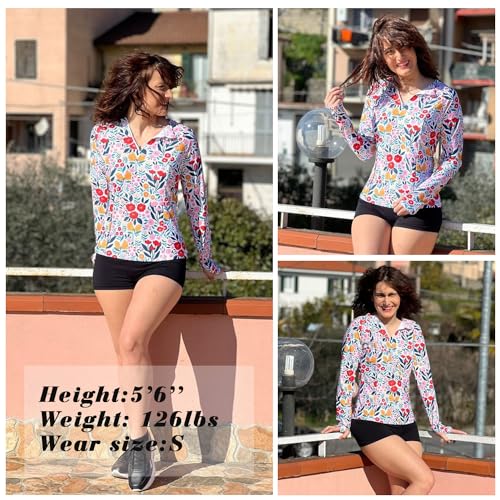
Rash guard sets are a long-sleeve or short-sleeve top paired with swim shorts, swim leggings, or bikini bottoms. They started as surfer and snorkeling gear but women’s versions now come in beautiful prints and feminine cuts. This is the maximum-coverage option and great for beach days, water aerobics, and snorkeling trips.
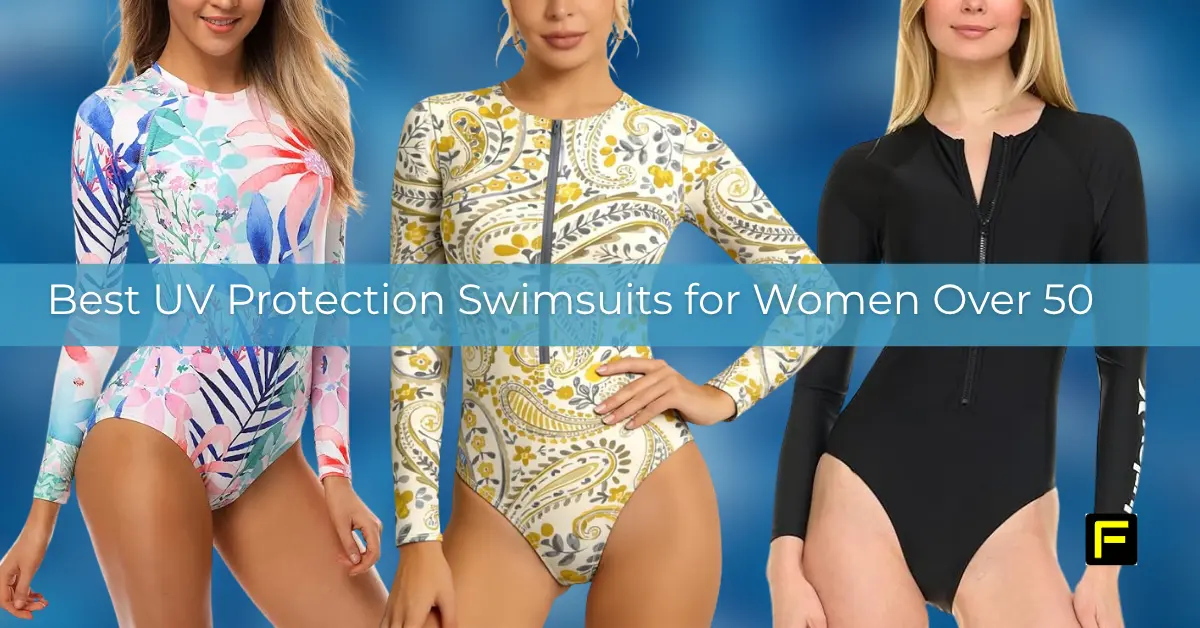
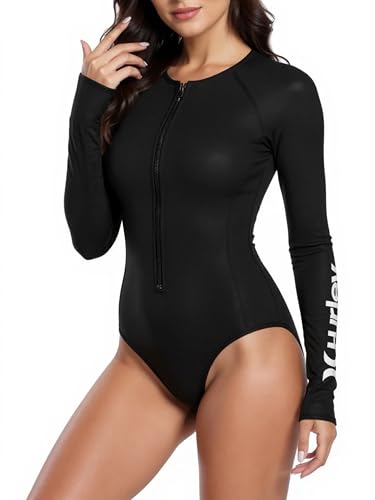
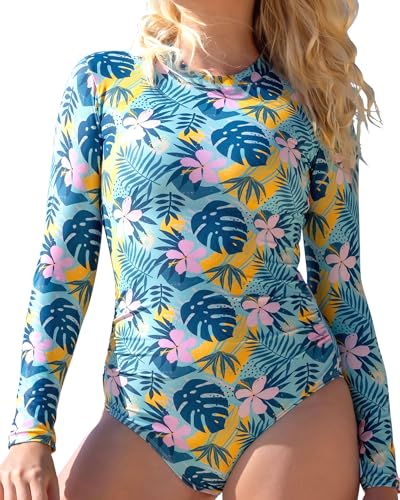
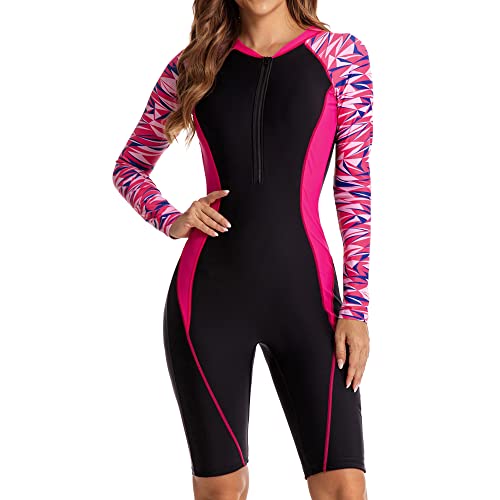
Long-sleeve one-piece swimsuits build sleeves directly into a traditional one-piece silhouette. They cover your torso and arms while still feeling like a real swimsuit rather than an outfit. A strong choice if you want substantial coverage without the two-piece feel.
UPF swim dresses add a skirt panel over the hips and thighs on top of the arm and torso coverage, making them the most modest style in this category. If you already love swim dresses for the coverage they provide over the thighs, choosing one with a certified UPF rating gives you protection all the way down. I cover swim dresses in more detail in my guide to swim dresses for women over 50.
Short-sleeve athletic one-pieces offer a middle ground. Some arm coverage without full-length sleeves. A good option if you find long sleeves too warm or too restrictive for lap swimming or more active pool use.
The Best UV Protection Swimsuits for Women Over 50
I selected these picks based on verified UPF ratings, fit and coverage for the 50-plus figure, customer feedback on real-world performance, and style. I wanted a range of cuts, price points, and coverage levels so you can find what works for your body and your lifestyle.
Coolibar UPF 50+ Women’s Ruche Swim Shirt / Rash Guard Set
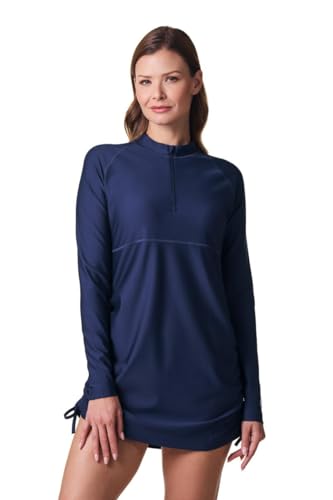
Coolibar is the gold standard in UPF 50+ clothing and this rash guard is one of their best sellers for good reason. The fabric is soft, quick-drying, and holds its UPF 50+ rating wash after wash. The ruched detailing at the side gives it a flattering shape rather than a boxy athletic look. Pair it with the matching swim shorts or your own suit bottoms. Sizes run true, so order your usual size.
Lands’ End Women’s UPF 50 Long Sleeve Rash Guard One-Piece
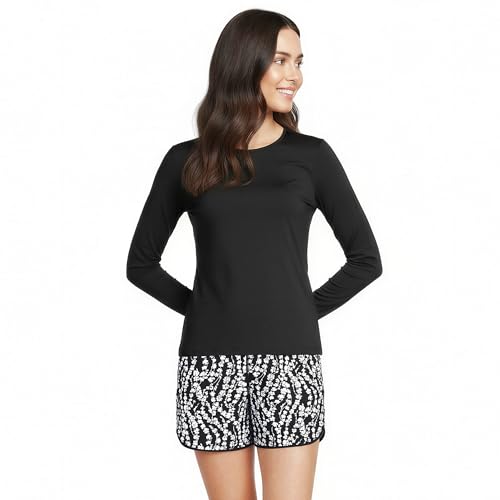
Lands’ End has quietly built one of the best UPF swimwear lines available, and this long-sleeve one-piece is a standout. The full-length sleeves cover your arms completely while the classic one-piece silhouette keeps it looking polished. It comes in an excellent size range including long torso options and extended sizes. The tummy control panel is effective without being uncomfortable. One of my top recommendations for women who want full coverage without feeling like they are wearing a wetsuit.
Cabana Life UPF 50+ Women’s Swim Dress
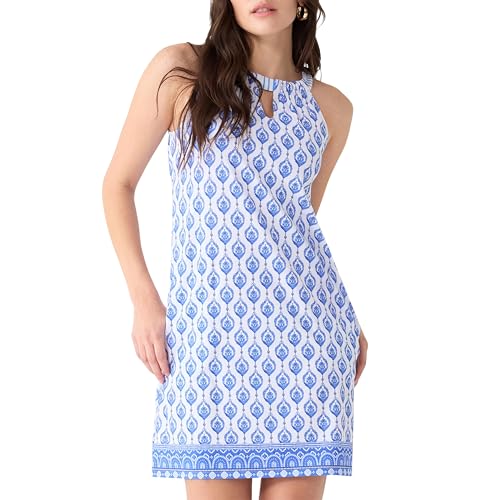
Cabana Life is another brand that specializes in sun-protective clothing, and this swim dress carries their full UPF 50+ certification. The A-line skirt falls to mid-thigh and covers a lot of territory, and the built-in shorts underneath mean it stays in place in the water. The fabric is lightweight enough that it does not feel heavy when wet. A beautiful choice if you want the coverage of a swim dress with the confidence of a clinically rated fabric.
Speedo Women’s UPF 50+ Long Sleeve One-Piece
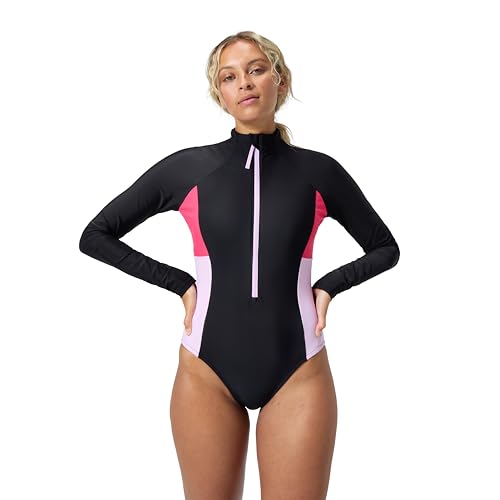
Speedo is known for performance and this suit delivers it. The long-sleeve one-piece is cut for active swimming, which means it stays put during water aerobics, lap swimming, or anything else you put it through. The UPF 50+ rating is Speedo’s Endurance fabric, which is also resistant to chlorine. If you are a regular pool swimmer this is the most durable option on this list. Sizes can run slightly smaller than average, so consider sizing up.
Rash Guard Top Only (Short Sleeve, UPF 50+)
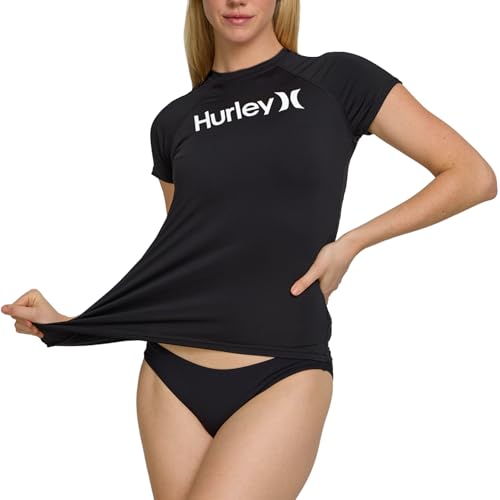
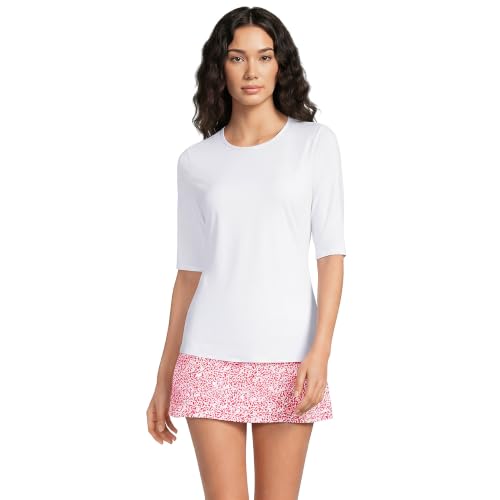
Sometimes you do not need a whole new swimsuit. If you already have a bottom you love, a rash guard top pairs beautifully with it and adds immediate UV protection for your torso and arms. This short-sleeve version is a nice middle ground between a sleeveless top and a full long-sleeve rash guard. It layers easily over a tankini or bikini top for beach days and peels off when you are in the pool. Look for one in a solid color or neutral print so it pairs with what you already own.
UPF 50+ Swim Leggings

Swim leggings have become one of my favorite additions to a sun-protective wardrobe. Paired with a rash guard or a simple tankini top, they cover the legs completely. This is especially valuable for snorkeling, paddleboarding, or any activity where your legs are at or near the surface and getting direct sun exposure. They move well in the water and dry quickly. Most women find they need to size up one size for a comfortable fit over the hips.
Budget Pick: UPF 50+ One-Piece Under 40 Dollars
You do not have to spend a lot to get real UV protection. This option from a well-reviewed Amazon brand carries an independently verified UPF 50+ rating and comes at a price point that makes it easy to pick up a second one for travel. The fit is comfortable and the coverage is solid. Read the sizing chart carefully as this brand tends to run a half size small through the torso. A smart buy if you want to test the waters (no pun intended) before investing in a premium brand.
Premium Pick: Solbari UPF 50+ Long Sleeve Swimsuit
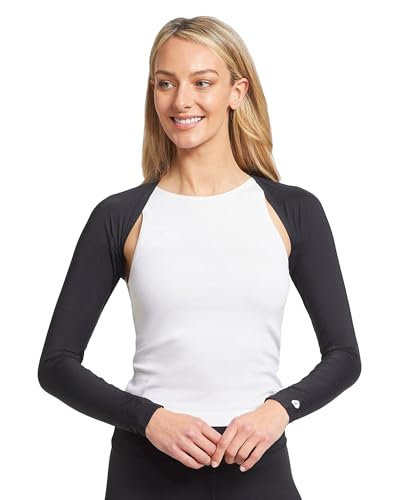
Solbari is an Australian brand built specifically for people who take sun protection seriously, and the quality shows. The fabric is among the softest I have felt in UPF swimwear and the construction is exceptional. Their long-sleeve swimsuit comes in elegant, understated colorways that feel more resort-chic than clinical. It is an investment, but if you spend significant time outdoors or near the water this is a suit you will wear for years.
Do You Still Need Sunscreen If You Wear a UPF 50+ Swimsuit?
Yes, always. A UPF swimsuit protects the skin it covers. Everything else still needs sunscreen.
That means your face, neck, décolleté, hands, feet, and the back of your neck need broad-spectrum SPF 30 or higher applied before you go outside and reapplied every two hours or after toweling off. This is not optional. Even on a cloudy day, up to 80% of UV rays penetrate cloud cover.
The combination of a UPF 50+ swimsuit plus sunscreen on exposed areas is the most complete sun protection strategy available. Think of them as a team, not alternatives to each other.
If you have struggled to find a sunscreen that works well on mature skin without leaving a white cast or feeling greasy, I have covered several options worth knowing about in my guide to the best products for sun damaged skin on the face. And if sunburn is a concern for you this summer, my tips on how to get rid of sunburn redness overnight are worth bookmarking too.
How to Care for UPF Swimwear So It Keeps Its Rating
UPF swimwear is an investment worth protecting. With the right care, your suit will maintain its rating and its shape far longer than a standard bathing suit.

Rinse immediately after every use in cool fresh water. Chlorine and salt water both accelerate the breakdown of UV-protective fibers. Getting them out of the fabric quickly makes a meaningful difference in how long the rating holds up. I go into more detail on this in my guide on whether you should wash your swimsuit after every use.
Hand wash or use a delicate cycle in a mesh laundry bag with a gentle detergent. Heat is the enemy of swimwear fabric generally and of UPF coatings specifically. Skip the dryer entirely.
Never wring your suit. Wringing stretches and distorts the fibers, which can open up the weave and reduce UV protection. Press the water out gently and lay it flat to dry in the shade.
The UPF rating on your suit is not permanent. Most manufacturers say 30 to 40 wash cycles before measurable degradation occurs. If you wear and wash your suit frequently, plan to replace it after two to three seasons of regular use.

Frequently Asked Questions
What does UPF 50+ mean on a swimsuit?
UPF 50+ means the fabric blocks at least 98% of both UVA and UVB radiation. Only 1 out of every 50 units of UV radiation passes through the fabric to reach your skin. It is the highest certified rating available for sun-protective clothing and the standard to look for when buying a UV protection swimsuit for women over 50.
Is UPF 50 the same as SPF 50?
No. SPF only measures protection against UVB rays and applies to sunscreen products you apply to your skin. UPF measures protection against both UVA and UVB rays and applies to fabrics. A UPF 50+ swimsuit is broader in its coverage because it addresses both types of UV radiation, but you still need sunscreen on any skin not covered by the fabric.
Do all swimsuits have UPF protection?
No. Most standard swimsuits offer incidental UV protection based on their weave and color, typically around UPF 15 to 25 when dry and far less when wet and stretched. Only swimwear that has been independently tested and certified carries a true UPF rating on its label. Look for a specific UPF number. Phrases like “sun protective” or “UV resistant” without a number attached are marketing language, not a tested standard.
What is the best UPF swimsuit brand for women over 50?
Coolibar and Cabana Life are considered the top specialists in UPF 50+ swimwear and both offer flattering styles suited to women over 50. Lands’ End carries a strong UPF line with excellent size range and fit. Solbari is a premium option worth the investment if you spend a lot of time outdoors. For budget-friendly options, several Amazon brands carry verified UPF 50+ ratings at a lower price point. Always look for the UPF number in the product listing rather than just taking a brand’s word for it.
Can I get a tan through a UPF 50+ swimsuit?
Technically a very small amount of UV passes through the fabric since UPF 50 blocks 98%, not 100%. In practical terms, meaningful tanning through a certified UPF 50+ swimsuit under normal beach or pool conditions is unlikely. The protection is substantial enough that most women notice a very clear difference between the covered and uncovered areas of their skin after a long day outdoors.
How do I know if my swimsuit is actually UPF rated?
Check the product label or listing for a specific UPF number such as UPF 30, UPF 50, or UPF 50+. A Skin Cancer Foundation Seal of Recommendation is a strong indicator of tested, verified protection. If a product only uses phrases like “sun protective fabric” or “UV resistant” without a certification number, that is a marketing claim, not a verified rating.
How long does a UPF swimsuit keep its rating?
Most UPF swimwear manufacturers estimate 30 to 40 wash cycles before a measurable decrease in protection occurs. With proper care including rinsing after each use, gentle washing, and air drying flat, a quality UPF suit should maintain its rating through two to three seasons of regular wear.
A Few More Swimsuit Resources Worth Bookmarking
If you are building out a sun-smart swimwear wardrobe, these guides from FitFab50 are worth a read:
- Best swimsuits for women over 50 — my full roundup covering all styles
- Modest swimsuits for women over 50 — full coverage picks beyond just UPF
- Swim dresses for women over 50 — if you love a skirt panel
- No tan line bathing suits — a different angle on sun-smart swimwear
- Best sun shirt for hot weather — for days when you want UPF coverage beyond the water
Protecting your skin at this stage of life is genuinely one of the most impactful things you can do, both for your long-term health and for how your skin looks and feels in the years ahead. The fact that you can do it in a swimsuit that is actually attractive and flattering? That is a win I am happy to celebrate.
I hope this guide helps you find the right sun-safe swimwear for wherever summer takes you.
About the author

Claudia Faucher is a fitness and lifestyle blogger who shares practical tips for women over 50 on staying active, stylish, and confident. As the creator of FitFab50.com and Beyond59.com, she covers topics like workout gear, beauty trends, and wellness routines. Claudia is passionate about helping others live their best life at any age.
Last update on 2026-09-23 / Affiliate links / Images from Amazon Product Advertising API