If you’ve noticed that your fitness results aren’t what they used to be, you’re not alone. Many people wonder “why am I not seeing results working out after 50” even when they’re putting in the same effort as before.
After 50, our bodies go through significant physiological changes that affect how we respond to exercise, how quickly we see results, and how we need to approach our fitness routines. These age-related fitness challenges are completely normal and affect everyone to some degree.
Understanding these changes isn’t about accepting limitations. It’s about adapting your approach to work with your body, not against it. Let’s explore why fitness results change after 50, why can’t you work out like you did in your 40s, and what you can do about it.

TL;DR: Fitness results slow after 50 due to hormonal shifts, metabolic slowdown, and muscle loss. Solution: Prioritize strength training 2-3x weekly, eat 1.0-1.2g protein per kg body weight, use progressive overload, and allow 48-72 hours recovery. Expect energy improvements in 2-3 weeks, strength gains in 4-6 weeks, visible changes in 8-12 weeks.
The Hormonal Shift That Changes Everything
The most dramatic factor affecting fitness results after 50 is hormonal change, particularly for women going through menopause and perimenopause. Understanding why it’s harder to lose weight after menopause starts with understanding these hormonal shifts.
Estrogen plays a crucial role in maintaining muscle mass, bone density, and metabolic rate. As estrogen levels decline during menopause, women often experience increased body fat, decreased muscle mass, and a slower metabolism.
This hormonal shift makes it harder to lose weight and easier to gain it, even with the same diet and exercise routine.
For men, testosterone levels gradually decline after age 30, with more noticeable effects after 50. Lower testosterone affects muscle-building capacity, energy levels, and recovery time.
This explains why workouts that used to build muscle quickly now produce slower results.
The good news? Building muscle after menopause is possible. It requires a different approach with proper strength training and adequate protein.
Metabolic Changes: Why the Same Diet Doesn’t Work Anymore
Your resting metabolic rate (the calories your body burns at rest) naturally decreases with age. This metabolic slowdown after 50 can reduce your calorie-burning capacity by 2-4% per decade, primarily due to age-related muscle loss.
Muscle tissue burns more calories than fat tissue, even at rest. As you lose muscle mass (sarcopenia), your body requires fewer calories to maintain weight.
This means the calorie intake that maintained your ideal weight in your 40s might now cause gradual weight gain.
This metabolic slowdown also affects how your body processes carbohydrates and stores fat. Insulin sensitivity decreases with age, making it easier to convert excess calories into fat storage, particularly around the midsection.
Muscle Loss: The Hidden Factor
Starting around age 30, adults lose 3-8% of muscle mass per decade, with the rate accelerating after age 60. This age-related muscle loss (called sarcopenia) isn’t just about appearance.

Muscle loss directly impacts your metabolism, strength, balance, and overall functional fitness. It’s one of the primary reasons why fitness gets harder with age.
Age-related muscle loss affects cognitive health too, making strength preservation crucial for physical and cognitive health.
The challenge is muscle becomes harder to build and easier to lose with age. The same strength training routine that built muscle in your 30s now requires more effort and time. Body composition changes and workout adaptation becomes slower.
Your body’s protein synthesis becomes less efficient, requiring higher protein intake and more strategic training.
Recovery time between workouts also increases. Where you might have bounced back from a hard workout in 24 hours in your younger years, you might now need 48-72 hours for full recovery.
This means you need to be smarter about balancing intensity and recovery.
Joint Health and Flexibility Changes
After 50, joint cartilage thins, tendons and ligaments lose elasticity, and overall joint mobility decreases. These changes make high-impact exercises more uncomfortable or risky. Workout modifications for people over 50 become essential.

Flexibility naturally decreases with age. This reduced range of motion can affect exercise form, limit movements, and increase injury risk.
Many people over 50 find exercises they once did easily now cause discomfort. This is where gentle low-impact workouts for seniors become essential.
Swimming, cycling, or modified strength training provide excellent results while being gentler on joints.
If you have specific joint concerns, exercises for seniors with knee pain can help you stay active without aggravating existing issues.
Cardiovascular System Changes
Your cardiovascular system undergoes age-related changes. Maximum heart rate decreases (roughly 220 minus your age), blood vessels lose elasticity, and the heart muscle becomes slightly less efficient. These changes affect your cardiovascular fitness and training response.

These changes mean your cardiovascular system doesn’t respond to exercise like before. You might notice longer recovery times and shifted target heart rate zones.
However, these changes don’t prevent cardiovascular improvement. They mean you need to adjust expectations and training approach. Consistent cardiovascular exercise remains vital for heart health after 50.
Recovery and Sleep Quality
Sleep quality often declines after 50 due to hormonal changes, medications, or age-related factors. Poor sleep directly impacts exercise recovery, muscle repair, and workout energy.

Your body repairs and builds muscle during sleep. When sleep quality decreases, your recovery ability decreases. Fitness results can slow even when you’re doing everything else right.
Additionally, recovery capacity decreases with age. Inflammation persists longer, muscle soreness lasts longer, and overtraining risk increases without adequate recovery.
How to Adapt Your Approach for Better Results
Understanding why your body doesn’t respond to exercise like it used to is the first step. Now let’s talk about what works when getting fit after 50:

Prioritize Strength Training
Strength training becomes increasingly important after 50. It preserves muscle mass, maintains bone density, and keeps your metabolism active. How to start strength training after 60 is not only possible but highly beneficial.
Focus on compound movements, use proper form over heavy weights, and allow adequate recovery time. Use progressive overload by gradually increasing weight, reps, or sets.
Consider resistance bands for arthritis-friendly strength training if you have joint concerns. They’re gentler on joints while still building strength.
Increase Protein Intake
As protein synthesis becomes less efficient, your protein needs actually increase. Most adults over 50 should aim for 1.0-1.2 grams of protein per kilogram of body weight daily.
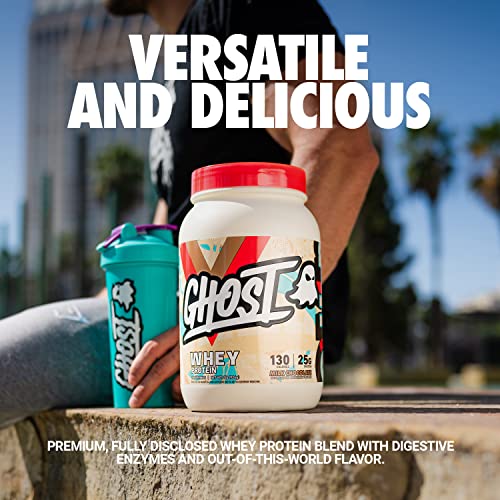
The best protein powders for women over 50 can help meet these needs, especially if you struggle to get enough protein from whole foods.
Consider Supplementation
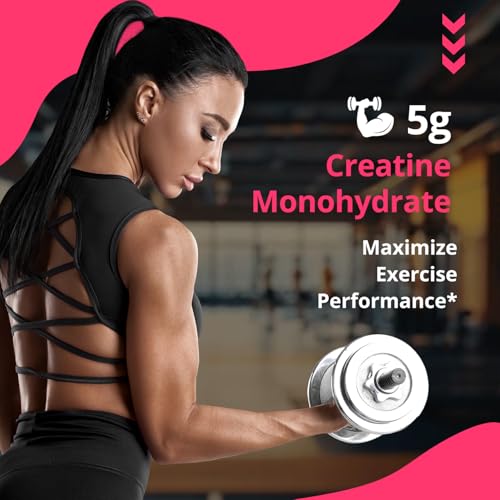
Certain supplements can support fitness results after 50. Creatine supplements for older adults have been shown to improve muscle strength, power, and recovery when combined with resistance training.
Vitamin D, omega-3 fatty acids, and calcium also play important roles in muscle function and bone health.

Focus on Consistency Over Intensity
The “no pain, no gain” mentality becomes counterproductive after 50. Focus on consistent, moderate exercise that you can sustain long-term. This prevents fitness plateaus and reduces injury risk.
Simple daily exercises for people over 60 build the foundation for lasting improvements.
Regular, moderate activity often produces better results than sporadic, intense workouts.
Understanding Your Timeline: How Long Does It Take to See Fitness Results After 50?
Research shows:
Energy and Mood: Improved energy and better sleep within 2-3 weeks.
Strength Gains: Initial strength improvements within 4-6 weeks.
Visible Changes: Body composition changes after 8-12 weeks, often taking longer after 50.
Cardiovascular Fitness: Endurance improvements within 8-12 weeks.
The key is patience and consistency. Results may take longer than in your 30s or 40s, but they’re achievable.
Get Professional Guidance
If you’re returning to fitness after a break, working with a qualified fitness professional can make a significant difference. They can develop a program tailored to your fitness level and goals.
Invest in Proper Equipment
The right gear matters more after 50. Proper workout shoes for strength training and cardio with proper support can prevent injury and make workouts more comfortable.
Quality footwear protects your joints and enhances performance.
Join Group Classes
Benefits of group fitness classes for older adults go beyond the workout itself. They provide social connection, accountability, and expert instruction.
The Reality Check: Progress Looks Different
After 50, fitness progress means different things than in your younger years. Success isn’t always about dramatic transformations. Focus on:
- Maintaining strength rather than constantly increasing it
- Preserving muscle mass and bone density
- Improving functional fitness for daily activities
- Reducing pain and improving mobility
- Sustaining energy levels and quality of life
These outcomes are valuable and worth pursuing. The goal is being the healthiest, strongest version of yourself at your current age, not performing like you did at 25.
Many experience a fitness plateau in their 50s, but this doesn’t mean progress has stopped. Your metrics for success need to evolve along with your body.
Frequently Asked Questions
Q: Why am I not seeing results from working out after 50?
A: Your body experiences hormonal changes, slower metabolism, and reduced recovery capacity. Check these: Are you eating 1.0-1.2g protein per kg body weight? Allowing 48-72 hours recovery? Using progressive overload? Results take 8-12 weeks after 50 versus 4-6 weeks for younger adults.
Q: How long does it take to see fitness results after 50?
A: Energy improvements appear in 2-3 weeks, strength gains in 4-6 weeks, and visible body composition changes in 8-12 weeks. This timeline is longer than for younger adults due to slower muscle protein synthesis. Consistency matters more than intensity.
Q: Can you still build muscle after menopause?
A: Yes. While hormonal changes make it more challenging, women can build muscle after menopause with proper strength training and adequate protein. Focus on compound movements, progressive overload, and consume 1.0-1.2 grams protein per kilogram body weight daily.
Q: What’s the best exercise for women over 50?
A: Strength training is most important because it preserves muscle mass, maintains bone density, and keeps metabolism active. Combine with low-impact cardio and flexibility work. Aim for strength training 2-3 times weekly, cardio 3-4 times, and daily stretching.
Q: Why is it harder to lose weight after 50?
A: Metabolic slowdown (2-4% per decade), muscle loss reducing calorie burn, hormonal changes (declining estrogen), and decreased insulin sensitivity all contribute. Your body requires fewer calories to maintain weight, so previous eating habits may now cause weight gain.
Q: Should I work out every day after 50?
A: Daily activity is beneficial, but not intense workouts. Do 2-3 strength sessions weekly with 48-72 hours recovery between, plus moderate cardio or walking on other days. Include at least one full rest day. Recovery becomes more important with age.
Q: How can I speed up my metabolism after 50?
A: Build muscle through strength training since muscle burns more calories at rest. Eat adequate protein, stay hydrated, get 7-9 hours sleep, and avoid extreme calorie restriction. HIIT can boost metabolism but use sparingly to avoid overtraining.
The Bottom Line
Fitness results change after 50 due to hormonal shifts, metabolic changes, age-related muscle loss, and decreased recovery capacity. These body changes affecting workout results are natural and affect everyone.
However, you can still achieve meaningful fitness results by adapting your approach. With the right strategy (strength training, adequate protein, proper recovery, and workout consistency), you can maintain and improve your fitness well into your later years.
The key is working with your body’s changes rather than fighting them. When you understand why fitness results change after 50, you can make smarter training, nutrition, and recovery choices for sustainable success.
Starting a fitness program at any age brings significant benefits, regardless of your current fitness level. Your body may respond differently than decades ago, but it still responds. The journey to maintaining fitness after 50 is about consistency, patience, and smart training choices.

Claudia Faucher is a fitness and lifestyle blogger who shares practical tips for women over 50 on staying active, stylish, and confident. As the creator of FitFab50.com and Beyond59.com, she covers topics like workout gear, beauty trends, and wellness routines. Claudia is passionate about helping others live their best life at any age.
Last update on 2026-03-23 / Affiliate links / Images from Amazon Product Advertising API