If your anxiety has suddenly turned up the volume in your 50s, you are not imagining it—and you are not alone. The biological shifts that accompany perimenopause and menopause directly impact the neurotransmitters responsible for keeping you calm, focused, and resilient to stress. For many women, this decade brings a new, overwhelming sense of worry.
The good news? You don’t just have to white-knuckle your way through it. While there are no “magic pills,” a specific set of research-backed supplements can profoundly support your nervous system during this transition.
In this comprehensive guide, we are breaking down the best supplements for anxiety and stress after 50, the science behind why they work, and exactly what to look for on the label to ensure you aren’t wasting your money.
Quick Links
Medical Disclaimer: Supplements are not a substitute for professional medical care or prescription medication. If anxiety is debilitating or significantly impacting your daily life, please consult your doctor. Think of these supplements as powerful additions to a healthy foundation, not a cure-all.
Quick Reference: Top Anxiety Supplements for Adults Over 50
Short on time? Here is a quick breakdown of the top evidence-based supplements for midlife anxiety.
| Supplement | Best For | Recommended Form & Dosage |
| Magnesium | Overall calm, sleep, and tension relief | Magnesium Glycinate (300-400 mg) |
| Ashwagandha | Lowering cortisol and hormonal stress | KSM-66 or Sensoril (300-600 mg) |
| L-Theanine | Daytime calm without drowsiness | Suntheanine (100-400 mg) |
| Rhodiola Rosea | Anxiety paired with fatigue/burnout | 3% rosavins / 1% salidroside (200-400 mg) |
| Lavender Oil | Racing thoughts and sleep disruption | Silexan extract (80 mg) |
| B-Complex | Nervous system and mood stability | Active forms: Methyl B12 & P5P B6 |
| Omega-3s | Brain health and reducing inflammation | High EPA/DHA Fish Oil (1,000-2,000 mg) |
Why Anxiety Spikes After 50: The Hormone Connection
Before treating the symptoms, it helps to understand the root cause. Age-related anxiety isn’t just “in your head”—it’s in your hormones.
- Plummeting Estrogen: Estrogen helps regulate serotonin and dopamine (your “happy” and “calm” brain chemicals). As estrogen drops, so does your natural buffer against stress.
- Cortisol Dysregulation: Cortisol is your primary stress hormone. As we age, the body struggles to clear cortisol efficiently, leaving you in a prolonged “fight or flight” state. This loop can be easily aggravated if your diet is heavy in foods that raise cortisol levels.
- The Sleep-Stress Cycle: Menopause often brings insomnia or night sweats. Poor sleep spikes cortisol the next day, which feeds the anxiety, which ruins your sleep again.
The right targeted nutrients can help interrupt this cycle. Look for third-party tested brands (USP, NSF, Informed Choice) and avoid “proprietary blends” that hide their exact ingredient amounts.
The 7 Best Supplements for Anxiety and Stress After 50
1. Magnesium Glycinate — Editor’s Pick for Overall Calm

If you only add one supplement to your routine after 50, make it magnesium. This essential mineral drives over 300 biochemical reactions, including the production of GABA (your brain’s natural “chill pill” neurotransmitter). Up to 70 percent of adults are deficient, making this a crucial foundational supplement.
- Why it works: It acts as a natural relaxant for both the brain and the muscles.
- What to look for: Always choose Magnesium Glycinate (or bisglycinate). It absorbs easily and won’t cause the digestive upset associated with cheap Magnesium Oxide.
- How to take it: 300 to 400 mg in the evening to promote restful sleep.
Top Product Picks:
- Pure Encapsulations Magnesium Glycinate 120 mg
- Thorne Magnesium Bisglycinate
2. Ashwagandha (KSM-66) — Best for High Cortisol

Ashwagandha is a powerful adaptogen—a class of herbs that helps your body adapt to stress and regulates the HPA axis (the system controlling your cortisol).
- Why it works: Clinical trials show that Ashwagandha can reduce cortisol levels by up to 30 percent. For women over 50, it offers the bonus benefit of supporting thyroid function, which can often lag during menopause.
- What to look for: You must look for standardized extracts like KSM-66 or Sensoril. Generic root powders are often ineffective.
- How to take it: 300 to 600 mg daily. Allow 4 to 8 weeks for full effects.
Top Product Picks:
- KSM-66 Ashwagandha by Jarrow Formulas
- Natrol Ashwagandha 600mg KSM-66
3. L-Theanine — Best for Daytime Stress
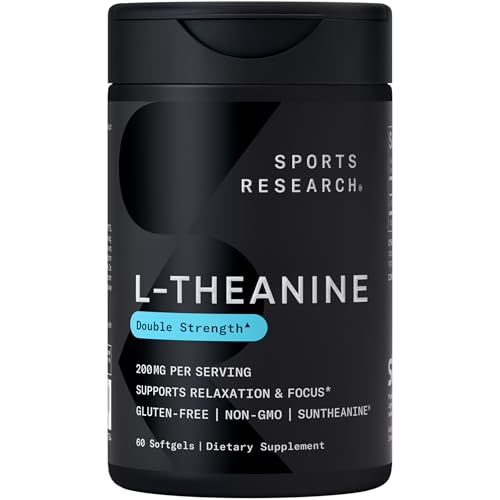
Found naturally in green tea, L-theanine is an amino acid that alters your brainwaves, promoting the same “alpha” state you achieve during deep meditation.
- Why it works: It increases GABA and serotonin without acting as a sedative. It cuts through the nervous jitters while keeping your mind sharp and focused.
- What to look for: 100 to 400 mg per dose. Suntheanine is the most heavily researched branded form.
- How to take it: Take it as-needed during stressful days, or pair it with magnesium at night to quiet a racing mind.
Top Product Picks:
- Jarrow Formulas Theanine 200mg Suntheanine
- Pure Encapsulations L-Theanine 200mg
4. Rhodiola Rosea — Best for Anxiety Paired with Burnout

If your anxiety feels less like nervous energy and more like “wired but tired” exhaustion, Rhodiola is the adaptogen for you.
- Why it works: While ashwagandha soothes, rhodiola lifts. It combats the specific brand of brain fog, mental fatigue, and burnout that accompanies chronic stress. If mental clarity is a primary struggle, this pairs beautifully with other natural supplements for focus and concentration.
- What to look for: An extract standardized to 3% rosavins and 1% salidroside.
- How to take it: 200 to 400 mg daily. Take this in the morning, as its mildly energizing effects can disrupt sleep if taken late.
Top Product Picks:
Want to support your calm from the inside out?
Chronic stress accelerates age-related muscle loss. Check out our guide tobuilding muscle after menopauseto see how strength training is one of the best ways to build mental resilience.
5. Silexan (Clinical Lavender Oil) — Best for Racing Thoughts
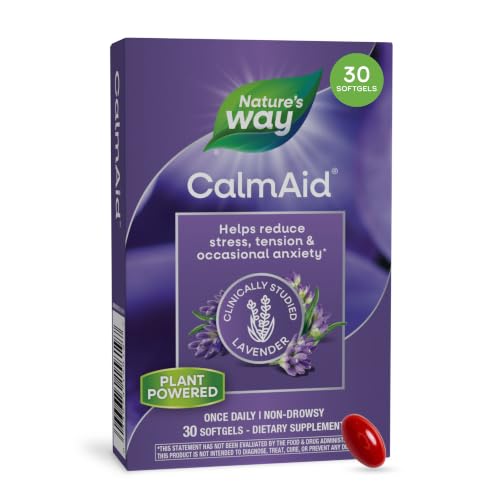
We aren’t talking about essential oil diffusers here. Silexan is a clinically studied, oral lavender oil preparation that boasts pharmaceutical-grade evidence behind it.
- Why it works: Multiple placebo-controlled trials show Silexan can be as effective as low-dose anti-anxiety medications (like benzodiazepines) for generalized anxiety, entirely without the risk of dependency. It works by calming the nervous system’s calcium channels.
- What to look for: It must be the Silexan extract (often sold under the brand Lavela WS 1265). Do not ingest regular aromatherapy lavender oil.
- How to take it: 80 mg per day, ideally in the evening.
Top Product Pick:
6. B-Complex (Active Forms) — Best for Mood Stability

B vitamins are the foundational building blocks for your nervous system, yet absorption plummets as we age due to naturally decreasing stomach acid.
- Why it works: Vitamin B6 is mandatory for creating serotonin and dopamine. B5 supports the adrenal glands (stress response), and B12 protects neurological health. If you aren’t already taking a specialized multivitamin for perimenopause and women over 40, adding a quality B-complex is a crucial step.
- What to look for: Avoid cheap synthetic forms. You want methylcobalamin (active B12) and P5P (active B6), which your body can actually absorb and use.
- How to take it: Take daily with food in the morning.
Top Product Picks:
7. Omega-3 Fatty Acids — Best for Brain Health
Your brain is roughly 60 percent fat. As estrogen drops during menopause, brain levels of DHA and EPA (crucial omega-3s) tend to decline alongside it, increasing the risk of mood instability.
- Why it works: Omega-3s fiercely combat systemic inflammation—a hidden but massive driver of both anxiety and depression.
- What to look for: An IFOS-certified fish oil with at least 1,000 to 2,000 mg of combined EPA and DHA per day (with EPA being the higher number).
Top Product Picks:
How to Stack Your Supplements for Maximum Relief
You do not need to buy all seven of these. The best approach is to identify your primary symptom and build a targeted “stack.” Always introduce one supplement at a time, spacing them two weeks apart, to monitor how your body reacts.
- The “General Anxiety” Stack: Magnesium Glycinate (PM) + L-Theanine (AM/As-needed).
- The “Burnout & Brain Fog” Stack: Rhodiola Rosea (AM) + Omega-3s (AM) + B-Complex (AM).
- The “Menopause & High Cortisol” Stack: Ashwagandha (AM/PM) + Magnesium Glycinate (PM).
- The “Insomnia & Racing Thoughts” Stack: Silexan Lavender (PM) + Magnesium Glycinate (PM).
The Non-Negotiable Lifestyle Factors
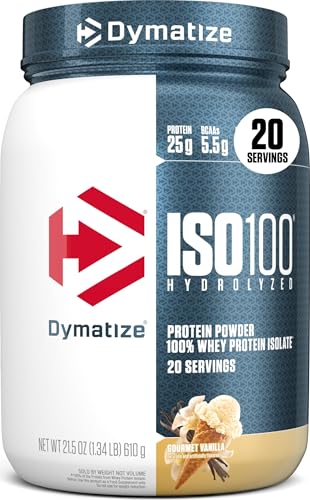
Supplements are force multipliers, not magic erasers. They work best when layered on top of solid daily habits:
- Prioritize Protein & Strength Training: Regular resistance training dramatically lowers anxiety and depression markers in menopausal women.
- Guard Your Sleep: Cortisol cannot normalize if you are chronically sleep-deprived. Keep your bedroom cool, dark, and screen-free an hour before bed. Consider adding environmental soothers, like weighted blankets for anxiety, to help calm your nervous system before sleep.
- Fuel Your Body Properly: Your gut and brain are intimately connected. Try integrating foods that reduce anxiety fast into your daily diet, such as leafy greens, fermented foods, and wild-caught fish, while limiting alcohol which destroys sleep architecture.
Frequently Asked Questions (FAQ)
What is the most effective supplement for anxiety after 50?
Magnesium glycinate holds the strongest, most consistent evidence base for adults over 50. It directly addresses a common deficiency, calms the nervous system, and improves sleep quality. When paired with an adaptogen like Ashwagandha (KSM-66), it creates a highly effective natural defense against stress.
Are natural anxiety supplements safe to take with prescription medications?
Not always. “Natural” does not mean “free of interactions.” Ashwagandha can interact with thyroid medications, and St. John’s Wort (though not recommended on this list) notoriously interferes with antidepressants and blood thinners. Always clear new supplements with your prescribing doctor.
How long does it take for anti-anxiety supplements to start working?
- Immediate (30-60 mins): L-Theanine
- Short-term (1-2 weeks): Magnesium Glycinate, Silexan Lavender
- Long-term (4-8 weeks): Adaptogens like Ashwagandha and Rhodiola require consistent daily use to regulate cortisol over time.
Can supplements replace my anxiety medication?
No. While supplements are excellent tools for mild to moderate daily stress, they are not a substitute for prescribed medication for a diagnosed clinical anxiety disorder. Never stop taking prescription medication without your doctor’s supervision.
The Bottom Line
Experiencing a spike in anxiety after 50 is a real, physiological response to shifting hormones—it is not a character flaw. The best supplements for anxiety and stress after 50 can give your body the exact raw materials it needs to find its baseline again.
Start simple, stick to high-quality clinical forms, give them time to work, and always keep your healthcare provider in the loop. You deserve to feel grounded, calm, and fully yourself in this chapter of life.
About the author

Claudia Faucher is a fitness and lifestyle blogger who shares practical tips for women over 50 on staying active, stylish, and confident. As the creator of FitFab50.com and Beyond59.com, she covers topics like workout gear, beauty trends, and wellness routines. Claudia is passionate about helping others live their best life at any age.
Last update on 2026-08-24 / Affiliate links / Images from Amazon Product Advertising API