
You bought the protein powder. You mixed it with water. You took one sip and nearly poured it down the drain.
If your protein powder tastes bad, you are not alone. A lot of adults over 50 give up on protein shakes entirely because they cannot get past the chalky texture or artificial aftertaste. If you have ever wondered how to make protein shakes taste better, this guide covers every practical strategy I have found in years of testing.
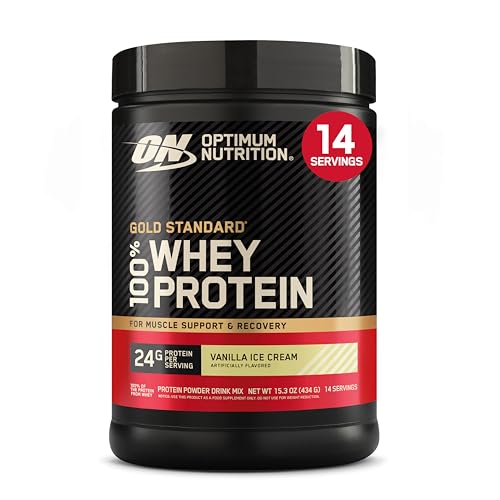
The good news is that learning how to make protein powder taste better does not require fancy ingredients or complicated recipes. A few simple changes to what you add to your protein shake, your preparation method, or your blending technique can turn a dreaded daily chore into something you genuinely look forward to. The strategies below are the ones that consistently deliver good tasting protein shakes without sacrificing nutrition.
Table of Contents
Why Protein Shakes Matter After 50
Before we get into the tips, it is worth understanding why protein shakes deserve a spot in your daily routine. After 50, your body becomes less efficient at processing protein. Research shows that muscle protein synthesis declines with age, which means you need to be more intentional about hitting your daily targets.
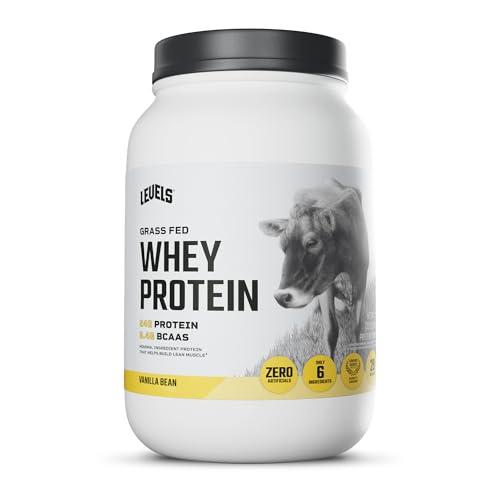
A quality protein shake can deliver 20 to 25 grams of protein in under two minutes. That is roughly the equivalent of a chicken breast, without the meal prep. For a deeper look at how much you actually need, try our Protein Calculator Pro, which tailors recommendations to your weight, activity level, and fitness goals.
The catch is that none of this matters if you cannot bring yourself to drink it. So let us cover how to make protein shakes that you will actually enjoy.
What to Add to a Protein Shake: 15 Tricks That Actually Work
1. Switch From Water to Milk or a Milk Alternative
Water is the most common protein shake mixer, and it is also the biggest reason shakes taste thin and chalky. Swapping in unsweetened almond milk, oat milk, or regular dairy milk adds creaminess and natural sweetness without dramatically increasing calories.
A protein almond milk shake is one of the best ways to make a protein shake that tastes like a real milkshake. Unsweetened almond milk typically adds only 30 to 40 calories per cup, which is a small price for a dramatically better flavor.
2. Use Frozen Fruit Instead of Ice
Ice waters down flavor. Frozen bananas, frozen strawberries, or frozen blueberries chill your shake while adding natural sweetness, fiber, and antioxidants. A half banana blended with chocolate protein powder tastes remarkably close to a dessert.
Frozen fruit also thickens the shake, which helps mask any grittiness from the powder. If you are watching your sugar intake, stick to berries, which tend to be lower on the glycemic index.
3. Add a Tablespoon of Nut Butter
Peanut butter, almond butter, or cashew butter adds healthy fats, extra protein, and a rich flavor that pairs well with both chocolate and vanilla powders. A vanilla and peanut butter protein shake is one of the most popular combinations for a reason. One tablespoon of natural peanut butter contributes about 4 grams of protein and 8 grams of healthy fat.
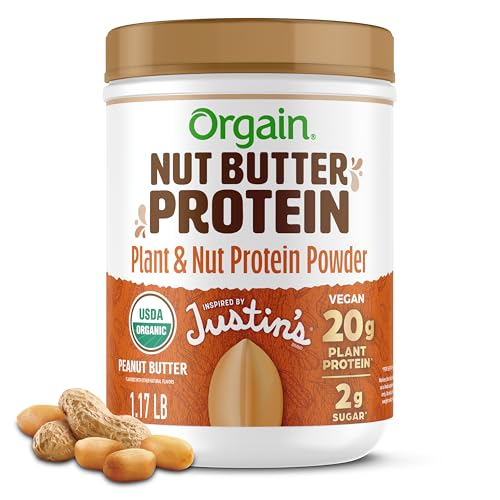
This is one of the easiest upgrades you can make. The fats also slow digestion, which keeps you feeling full longer. That is especially helpful if you use your shake as a meal replacement.
4. Blend in Greek Yogurt
Greek yogurt transforms the texture of a protein shake from thin liquid to thick smoothie. A half cup of plain nonfat Greek yogurt adds roughly 12 grams of additional protein on top of what your powder already provides.
It also contributes probiotics, which support gut health. For adults over 50 dealing with digestive sensitivity, this can be a meaningful bonus. Just make sure you choose plain yogurt to avoid added sugars.
5. Try Instant Coffee or Espresso Powder
If you enjoy coffee, adding a teaspoon of instant coffee or espresso powder to a chocolate or vanilla shake creates a mocha flavor that is hard to beat. The caffeine can also provide a mild pre-workout boost if you time it right.
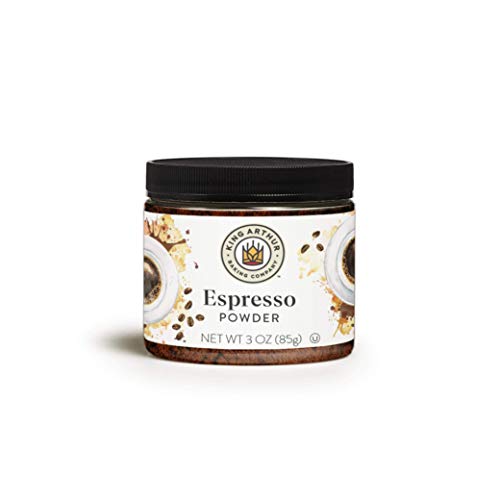
This trick works best with chocolate-flavored protein powder. The bitterness of the coffee actually balances the sweetness of the powder and makes the whole shake taste more complex.
6. Use Cocoa Powder for Depth
Unsweetened cocoa powder adds rich chocolate flavor with virtually no calories. One tablespoon contains about 12 calories and zero sugar. It pairs especially well with vanilla or unflavored protein powders when you want a chocolate shake without switching products.
Cocoa powder is also loaded with flavonoids, which research has linked to improved cardiovascular health. For adults over 50, that is a welcome side benefit from a simple flavor hack.
7. Add a Dash of Cinnamon or Vanilla Extract
Spices and extracts are the most underrated protein shake flavor enhancers available, and they add zero calories. A quarter teaspoon of cinnamon adds warmth and pairs beautifully with vanilla protein powder. A splash of pure vanilla extract can smooth out artificial aftertastes.
Cinnamon has the added benefit of supporting healthy blood sugar regulation. Even a small amount can make a noticeable difference in how your shake tastes.
8. Blend With Oats for a Thicker Shake
A quarter cup of rolled oats blended into your shake adds complex carbohydrates, fiber, and a creamy, milkshake-like consistency. Oats absorb liquid and thicken up the shake substantially, which makes it feel more like a meal than a supplement.
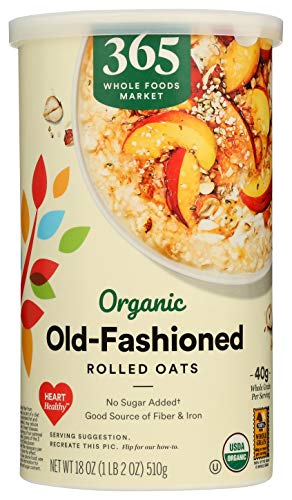
This is a great strategy for post-workout shakes when you need both protein and carbohydrates for recovery. If texture is a concern, blend the oats first with your liquid for 30 seconds before adding the protein powder.
9. Drop in Some Frozen Spinach
This sounds counterintuitive, but a small handful of frozen spinach adds vitamins and minerals without changing the taste. The flavor of spinach disappears almost completely when blended with fruit or chocolate protein powder.
You get iron, magnesium, and vitamin K without any spinach flavor whatsoever. Start with a small amount and work your way up. Most people cannot detect even a full cup of spinach in a well-blended shake.
10. Use a Quality Blender
This is not a flavor ingredient, but it matters more than most people realize. A basic shaker bottle leaves clumps and uneven texture. A proper blender creates a smooth, uniform consistency that is far more pleasant to drink.
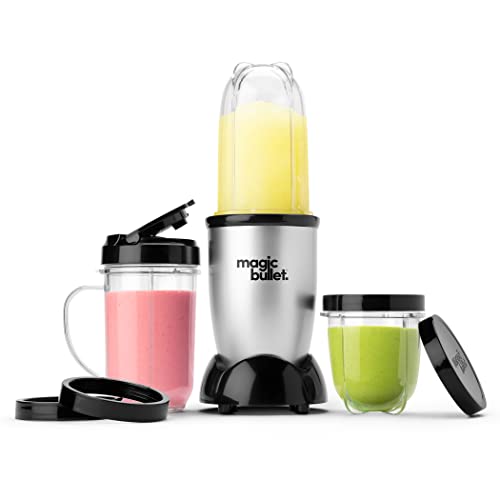
You do not need an expensive blender. A standard countertop model that can crush ice will do the job. The smoother the blend, the better the taste experience.
11. Let the Shake Rest for Two Minutes
After blending, let your shake sit for about two minutes before drinking. This allows air bubbles to settle and gives the protein powder time to fully hydrate. The result is a denser, smoother texture with less foam on top.
This is a small detail that makes a surprisingly big difference. Foam from vigorous blending can give your shake a soapy mouthfeel that most people find unpleasant.
12. Add Frozen Avocado Chunks
A quarter of an avocado adds creaminess, healthy monounsaturated fats, and a smooth texture that rivals any commercial smoothie. Avocado has a neutral flavor that blends seamlessly with both chocolate and vanilla powders.
The healthy fats also support joint health and nutrient absorption, both of which become increasingly important after 50. Freeze your avocado chunks ahead of time so they double as a thickener.
13. Mix in a Drizzle of Honey or Maple Syrup
If your protein powder is unsweetened or only lightly sweetened, a teaspoon of raw honey or pure maple syrup can round out the flavor nicely. One teaspoon of honey adds about 21 calories and 6 grams of natural sugar.
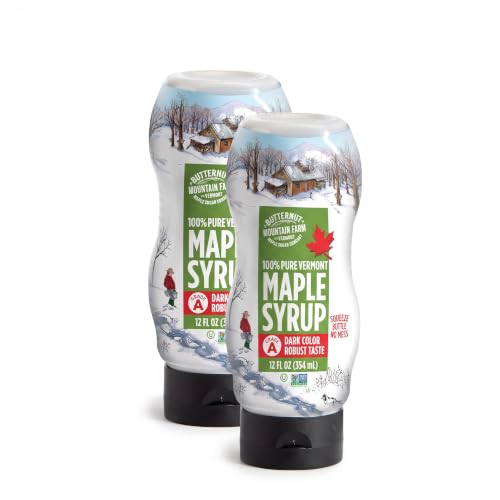
This is a measured approach, not a free pour. The goal is just enough sweetness to take the edge off without turning your shake into a sugar bomb. For most people, a single teaspoon is plenty.
14. Try Coconut Water as Your Base
Coconut water has a mildly sweet, slightly nutty flavor that complements tropical and vanilla protein powders particularly well. It also contains natural electrolytes like potassium, which supports hydration and muscle function.
One cup of coconut water has roughly 45 calories and 11 grams of natural sugar. It is a solid alternative to plain water when you want better flavor with a hydration boost.
15. Start With a Better Protein Powder
Sometimes the problem is not your recipe. It is your powder. Low-quality protein powders often contain artificial sweeteners, thickeners, and fillers that create an unpleasant aftertaste no amount of fruit or nut butter can fix.
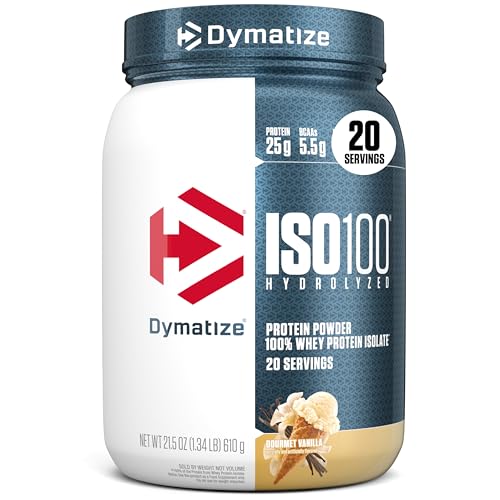
Look for powders with short ingredient lists, no artificial sweeteners, and at least 20 grams of protein per serving. The best tasting whey protein powder will use natural flavoring and minimal sweeteners. If you are not sure where to start, check out our guide to the Best Protein Powders for Seniors Who Don’t Want to Bulk Up, which covers the cleanest options on the market.
[AAWP Shortcode Placeholder: Best-selling protein powder for taste]
How to Make Protein Shakes Thicker
A thin, watery shake is one of the top reasons people stop drinking their protein. If you want to know how to make protein shakes thicker, focus on adding ingredients that absorb liquid and create body.
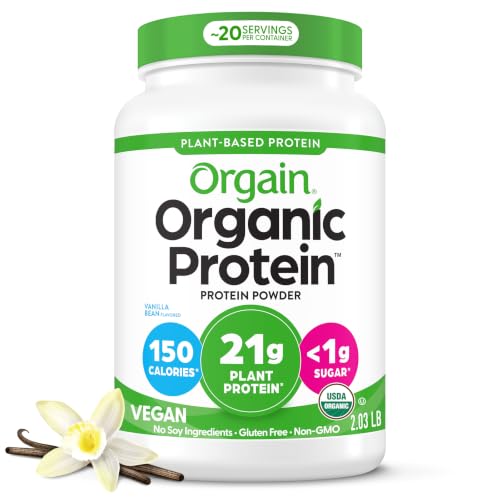
Frozen fruit is the easiest thickener. A half banana or a handful of frozen mango chunks will transform a thin shake into a dense smoothie in seconds. Greek yogurt is another reliable option, adding both thickness and extra protein without changing the flavor profile.
Rolled oats blended for 30 seconds before adding your protein powder create a milkshake-like consistency. Chia seeds are a lesser-known option. Add a tablespoon and let the shake rest for three to five minutes. The seeds absorb liquid and create a gel-like body that makes your shake feel more substantial.
Avocado is the secret weapon for creaminess. A quarter of a frozen avocado adds richness and healthy fats with almost no detectable flavor. Combine two or three of these thickeners and you will end up with a shake that holds up in a glass rather than splashing around like flavored water.
My Go-To Protein Shake Recipe
You do not need a long list of protein powder recipes to find something that works. After years of experimenting, this is the best way to make a protein shake that genuinely tastes like a milkshake. It takes about 90 seconds and uses ingredients you probably already have.
- 1 scoop chocolate whey isolate protein powder
- 1 cup unsweetened almond milk
- Half a frozen banana
- 1 tablespoon natural peanut butter ( use PB2 Peanut Nut Butter Powder for less fat and calories)
- 1 teaspoon unsweetened cocoa powder
- 3 to 4 ice cubes
Blend everything on high for 45 seconds. Let it rest for two minutes. Pour and enjoy.
This combination delivers roughly 35 grams of protein, 12 grams of healthy fats, and about 300 calories. It works well as a post-workout recovery drink or a quick breakfast when you are short on time.
Common Mistakes That Ruin Protein Shake Flavor
Even with good ingredients, a few common errors can sabotage your shake. Here are the ones I see most often.
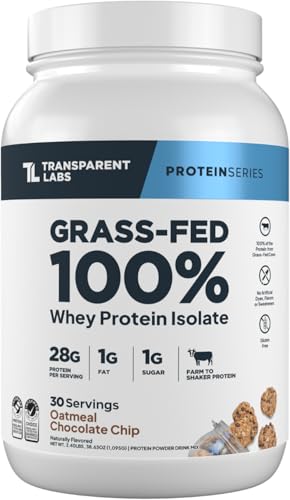
Using too much powder is the number one mistake. More powder does not mean more gains. It means a thicker, chalkier, harder-to-drink shake. Stick to the serving size on the label. If you need more protein in your day, have a second shake rather than doubling the scoops.
Adding too much liquid is the opposite problem. A watery shake tastes diluted and loses all sense of creaminess. Start with 8 to 10 ounces of liquid per scoop and adjust from there.
Blending for too long introduces excess air, which creates foam and a lighter, less satisfying texture. Forty-five seconds to one minute is usually enough.
The Protein Powder Taste Factor
Not all protein types taste the same. Whey isolate tends to mix the smoothest and has the mildest flavor. Whey concentrate is slightly creamier but can have a stronger dairy taste. Plant-based powders, especially pea protein, can taste earthy or gritty if not blended thoroughly with strong flavors like cocoa or berries.

Collagen peptides are nearly tasteless and dissolve well, but they offer a different amino acid profile than whey. For a full breakdown of why amino acid composition matters, check out our article on Complete Proteins vs Incomplete Proteins.
If you prefer mixing your powder with just water, see our recommendations for the Best Protein Powders to Mix with Water, which are specifically formulated to taste good without milk or other additions.
Why Does Whey Protein Taste So Bad?
If you have ever asked yourself why does whey protein taste so bad, the answer usually comes down to three factors: artificial sweeteners, low-quality flavoring, and protein denaturation during processing.

Many budget whey powders use sucralose or acesulfame potassium in amounts that leave a chemical aftertaste. Others use cheap cocoa or vanilla flavoring that tastes nothing like the real thing. Heat-processed whey concentrates can also develop a cooked, sulfuric taste that lingers on your palate.
The fix is straightforward. Choose a whey isolate that uses minimal ingredients, or go with an unflavored powder and add your own cocoa, cinnamon, or fruit. Cold-filtered whey isolates tend to have the cleanest, most neutral taste because the process preserves the protein structure without excessive heat.
How to Make Vanilla Protein Shakes Taste Better
Vanilla is the most versatile protein powder flavor, but on its own it can taste artificial or overly sweet. If you want to know how to make vanilla protein shakes taste better, the key is pairing it with ingredients that complement rather than compete with the vanilla base.
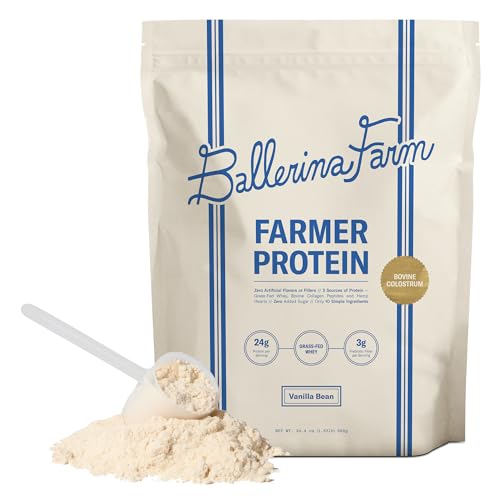
The best way to mix vanilla protein powder starts with what to mix with vanilla protein powder for maximum flavor. A tablespoon of natural peanut butter or almond butter adds richness that grounds the sweetness. Frozen banana creates a classic vanilla milkshake texture. A quarter teaspoon of cinnamon adds warmth and complexity.
For a tropical twist, blend vanilla protein with frozen mango and coconut water. For a dessert-style shake, add a teaspoon of instant coffee and a tablespoon of cocoa powder to create a vanilla mocha. Vanilla powder also pairs well with berries, especially strawberries and blueberries, which cut through any artificial sweetness.
How to Make Chocolate Protein Shakes Taste Better
Chocolate protein powder is the most popular flavor, but poor-quality versions can taste chalky or medicinal. Learning how to make chocolate protein shakes taste better starts with understanding that chocolate needs depth.
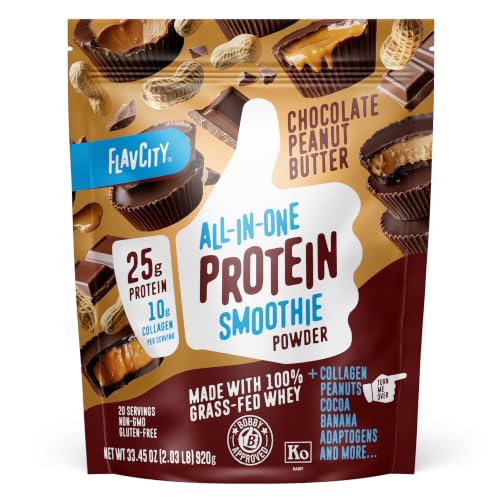
A tablespoon of unsweetened cocoa powder added to your chocolate protein shake intensifies the chocolate flavor without adding calories. Peanut butter transforms it into a chocolate peanut butter cup shake. Frozen banana adds creaminess and a natural sweetness that rounds out the bitterness.
Espresso powder is a game-changer for chocolate shakes. A teaspoon creates a mocha flavor profile that makes the shake taste like it came from a coffee shop. If your chocolate powder tastes too sweet, a pinch of sea salt can balance the flavor and make the chocolate notes more pronounced.
Should You Drink Protein Shakes Every Day?
Yes, for most adults over 50, a daily protein shake is a smart and safe strategy. Your body needs consistent protein intake to maintain lean muscle mass, support recovery from exercise, and preserve metabolic health. A shake is simply a convenient way to close any gap between what you eat and what your body needs.
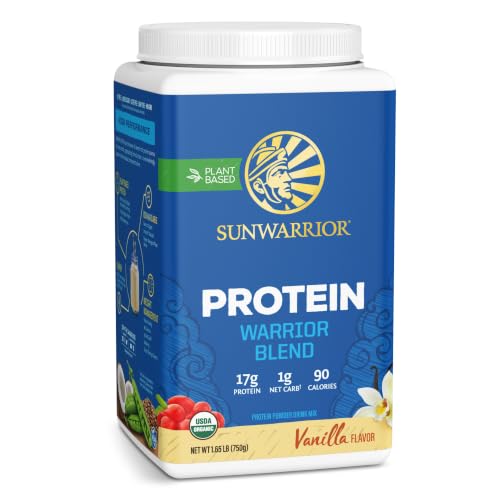
That said, there are upper limits to how much protein powder you should consume daily. For detailed guidance on safe intake levels, read our guide on Safe Protein Powder Limits After 50.
And if you have been skipping your shake on days you do not exercise, you may want to reconsider. Our article on Should You Drink Protein Shakes on Rest Days? explains why rest day nutrition is just as critical for muscle preservation.
Boost Your Shake With Creatine
One of the simplest ways to level up your protein shake is to add creatine monohydrate. Creatine is one of the most well-researched supplements available, and its benefits for adults over 50 are particularly compelling. It supports muscle strength, cognitive function, and recovery.
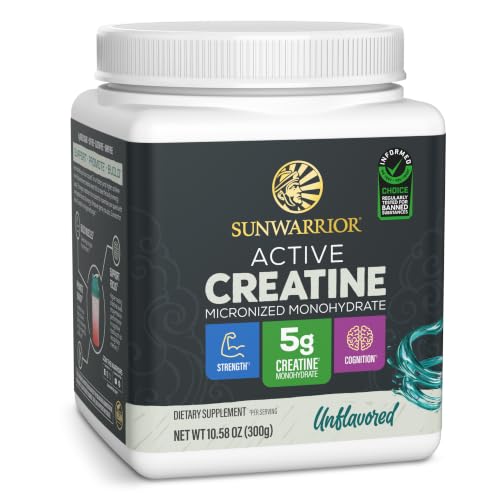
Adding 3 to 5 grams of unflavored creatine to your protein shake is tasteless and adds no calories. For a complete guide on the best options and dosing, visit our article on Best Creatine for Seniors. If you want to learn more about optimal mixing strategies, check out What Should I Mix Creatine With for Best Results?.
Frequently Asked Questions
How do I make protein shakes less chalky?
If you want to know how to make protein shakes less chalky, the most effective approach is to use a blender instead of a shaker bottle, switch from water to milk or a milk alternative, and add frozen fruit or Greek yogurt for thickness. Letting the blended shake rest for two minutes before drinking also allows the powder to fully hydrate, which smooths out the texture significantly.
What is the best liquid to mix with protein powder?
Unsweetened almond milk is a popular choice because it adds creaminess with minimal calories. Regular dairy milk, oat milk, and coconut water are also good options. The best choice depends on your calorie goals and any dietary restrictions you may have.
Can I add protein powder to coffee?
Yes. Adding a scoop of protein powder to your morning coffee is a simple way to increase your protein intake. Use a blender or frother to mix it thoroughly, as protein powder can clump in hot liquids. Whey isolate tends to mix best in coffee. Let the coffee cool slightly before adding the powder to prevent clumping.
Does blending protein powder destroy the protein?
No. Blending does not damage or reduce the protein content in any way. The mechanical action of blending simply breaks down particles and distributes the powder evenly. You get the same nutritional value whether you blend, shake, or stir your protein powder.
How many protein shakes should I drink per day after 50?
Most adults over 50 benefit from one to two protein shakes per day, depending on their overall diet and protein targets. The key is to use shakes as a supplement to whole food protein sources, not a replacement. For personalized recommendations, use our Protein Calculator Pro to determine your daily target.
What fruits go best with protein powder?
Frozen bananas, strawberries, blueberries, and mangoes are the most popular choices. Bananas add creaminess and natural sweetness. Berries add antioxidants with lower sugar content. Mango pairs especially well with vanilla protein powder for a tropical flavor.
How do I make protein shakes taste less powdery?
A powdery texture usually means the protein has not fully dissolved. The best way to make protein shakes taste less powdery is to use a blender instead of a shaker bottle, add your liquid first before the powder, and blend for at least 30 to 45 seconds. Letting the shake rest for two minutes after blending allows the powder to fully hydrate, which eliminates that gritty, powdery mouthfeel.
How can I make protein shakes taste better without a blender?
If you do not have a blender, use a shaker bottle with a wire mixing ball and shake vigorously for 30 to 60 seconds. Add your liquid first, then the powder. Using room-temperature liquid helps the powder dissolve faster than cold water. You can also pre-mix the powder with a small amount of liquid into a paste before adding the rest, which prevents clumps. Choosing a whey isolate over a concentrate also helps, as isolates tend to dissolve more easily.
How do I make protein powder taste good with water?
The best way to make protein powder taste good with water is to start with a high-quality whey isolate specifically designed for water mixing. Add a squeeze of lemon or lime for brightness, or stir in a teaspoon of sugar-free drink mix for flavor without calories. If plain water shakes still taste flat, try coconut water as a zero-effort upgrade that adds mild sweetness and electrolytes.
Final Thoughts
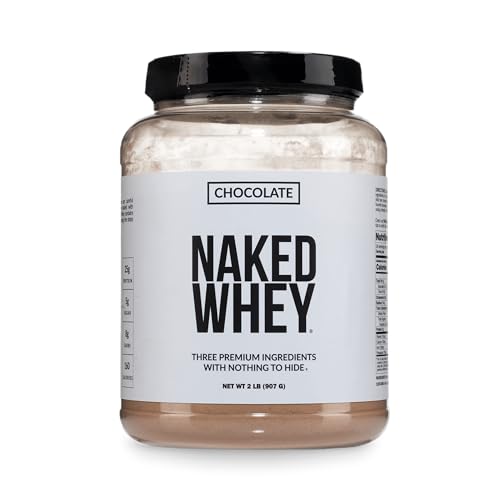
Learning how to make protein shakes taste better is not about complicated recipes or expensive ingredients. It is about small, smart adjustments that transform your daily shake from a chore into something you actually enjoy.
Start with one or two changes from this list and experiment until you find your winning combination. Protein drinks that taste good are not a myth. The best protein shake is the one you will drink consistently, because consistency is what drives real results over time.
Staying strong after 50 takes effort, but it does not have to taste bad. If you are combining your protein routine with strength training, make sure to check out our article on Is It Safe to Lift Weights at 65? to learn how resistance training and proper nutrition work together to preserve muscle and independence.
Medical Disclaimer: This content is for educational and informational purposes only. It is not intended to be a substitute for professional medical advice, diagnosis, or treatment. Please consult with your physician with any questions that you may have regarding a medical condition.
About the author

Claudia Faucher is a fitness and lifestyle blogger who shares practical tips for women over 50 on staying active, stylish, and confident. As the creator of FitFab50.com and Beyond59.com, she covers topics like workout gear, beauty trends, and wellness routines. Claudia is passionate about helping others live their best life at any age.
Last update on 2026-10-19 / Affiliate links / Images from Amazon Product Advertising API