Those brown patches on your hands and cheeks have one main driver: years of UV exposure. The best sunscreen for age spots on seniors won’t erase spots overnight, but it stops existing ones from getting darker and prevents new ones from forming.

Without daily SPF, nothing else in your brightening routine can reach its full potential. Here are the seven formulas worth your money.
Quick Picks: Best Sunscreen for Age Spots on Seniors
| Pick | Product | Best For |
|---|---|---|
| Best Overall | EltaMD UV Clear SPF 46 | All skin types, niacinamide for hyperpigmentation |
| Best Budget | CeraVe AM Facial Moisturizer SPF 30 | Dry or sensitive skin, everyday value |
| Best 2-in-1 Treatment | Neutrogena Rapid Tone Repair SPF 30 | Active spot fading + daily protection |
| Best Maximum Protection | La Roche-Posay Anthelios SPF 100 | Fair skin, extended outdoor time |
| Best for Serious Damage | ISDIN Eryfotona Actinica SPF 100+ | Existing actinic keratosis, DNA repair |
| Best Under Makeup | Supergoop! Unseen Sunscreen SPF 40 | No white cast, makeup wearers |
| Best for Deeper Skin Tones | Black Girl Sunscreen SPF 30 | Medium to deep complexions |
What Are Age Spots, Really?
Solar lentigines, or age spots, are flat darkened patches caused by years of UV exposure. Your melanocytes, the cells that produce pigment, go into overdrive to protect your skin from the sun. Over decades, that overproduction clusters into visible dark patches on the face, hands, shoulders, and forearms.
They are completely harmless, but they can make skin look older and uneven.
What makes age spots worse:
- Continued UV exposure without protection
- Hormonal changes during menopause
- Certain medications that increase photosensitivity
- Skin inflammation, which triggers further pigment overproduction
Every time UV rays hit unprotected skin, they signal your melanocytes to produce more pigment. Existing spots get darker and new ones form. Daily SPF use is the single most evidence-backed step you can take to slow that progression.
Not sure if you’re dealing with age spots or something more concerning? Check out my guide on best products for sun damaged skin on face for a deeper look at how to identify and treat different types of UV-related skin changes.
Can Sunscreen Actually Fade Age Spots and Hyperpigmentation?
Let’s clear this up because a lot of women in our community are confused about it.
Sunscreen does not fade existing age spots on its own. What it does is prevent UV rays from continuously signaling your melanocytes to produce more pigment. Once you cut off that trigger, your skin can begin to normalize pigment production. Some studies show consistent SPF use causes spots to lighten modestly over months, simply by removing the stimulus that keeps them activated.
What actually fades age spots:
- Vitamin C serums (L-ascorbic acid is the most potent form)
- Niacinamide at 4 to 10 percent concentration
- Retinoids including retinol, retinaldehyde, or prescription tretinoin
- Azelaic acid and kojic acid
- Chemical peels, IPL, and laser treatments performed by a dermatologist
The smart strategy: use a sunscreen that contains brightening co-ingredients like niacinamide or vitamin C so you get protection and pigment correction in one step. Several products on this list do exactly that.
What to Look for in the Best Sunscreen for Age Spots

Not all sunscreens are equal for seniors targeting hyperpigmentation. Here is what to prioritize.
1. Broad-Spectrum SPF 30 or Higher
UVA rays are the primary driver of age spot formation and darkening. They penetrate cloud cover and glass. You need broad-spectrum protection covering both UVA and UVB, and the AAD recommends SPF 30 as the daily minimum.
2. Niacinamide for Dark Spots
This multi-tasking ingredient blocks the transfer of melanin to skin cells, directly interrupting the age spot formation process. Sunscreen with niacinamide for dark spots is the single most efficient morning product for seniors dealing with hyperpigmentation.
3. Antioxidants
Vitamin C, vitamin E, and plant-based antioxidants fight the oxidative stress that accelerates pigmentation. Some sunscreens now include stable vitamin C derivatives that won’t degrade the way pure L-ascorbic acid does.
4. Mineral vs. Chemical Filters
Both work well. Mineral sunscreens with zinc oxide and titanium dioxide sit on top of skin and deflect UV rays. They are gentler for sunscreen for sensitive skin with age spots because they rarely cause reactions. Chemical sunscreens absorb UV but may irritate reactive or compromised skin.
5. No White Cast
Older mineral formulas leave a chalky residue that makes skin look ashy, especially on medium and deeper skin tones. Look for micronized zinc oxide or tinted formulas that blend seamlessly.
If you are also shopping for eye area protection, my guide on best sunscreen for eyelids covers the gentlest options that won’t sting or migrate.
Quick Comparison: Best Sunscreen for Age Spots on Seniors
| Product | SPF | Type | Key Brightening Ingredient | Best For |
|---|---|---|---|---|
| EltaMD UV Clear | 46 | Mineral | Niacinamide | Oily/combo skin, hyperpigmentation |
| La Roche-Posay Anthelios | 100 | Chemical | Antioxidant complex | Maximum protection seekers |
| Neutrogena Rapid Tone Repair | 30 | Chemical | Vitamin C + Retinol | Active spot fading + daily protection |
| CeraVe AM Facial Moisturizer | 30 | Chemical | Niacinamide + Ceramides | Dry/sensitive skin on a budget |
| ISDIN Eryfotona Actinica | 100+ | Mineral | Photolyase (DNA repair enzyme) | Existing sun damage, actinic keratosis |
| Supergoop! Unseen | 40 | Chemical | Red algae antioxidants | Under makeup, no white cast |
| Black Girl Sunscreen | 30 | Chemical | Avocado + jojoba | Medium/deeper skin tones |
7 Best Sunscreens for Age Spots on Seniors: Full Reviews
1. EltaMD UV Clear Broad-Spectrum SPF 46
Best Overall for Hyperpigmentation
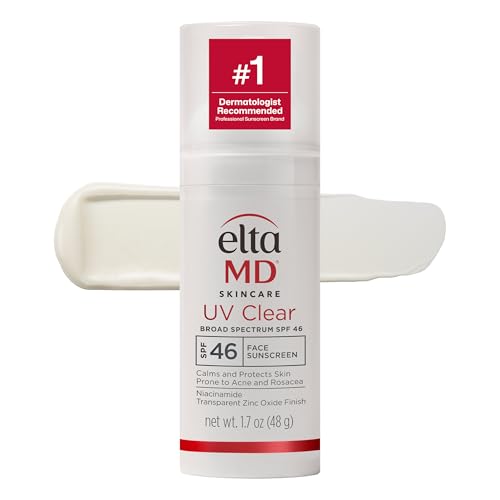
Why Buy: The only sunscreen I recommend to almost every woman in our community, regardless of skin type, because the niacinamide does double duty while the formula disappears completely on skin.
If I had to recommend just one sunscreen for seniors dealing with age spots, this would be it. EltaMD UV Clear contains 9 percent zinc oxide along with niacinamide and hyaluronic acid in a formula that dermatologists have trusted for decades.
Why it works for age spots: Niacinamide is a clinically proven pigment inhibitor that reduces the transfer of melanin to skin cells. Combined with broad-spectrum SPF 46, you get active protection against new spot formation while niacinamide works on what is already there.
Texture: Lightweight, oil-free, and completely clear. This is one of the few zinc oxide formulas that leaves zero white cast, which is a game changer for daily wear.
Best for: All skin types. Especially great for oily, combination, or acne-prone seniors. Works beautifully under makeup.
Note: This is the same sunscreen I recommend in my 31 must-have beauty products for women over 50 roundup as the SPF formula that finally converts reluctant sunscreen users.
2. La Roche-Posay Anthelios Melt-in Milk SPF 100
Best High-Protection Option for Maximum Defense

Why Buy: When you have fair skin or a history of significant sun damage, the extra margin of SPF 100 is worth every penny, and this formula delivers it in a texture that doesn’t feel like sunscreen at all.
For anyone with a history of significant sun damage or extended outdoor time, going higher than SPF 50 makes sense. La Roche-Posay Anthelios uses Mexoryl SX technology, a UVA filter not widely available in the U.S., alongside broad-spectrum chemical filters for exceptional coverage.
Why it matters for age spots: The higher the SPF, the more complete your block against the UV triggers that darken existing spots. SPF 100 blocks approximately 99 percent of UVB rays compared to 97 percent with SPF 30. That one to two percent matters when you are actively trying to stop hyperpigmentation from progressing.
Texture: Surprisingly lightweight and silky for such a high SPF. Absorbs well and does not pill under makeup.
Best for: Fair-skinned seniors, those with existing sun damage, or anyone spending extended time outdoors. Also a good choice for post-treatment skin after chemical peels or laser procedures.
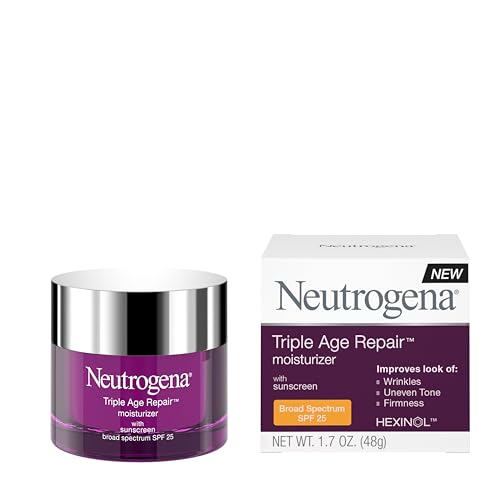
3. Neutrogena Rapid Tone Repair Moisturizer SPF 30
Best 2-in-1 Treatment and Protection Formula
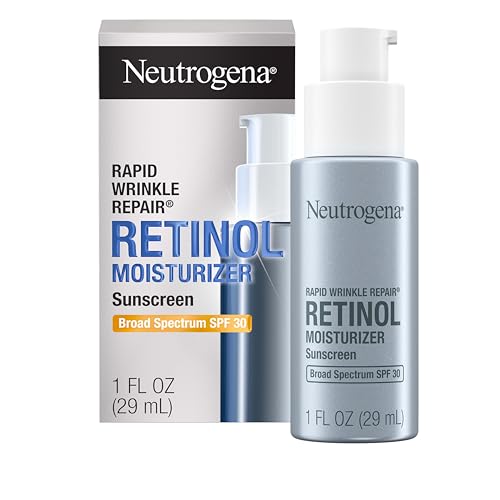
Why Buy: If you want to fade existing age spots and protect against new ones in a single morning product, this is the most efficient formula you will find at the drugstore.
This one is unique because it is a sunscreen and an active spot treatment in one bottle. The formula contains vitamin C and retinol alongside SPF 30, which means you are addressing age spots from two directions at once: blocking further UV damage and actively promoting faster skin cell turnover.
Why it works: Retinol accelerates cell renewal to push pigmented cells to the surface where they shed faster. Vitamin C brightens and provides antioxidant defense. Together with SPF 30, this is one of the most proactive formulas on the market for seniors looking to fade age spots while protecting against new ones.
Heads up: Because it contains retinol, do a patch test first if you have reactive skin. If your skin is particularly sensitive, consider using a separate retinol product at night and reserving this formula for mornings when you need that vitamin C boost.
Best for: Seniors who want an active spot-fading product built into their morning routine and who prefer chemical sunscreen formulas.
4. CeraVe AM Facial Moisturizing Lotion SPF 30
Best Budget-Friendly Sunscreen for Age Spots on Seniors
Why Buy: Niacinamide and ceramides at a drugstore price, in a formula gentle enough for even the most reactive mature skin. This is the easiest yes on the entire list.
If you want clinically effective ingredients without spending a lot, CeraVe AM is hard to beat. It contains niacinamide and three essential ceramides alongside SPF 30 broad-spectrum protection.
Why it works for age spots: Niacinamide at the concentration in this formula has been shown in multiple studies to reduce the appearance of dark spots within four to eight weeks of consistent use. The ceramides repair your skin barrier, which helps all your other skincare products penetrate and perform better.
Texture: Lightweight lotion that absorbs quickly. Works well under makeup. Non-comedogenic and fragrance-free, which matters for mature skin that tends to be more reactive.
Best for: Budget-conscious seniors, anyone with dry or sensitive skin, and women who want a gentle but effective daily moisturizer with SPF. This is the ideal entry point for sunscreen for seniors with dry skin and dark spots.
5. ISDIN Eryfotona Actinica SPF 100+
Best Sunscreen for Seniors with Significant Sun Damage History
Why Buy: This is the only sunscreen on the market with photolyase, a DNA repair enzyme, which means it is doing something no other SPF can do: actively helping your skin repair UV damage that has already occurred.
This is the most specialized formula on this list. It earns its spot because of one remarkable ingredient: photolyase. This DNA repair enzyme, derived from plankton, supports your skin’s own repair mechanisms for UV-induced cellular damage.
Why this is different: Every other sunscreen on this list prevents future UV damage. Eryfotona Actinica goes further by supporting repair of damage that has already occurred. Research has shown it can help reduce the appearance of existing actinic keratosis and slow the progression of sun-damaged skin.
Actinic keratoses are pre-cancerous lesions that can develop alongside age spots on seniors with extensive sun exposure history. If you are managing these alongside hyperpigmentation, read my detailed guide on best products for actinic keratosis treatment at home for a full treatment plan.
Texture: Lightweight fluid, oil-free, and mineral-based with 100 percent zinc oxide. Goes on completely sheer without white cast.
Best for: Seniors who have seen a dermatologist for sun damage, those managing actinic keratosis, and anyone wanting science-backed DNA support along with maximum UV protection.
6. Supergoop! Unseen Sunscreen SPF 40
Best No-White-Cast Sunscreen for Mature Skin Under Makeup
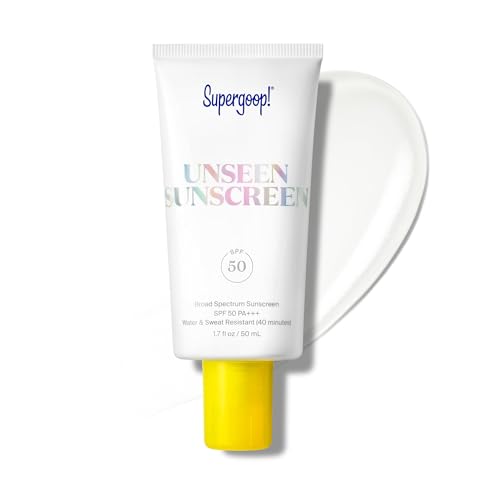
Why Buy: If texture or white cast has ever made you skip your sunscreen, this gel formula fixes both problems so completely that you will stop thinking of SPF as a chore.
If you have avoided daily sunscreen because of white cast, sticky texture, or pilling under foundation, Supergoop! Unseen was formulated specifically to solve all three.
Why it is on this list: Red algae extract provides antioxidant protection while the SPF 40 formula delivers broad-spectrum coverage. The gel-like texture is 100 percent colorless and works as a makeup primer. This makes it the easiest sunscreen to actually wear every single day, which is what matters most for preventing age spot darkening.
The consistency factor: The best sunscreen for age spots is the one you put on every morning without skipping. Supergoop! solves the compliance problem beautifully. If white cast or heavy texture has been your barrier, start here.
Best for: Makeup wearers who need a seamless SPF base, all skin tones, and anyone who has struggled to stick with daily sunscreen. This also works well as a non-greasy sunscreen for mature skin with age spots.
7. Black Girl Sunscreen Moisturizing Sunscreen SPF 30
Best Sunscreen for Age Spots on Medium to Deeper Skin Tones
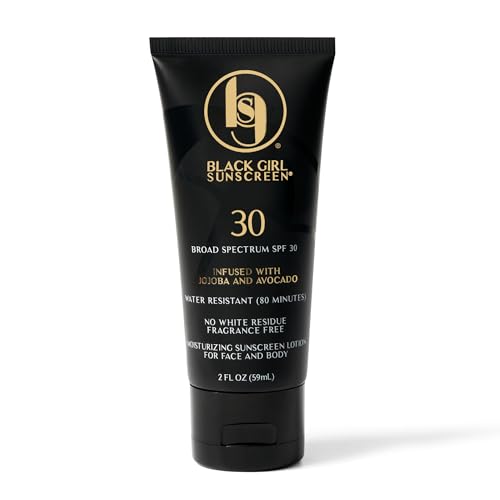
Why Buy: Finally a sunscreen formulated for darker complexions that absorbs completely and pairs perfectly with brightening serums without leaving any residue that blocks their absorption.
Age spots can be just as prominent, and sometimes more stubborn, on medium and deeper skin tones. Most sunscreens were not formulated with darker complexions in mind, which is exactly why Black Girl Sunscreen earns its place here.
Why it is different: This SPF 30 chemical sunscreen absorbs completely without any white cast. The formula includes avocado oil, jojoba, and sunflower oil for nourishing moisture. It is fragrance-free and leaves skin with a healthy, non-greasy finish.
For age spots on darker skin: Post-inflammatory hyperpigmentation and solar lentigines tend to be more stubborn on deeper skin tones. This formula pairs perfectly with brightening serums because it does not leave a residue that blocks ingredient penetration.
Best for: Women with medium to deep skin tones who have struggled to find sunscreens that don’t leave a gray or white cast. Also excellent for sensitive skin sunscreen for dark spots on Black women over 50.
How to Use Sunscreen to Get the Best Results on Age Spots
Sunscreen must be applied correctly to work. Here is the daily routine I recommend for seniors targeting hyperpigmentation.
Step 1: Cleanse and prep your skin
Use a gentle cleanser morning and evening. Pat dry and let skin settle for 30 seconds before applying anything.
Step 2: Apply your brightening serum
Vitamin C or niacinamide serum goes here. Apply to dry skin and let it absorb for about 60 seconds. Active ingredients need direct contact with skin for maximum absorption.
Step 3: Moisturize if needed
If you have dry skin, apply a lightweight moisturizer. If your sunscreen is a moisturizer-SPF hybrid like CeraVe AM, you can skip this step.
Step 4: Apply sunscreen as your final morning step
Use approximately a quarter teaspoon for the face and neck. Most people apply only 25 to 50 percent of the amount needed, which dramatically reduces actual SPF performance.
Step 5: Reapply every two hours if outdoors
No sunscreen lasts all day. Keep a sunscreen stick or spray in your bag for easy reapplication without disturbing your makeup.
For a comprehensive look at the best sunscreens formulated specifically for our age group, see my full guide on the best sunscreen for mature skin.
The Complete Age Spot Strategy: Sunscreen Plus These Ingredients

Since sunscreen alone won’t fade existing age spots, here is the combination approach that delivers visible results over 8 to 12 weeks.
- Morning: Vitamin C serum, then SPF 30 or higher broad-spectrum sunscreen
- Evening: Gentle cleanser, then a niacinamide serum or retinol product
- Weekly: A gentle chemical exfoliant such as lactic acid or glycolic acid to speed cell turnover
- Ongoing: Reapply sunscreen every two hours outdoors, no exceptions
For women who also want tinted coverage while protecting against age spots, my roundup of the best tinted moisturizer with SPF for mature skin is worth a read. Several of those options double as brightening treatments.
Frequently Asked Questions
What SPF is best for reducing age spots on seniors?
Dermatologists recommend a minimum of SPF 30 for daily use. For seniors with existing significant sun damage or extended outdoor time, SPF 50 to 100 provides a higher margin of protection. The key is applying enough product and reapplying every two hours when outside. The best SPF for seniors with age spots is any broad-spectrum formula you’ll actually wear consistently.
Will sunscreen lighten age spots already on my skin?
Not directly. Sunscreen prevents UV rays from continuing to darken age spots and trigger new ones. Over several months of consistent daily use, some spots may fade slightly because you’ve removed the UV trigger. But for visible lightening, you’ll need brightening treatments like vitamin C serums, niacinamide, or retinol alongside your SPF.
Is mineral or chemical sunscreen better for age spots?
Both work equally well for UV protection. For seniors with sensitive skin prone to reactions, mineral sunscreens with zinc oxide and titanium dioxide are gentler. For everyday wearability and no white cast, many chemical formulas work better under makeup. The best choice is the one you’ll actually apply every morning.
How long does it take for sunscreen to help with age spots?
With consistent daily SPF use combined with a brightening ingredient like niacinamide or vitamin C, most seniors start to see some lightening of existing age spots within 8 to 12 weeks. Preventing new spots from forming happens immediately. This is a months-long process, not a weeks-long one. Patience and consistency are the real active ingredients.
Can I use sunscreen over my spot treatment?
Yes, and this is exactly the right approach. Apply your spot treatment or brightening serum directly to clean skin first, then layer sunscreen on top. Applying sunscreen last in your morning routine ensures it forms a complete protective barrier without being diluted by anything underneath.
What ingredients in sunscreen help with dark spots?
Niacinamide is the most effective brightening ingredient you’ll find in sunscreens because it works by blocking melanin transfer to skin cells. Look for it in EltaMD UV Clear and CeraVe AM. Some formulas also include vitamin C derivatives, red algae antioxidants, and photolyase in ISDIN Eryfotona Actinica that support skin repair alongside UV protection.
Is it too late to start wearing sunscreen for age spots?
Absolutely not. Starting sunscreen at any age immediately stops UV rays from worsening existing age spots and forming new ones. Many seniors see visible improvement in their skin tone within six months of beginning a consistent SPF routine paired with brightening products. It is never too late to protect your skin.
The Bottom Line
Sunscreen is not a quick fix for dark spots. But it is the foundation every other brightening product depends on. Without daily SPF blocking the UV trigger, retinol, niacinamide, and vitamin C serums are fighting an uphill battle.
The best sunscreen for age spots on seniors gives you that protection while bringing brightening co-ingredients along for the ride. My top pick for most seniors is EltaMD UV Clear SPF 46 for its niacinamide content, clear finish, and decades of dermatologist trust. If budget matters, CeraVe AM SPF 30 delivers nearly the same brightening benefits for a fraction of the cost.
Start today. Your skin’s ability to respond to treatment doesn’t disappear with age. It just needs you to stop the trigger first.
About the author

Claudia Faucher is a fitness and lifestyle blogger who shares practical tips for women over 50 on staying active, stylish, and confident. As the creator of FitFab50.com and Beyond59.com, she covers topics like workout gear, beauty trends, and wellness routines. Claudia is passionate about helping others live their best life at any age.
Last update on 2026-10-07 / Affiliate links / Images from Amazon Product Advertising API