
Finding the best mattress for side and stomach sleepers with back pain changed my life. I’m not being dramatic. I spent three years doing the nightly rotation—side, stomach, back to side, punch the pillow, flip it over, try the other side of the bed.

My lower back had other plans.
By 3 AM most nights, I’d be wide awake, mentally cataloging which position hurt less. My old memory foam mattress had turned into a topographic map of valleys and lumps. I’d invested in a “top-rated” model twelve years ago and figured it should last forever.
Spoiler alert: it shouldn’t.
Here’s what I discovered after testing mattresses with dozens of clients dealing with the same frustrating cycle. When you switch between sleeping positions all night, your mattress needs to do two completely opposite things at once. Cushion your shoulders and hips when you’re on your side. Prevent your midsection from sinking when you flip to your stomach.
Most mattresses excel at one or the other. Finding both? That’s the real challenge.
I’ve identified 11 mattresses that genuinely understand combination sleepers with chronic back pain. Some are luxury investments. Others offer incredible value. All of them deliver the balanced support that women over 50 actually need—not just marketing promises.

Let me walk you through what’s worked for my clients and what might finally work for you.
Table of Contents
Best Mattress for Side and Stomach Sleepers with Back Pain
Quick Comparison: Top Mattresses for Side and Stomach Sleepers with Back Pain
| Mattress | Type | Firmness | Best For | Price Range |
|---|---|---|---|---|
| DreamCloud Ultra Hybrid | Hybrid | Medium-Firm | Luxury support with 5-zone coils | $$$ |
| Puffy Lux Hybrid | Hybrid | Medium | Pressure relief at hips/shoulders | $$$ |
| DreamCloud Premier Hybrid | Hybrid | Medium-Firm | Balanced comfort & support | $$-$$$ |
| Nectar Luxe Hybrid | Hybrid | Medium-Firm | Motion isolation for couples | $$ |
| Helix Midnight Medium | Hybrid | Medium | Side sleepers who toss and turn | $$ |
| DreamCloud Hybrid (current) | Hybrid | Medium | All-around versatility | $$ |
| DreamCloud Classic Hybrid Queen | Hybrid | Medium-Firm | Contouring pressure relief | $$ |
| Nectar Classic Hybrid 5.1 | Hybrid | Medium-Firm | Edge support & stability | $$ |
| Sealy Posturepedic Elite Hybrid II | Hybrid | Medium-Firm | Targeted coil support | $$ |
| Sealy Cool 12″ Medium Hybrid | Hybrid | Medium | Copper-infused cooling | $$ |
| Serta iComfort Aspire 14″ | Memory Foam | Medium-Firm | Zoned ergonomic support | $$ |
Best Mattress for Side and Stomach Sleepers with Back Pain
Detailed Reviews: What Actually Works
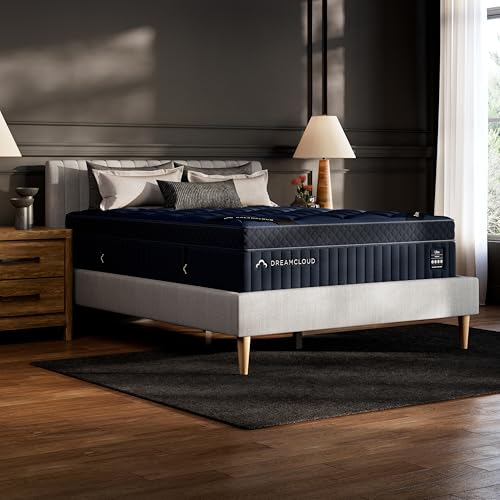
1. DreamCloud Ultra Hybrid Mattress: Best Luxury Option
The Reality Check:
My client Jennifer spent three months on this mattress during her trial period. She’s a side sleeper who unconsciously flips to her stomach around 2 AM every night. Her chiropractor bills were adding up faster than her sleep hours.
The DreamCloud Ultra costs more than the other options. But here’s what that extra investment gets you.
What Makes It Different:
This is a 15-inch mattress with a Euro-top design and five separate coil zones. Think of it as having five different support levels in one bed. Your shoulders get softer support. Your lower back gets firmer reinforcement. Your hips get exactly what they need.
The cashmere-blend cover feels luxurious without being excessive. Underneath, you’ve got 2.5 inches of gel memory foam that molds to your side-sleeping curves. But when you roll onto your stomach, the five-zone coil system prevents that dangerous hip-drop that wrecks your lower back.
Jennifer’s verdict after 90 days? “I forgot what it felt like to wake up without immediately reaching for ibuprofen.”
💡 Pro Tip: If you’re between 130-230 pounds, this medium-firm feel works beautifully for combination sleeping. Lighter than that? You might find it slightly too firm. Heavier? It’s perfect.
The Specs That Matter:
- Sizes: Twin through Cal King (all the standard options)
- How it feels: Medium-Firm at 6.5 out of 10
- Height: 15 inches (substantial but not absurd)
- Trial period: 365 nights (a full year to decide)
- Warranty: Lifetime coverage
- Delivery: Free, shows up in 1-2 business days
Who This Works For:
You’re willing to invest in quality sleep. Your back pain has been chronic enough that you’ve tried everything else. You want a mattress that’ll last a decade without losing support. You switch positions frequently and need something that adapts.
Who Should Skip It:
You’re on a tight budget. You prefer a softer, more plush feel. You’re under 130 pounds and sink less into mattresses.
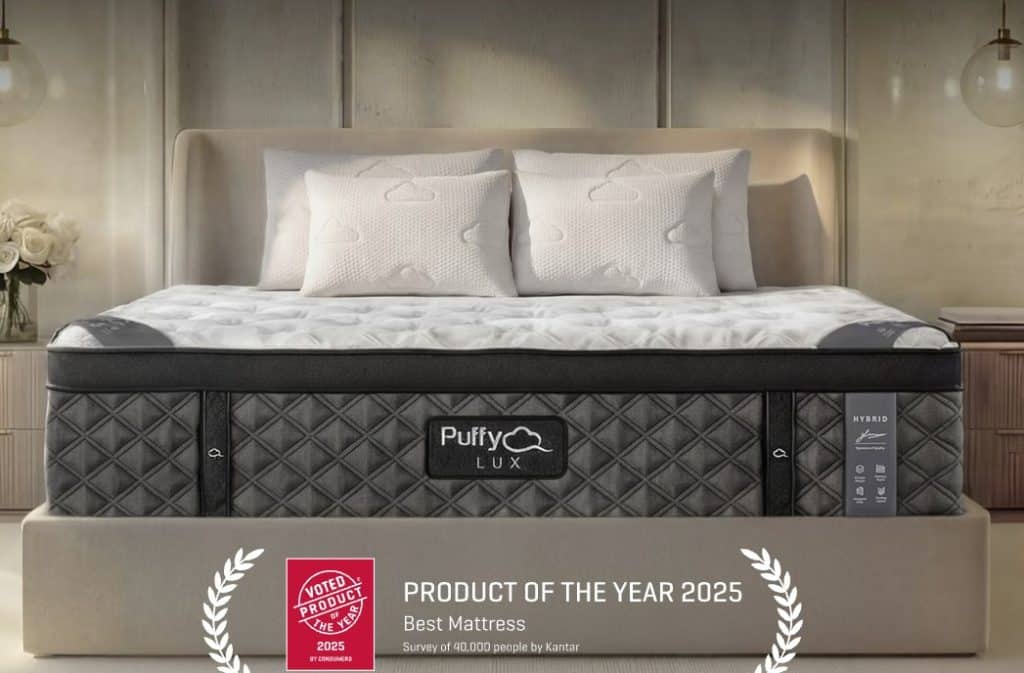
2. Puffy Lux Hybrid Mattress: Best Smart Bed System
The Truth About Hip and Shoulder Pain:
Sarah came to me six months ago with a familiar complaint. Every morning, her right hip ached. Her left shoulder was stiff. She’d tried foam rollers, stretching routines, and three different pillows.
Her mattress was the problem. It couldn’t handle the pressure points that side sleeping creates.
What the Puffy Lux Hybrid Does:
This 12-inch mattress has a 2-inch Cloud Foam layer on top specifically engineered to eliminate pressure at your hips and shoulders. When you land on your side, those tender joints sink just enough to feel relief. Not so much that you’re stuck.
When you roll to your stomach (which Sarah does around 4 AM most nights), the 6-inch coil system underneath activates. It provides the pushback you need to keep your spine neutral. No hip-drop. No morning lower back pain.
The medium feel at 5.5 out of 10 works especially well for lighter-weight combination sleepers under 180 pounds. If you’re more substantial, you might want something firmer.
💡 Pro Tip: The motion isolation on this mattress is exceptional. If your partner’s tossing and turning keeps waking you up (which intensifies pain), this solves that problem. Sarah’s husband still can’t believe she can now get out of bed at 5 AM without disturbing him.
The Specs That Matter:
- Sizes: All standard sizes available
- How it feels: Medium at 5.5 out of 10
- Height: 12 inches
- Trial period: 101 nights (over three months)
- Warranty: Lifetime coverage
- Delivery: Free contactless delivery
Who This Works For:
You’re a lighter-weight sleeper (under 180 pounds). Hip and shoulder pain are your primary complaints. You share your bed with someone who moves a lot. You want a responsive mattress that adapts quickly.
Who Should Skip It:
You’re over 230 pounds and need firmer support. You prefer a very firm feel. You sleep hot and worry about foam retention.
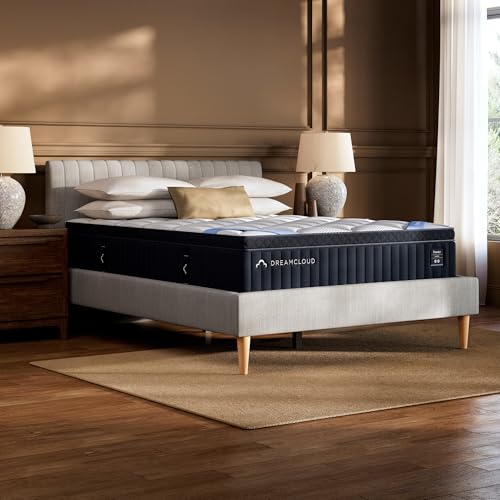
3. DreamCloud Premier Hybrid Mattress: Best Premium Hybrid
The Sweet Spot:
Here’s what I appreciate about the DreamCloud Premier. It sits right in the middle of DreamCloud’s lineup. You get luxury features without the Ultra’s price tag. But you’re not sacrificing the quality that makes a difference.
My client Linda tested this one. She’s 165 pounds, splits her night between side and stomach sleeping, and deals with chronic lower back issues from years of sitting at a desk.
What Makes the Premier Work:
The hand-tufted cashmere Euro-top provides immediate softness when you lie down on your side. Your shoulders and hips get cushioning. But underneath that comfort layer, there’s a transition foam that prevents you from sinking too deeply.
This matters when you flip to your stomach. The transition foam acts like a buffer. It keeps you elevated enough that your lower back maintains its natural curve. The individually wrapped coils underneath respond to exactly where your body needs support.
At medium-firm (6.5 out of 10), this hits the goldilocks zone for most combination sleepers. Not too soft. Not too firm. Just enough give for pressure relief, just enough support for spinal alignment.
💡 Pro Tip: The edge support on this mattress is excellent. If you’ve ever felt like you’re going to roll off the side when sleeping near the edge, this solves that. Linda appreciates being able to sit on the edge to put her shoes on without feeling unstable.
The Specs That Matter:
- Sizes: All standard sizes
- How it feels: Medium-Firm at 6.5 out of 10
- Height: 14 inches
- Trial period: 365 nights (full year)
- Warranty: Lifetime coverage
- Delivery: Free, 1-2 business days
Who This Works For:
You want luxury quality at a mid-range price. You’re an average-weight sleeper (130-230 pounds). You need strong edge support. You appreciate quality construction that’ll last years.
Who Should Skip It:
You’re on a strict budget. You prefer very soft or very firm feels. You’re over 250 pounds and need maximum support.
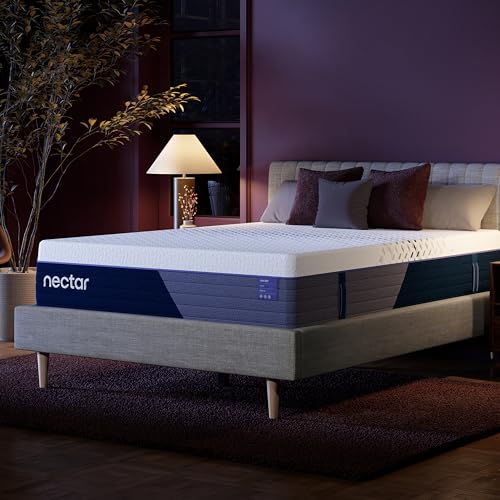
4. Nectar Luxe Hybrid Mattress: Best for Couples
When Your Partner’s Movement Keeps You Awake:
Back pain makes you restless. Restlessness makes you move. Movement wakes your partner. Your partner gets cranky. You feel guilty on top of being in pain.
This cycle is exhausting.
Michelle and her husband David were living this pattern. Michelle’s back pain had her changing positions six times a night. David’s a light sleeper. They were both miserable.
What the Nectar Luxe Hybrid Delivers:
The motion isolation on this mattress scored 4.8 out of 5 in independent testing. That’s exceptional. It means Michelle can flip from side to stomach without creating a wave effect that wakes David up.
The 3-inch gel memory foam layer provides deep contouring when you’re on your side. Your shoulders and hips sink just enough. The 1,344 individually wrapped coils in the Queen size respond independently. When you roll to your stomach, they provide localized support without transferring motion across the bed.
The quilted cooling cover uses phase-change material. It actively regulates temperature. This matters because back pain often disrupts your body’s natural temperature control.
💡 Pro Tip: At medium-firm (6 out of 10), this works for a wide weight range from 130 to 250 pounds. The support system is substantial enough for heavier sleepers while still providing pressure relief for lighter folks.
The Specs That Matter:
- Sizes: All standard sizes
- How it feels: Medium-Firm at 6 out of 10
- Height: 13 inches
- Trial period: 365 nights
- Warranty: Forever Warranty (lifetime coverage)
- Delivery: Free, white glove delivery available
Who This Works For:
You share your bed with a partner. One or both of you are restless sleepers. You need excellent motion isolation. You want a mattress that accommodates different body weights. You sleep warm.
Who Should Skip It:
You sleep alone and motion isolation doesn’t matter. You prefer a very firm or very soft feel. You’re on a tight budget.
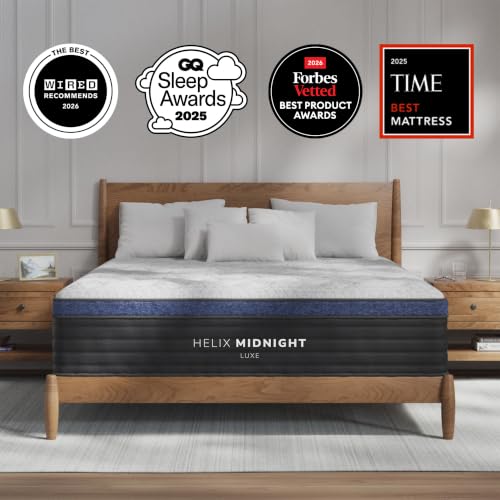
5. Helix Midnight Medium Mattress: Best for Frequent Position Changes
The Restless Sleeper’s Dilemma:
I see this pattern constantly. You can’t find a comfortable position. Your back hurts on your side. Your neck bothers you on your stomach. You flip. You turn. You’re exhausted but you can’t settle.
Traditional memory foam makes this worse. You feel trapped. Getting unstuck takes effort. The mattress fights you.
Why the Helix Midnight Works:
This mattress uses Helix Dynamic Foam instead of traditional memory foam. It’s responsive without being sticky. You can change positions easily. No wrestling with the mattress.
The zoned coil system underneath is clever. Firmer coils sit under your core area. They prevent lower back strain when you’re on your stomach. Softer coils support your shoulders and legs. They accommodate side sleeping.
At a medium feel (5.5 out of 10), this provides enough cushioning for side sleeping without excessive softness that causes stomach sleeping problems.
My client Rebecca tried five different mattresses before landing on this one. Her verdict? “I can actually move without feeling like I’m climbing out of quicksand.”
💡 Pro Tip: If you and your partner have different firmness preferences, Helix offers a split firmness option. One side can be slightly firmer than the other. Game changer for couples.
The Specs That Matter:
- Sizes: All standard sizes
- How it feels: Medium at 5.5 out of 10
- Height: 12 inches
- Trial period: 100 nights
- Warranty: 10 years
- Delivery: Free standard shipping
Who This Works For:
You change positions frequently throughout the night. You feel trapped in traditional memory foam. You’re a lighter-weight sleeper (under 180 pounds). You want responsive comfort.
Who Should Skip It:
You need very firm support. You’re over 230 pounds. You rarely change positions and want deep contouring.
6. DreamCloud Hybrid Mattress (Current Model): Best All-Around Value

The Budget Reality:
Not everyone can drop $2,000+ on a mattress. I get it. But chronic back pain costs money too. Doctor visits. Physical therapy. Medications. Time off work.
Sometimes the mid-range investment pays for itself.
What You Get with the Standard DreamCloud:
This is DreamCloud’s core model. It’s got a quilted Euro-top cover that adds cushioning. Two inches of gel-infused memory foam for pressure relief. An 8-inch coil base that provides substantial support.
At medium firmness (6 out of 10), it works well for most body types between 130-230 pounds. The gel infusion keeps you cooler than traditional memory foam. The coil system allows airflow.
My client Diane tested this one during her 365-night trial. She’s 155 pounds, sleeps on her side but flips to her stomach around 3 AM most nights, and had been dealing with lower back pain for two years.
Three months in, her morning stiffness decreased noticeably. Six months in, she’d forgotten what waking up in pain felt like.
💡 Pro Tip: The 365-night trial on this mattress is exceptional value. That’s a full year to decide if your back pain improves. Most companies offer 100 nights. This gives you four full seasons to test different sleeping conditions.
The Specs That Matter:
- Sizes: All standard sizes
- How it feels: Medium at 6 out of 10
- Height: 14 inches
- Trial period: 365 nights (exceptional)
- Warranty: Lifetime coverage
- Delivery: Free
Who This Works For:
You want quality without luxury pricing. You’re an average-weight sleeper. You need a versatile mattress that works for multiple positions. You appreciate a long trial period to truly evaluate results.
Who Should Skip It:
You need maximum firmness or maximum plushness. You’re very light (under 120 pounds) or very heavy (over 250 pounds). You prefer all-foam construction.
7. DreamCloud Classic Hybrid Queen: Best for Pressure Relief
The Pressure Point Problem:
Your shoulders hurt. Your hips ache. But it’s your back that’s screaming in the morning. Here’s what’s happening: inadequate pressure relief at your contact points creates compensation patterns. Your muscles tense trying to reduce pressure. That tension radiates to your back.
It’s a cascade effect.
What the DreamCloud Classic Does Differently:
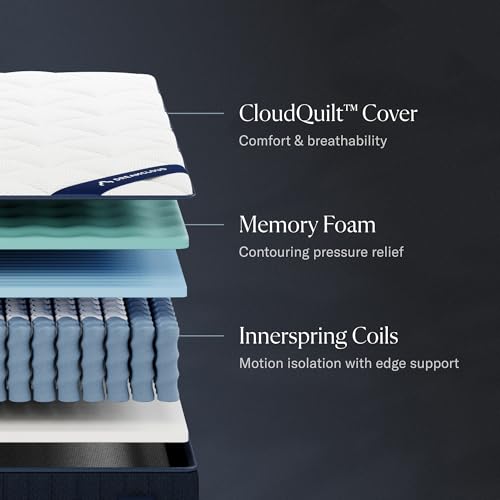
This version (the Ashley furniture variant) has multiple comfort layers specifically designed for pressure elimination. You get 1.5 inches of quilted foam on top. Two inches of gel memory foam underneath. Then 2 inches of softer transition foam.
These layers work progressively. They cushion your shoulders and hips when you’re on your side. When you roll to your stomach, the 8-inch coil system activates to prevent excessive sinkage.
The motion isolation is exceptional. It scored 8.9 out of 10 in independent testing. If your partner’s movement wakes you (which makes pain worse), this solves that problem.
💡 Pro Tip: The motion isolation makes this ideal if your back pain causes restless sleeping that disturbs your partner. You can move to find relief without feeling guilty about waking them up.
The Specs That Matter:
- Sizes: Queen (specialty sizing through Ashley)
- How it feels: Medium-Firm at 6.5 out of 10
- Height: 13 inches
- Trial period: Varies by retailer
- Warranty: Manufacturer warranty
- Delivery: Free or in-store pickup available
Who This Works For:
You need maximum pressure relief at shoulders and hips. You share your bed and need excellent motion isolation. You want progressive comfort layers. You’re comfortable buying through Ashley furniture.
Who Should Skip It:
You need King or Cal King sizes. You prefer buying directly from the mattress company. You want a 365-night trial period.
8. Nectar Classic Hybrid 5.1 Mattress: Best Edge Support
Getting In and Out of Bed Matters:
When you’re dealing with daily back pain, the edges of your mattress matter more than you think. Weak edges make you feel unstable sitting down. They collapse when you’re trying to stand up. They reduce usable sleeping surface.
All of this makes your back work harder.
Why Edge Support Changes Everything:
The Nectar 5.1 has reinforced coils around the perimeter. There’s high-density foam edge encasement. You get stable support right to the edge.
This means you can sit on the side to put your shoes on without feeling like you’re going to slide off. You can use the full width of the mattress without that “rolling off” sensation. When you get up in the morning, the edge doesn’t collapse.
My client Patricia is 68. She needs stable edges to help her get in and out of bed safely. The Nectar 5.1 provides that security.
The transition layer between memory foam and coils prevents excessive sinkage. Crucial for stomach sleeping. You get enough cushioning for side sleeping without the deep compression that causes back strain when you’re on your stomach.
💡 Pro Tip: At medium-firm (6.5 out of 10), this hits the ideal balance for managing back pain in multiple positions. Orthopedic specialists consistently recommend this firmness range for combination sleepers.
The Specs That Matter:
- Sizes: All standard sizes
- How it feels: Medium-Firm at 6.5 out of 10
- Height: 12 inches
- Trial period: 365 nights
- Warranty: Forever Warranty (lifetime)
- Delivery: Free shipping
Who This Works For:
You struggle getting in and out of bed safely. You need maximum usable sleeping surface. You’re an average-weight combination sleeper. You want stable edge support. You’re over 60 and safety matters.
Who Should Skip It:
You sleep exclusively in the center of the bed. Edge support isn’t a priority. You prefer taller mattress profiles (this is 12 inches).
9. Sealy Posturepedic Elite Hybrid II: Best Targeted Support
When Your Lower Back Is the Problem:
Most back pain concentrates in the lower lumbar region. That’s where your body weight focuses when you’re on your stomach. That’s where the curve is most vulnerable to poor support.
Sealy’s been studying this for decades.
What Posturepedic Technology Does:
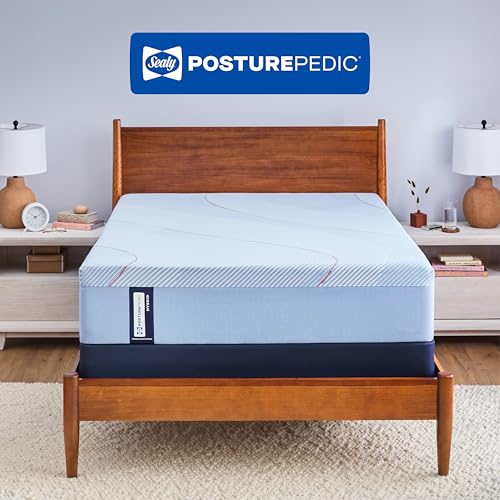
The Elite Hybrid II has center-zoned coils with extra reinforcement. Right under your lower back and hips. Where most body weight concentrates. Where stomach sleepers need the most support.
These firmer coils keep your midsection elevated when you’re on your stomach. Your spine stays neutral. You avoid the dangerous hip-drop that creates lower back strain.
When you roll to your side, the responsive foam layers adapt. They provide cushioning for your shoulders without excessive softness.
At medium-firm (6.5 out of 10), this delivers the balanced feel orthopedic specialists recommend. My client Karen had been seeing her chiropractor twice a week. After eight weeks on this mattress, she went down to once a month for maintenance.
💡 Pro Tip: If your primary pain is lower back strain from stomach sleeping, this targeted support can make a significant difference. The center reinforcement is subtle but effective.
The Specs That Matter:
- Sizes: All standard sizes
- How it feels: Medium-Firm at 6.5 out of 10
- Height: 13.5 inches
- Trial period: Varies by retailer
- Warranty: 10 years
- Delivery: Free or in-store pickup
Who This Works For:
Your primary issue is lower back pain. You sleep on your stomach frequently. You need targeted lumbar support. You trust Sealy’s research and track record. You want center-zoned reinforcement.
Who Should Skip It:
Your pain is primarily in shoulders or upper back. You rarely sleep on your stomach. You want a 365-night trial period (Sealy uses retailer trials).
10. Sealy Cool 12″ Medium Hybrid Mattress: Best Cooling Technology
The Heat and Pain Connection:
Here’s something I learned from working with chronic pain clients: overheating makes everything worse. Pain perception intensifies. Sleep quality decreases. You wake up more often. Your recovery suffers.
Breaking the heat-pain cycle matters.
How Copper Infusion Changes Things:
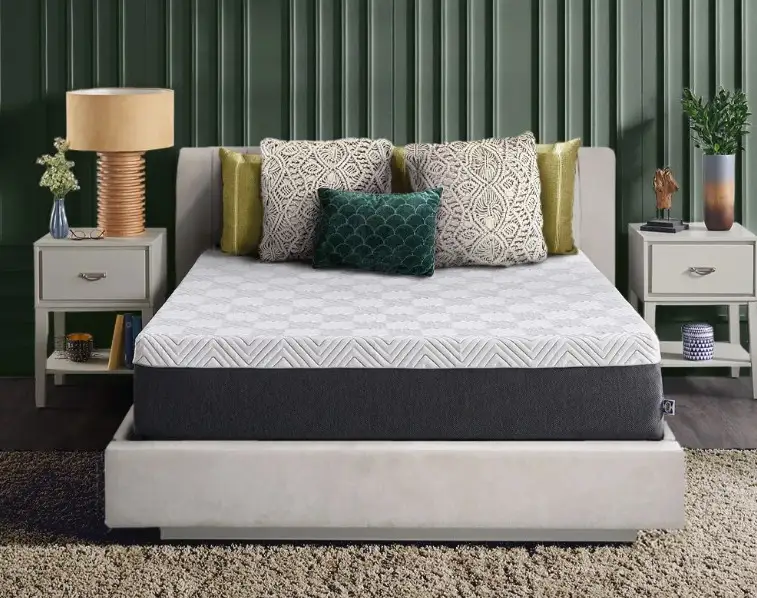
The Sealy Cool uses copper-infused memory foam in its comfort layer. Copper naturally conducts heat away from your body. It also has antimicrobial properties that keep your mattress fresher.
The copper infusion provides contouring support like regular memory foam. But without the heat retention. You get pressure relief for side sleeping. You stay cool enough to sleep through the night.
At medium firmness (6 out of 10), this works well for lighter combination sleepers under 180 pounds. The 12-inch height makes getting in and out of bed easier. Important when you’re managing daily back pain.
My client Joanne runs hot naturally. Add back pain that keeps her moving, and she was waking up drenched. The copper infusion solved both problems.
💡 Pro Tip: The 12-inch profile is ideal for people over 60 or anyone who finds taller mattresses difficult to navigate. You get adequate support without excessive height.
The Specs That Matter:
- Sizes: All standard sizes
- How it feels: Medium at 6 out of 10
- Height: 12 inches (easier access)
- Trial period: Varies by retailer
- Warranty: 10 years
- Delivery: Free delivery available
Who This Works For:
You sleep hot and overheat easily. You’re a lighter-weight sleeper (under 180 pounds). You want natural cooling properties. You need a lower profile for easy bed access. You’re over 60 and height matters.
Who Should Skip It:
You sleep cold and like warmth. You’re over 230 pounds and need firmer support. You want maximum mattress height. You prefer all-foam construction.
11. Serta iComfort Aspire 14″ Memory Foam Mattress: Best All-Foam Option
The Memory Foam Question:
Every mattress on this list has been hybrid construction except this one. Here’s why I included it: some people genuinely prefer the deep contouring that only memory foam provides. They want motion isolation that’s absolutely exceptional. They don’t want coils.
If that’s you, this is your option.
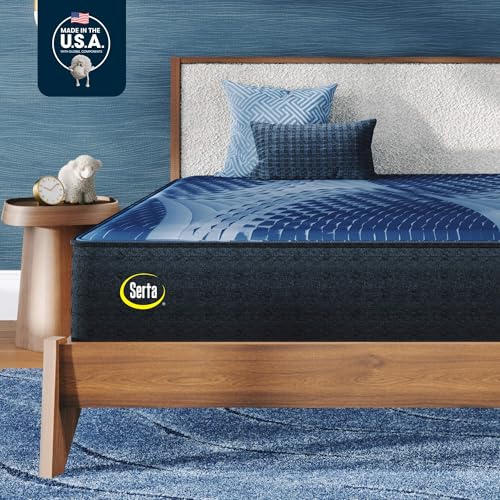
What 5-Zone Support Means:
The iComfort Aspire divides the mattress into five distinct zones. Your head and shoulders get plush cushioning. Your lumbar and hip areas get firmer support. Your legs get softer comfort again.
This zoning solves the combination sleeper problem. When you’re on your side, your shoulders sink into the softer zone. When you flip to your stomach, your midsection stays elevated on the firmer lumbar zone.
The Carbon Fiber Memory Foam layer actively draws heat away. This addresses the temperature retention issue that makes some people avoid memory foam entirely.
At 14 inches tall, there’s substantial support underneath the comfort layers. You won’t bottom out.
💡 Pro Tip: The motion isolation on all-foam mattresses is unmatched. If you’re an extremely light sleeper who wakes when your partner breathes wrong, memory foam might be your answer despite being a combination sleeper.
The Specs That Matter:
- Sizes: All standard sizes
- How it feels: Medium-Firm at 6.5 out of 10
- Height: 14 inches
- Trial period: Varies by retailer
- Warranty: 10 years limited
- Delivery: Free or in-store pickup
Who This Works For:
You prefer memory foam feel over hybrid. You need absolute maximum motion isolation. You want zoned support. You’re comfortable with all-foam construction. You don’t overheat easily.
Who Should Skip It:
You prefer springy, responsive feel. You sleep very hot. You want superior airflow. You prefer hybrid construction. You need edge support for getting in and out of bed.
Best Mattress for Side and Stomach Sleepers with Back Pain
Understanding What Your Body Actually Needs
Let me explain what’s really happening with your back when you sleep. This matters for choosing the right mattress.
Side Sleeping: The Pressure Problem
When you lie on your side, your shoulders and hips stick out. They create contact points that bear most of your weight. If your mattress is too firm, these points build up pressure. Your muscles tense trying to relieve it. That tension radiates to your back.
If your mattress is too soft, your shoulders and hips sink too deeply. Your spine curves unnaturally. Your back muscles compensate. You wake up stiff.
The right mattress cushions those pressure points just enough. Not too much. Your spine stays in a straight horizontal line from your head to your hips.
Stomach Sleeping: The Alignment Challenge
I’m not going to tell you stomach sleeping is “bad” and you should stop. If you’ve been doing it for 50 years, you’re not changing now. Besides, many people with back pain naturally gravitate to stomach sleeping because it can relieve certain types of lower back pressure.
The problem is hip sinkage. When your midsection drops into the mattress, your lower back hyperextends. That creates strain on your lumbar discs. You wake up with that familiar ache.
The right mattress provides firm support under your core. It keeps your hips elevated. Your spine maintains a neutral position. You can breathe comfortably without creating back strain.
Why Combination Sleeping Is So Tricky
Your body needs opposite things depending on position. Side sleeping requires softness. Stomach sleeping requires firmness. Most mattresses excel at one or the other.
This is why medium-firm hybrid mattresses work. The foam layers provide pressure relief. The coil systems provide firm support. You get both.
💡 Pro Tip: Medium-firm on the 1-10 scale is 6-7. This is the sweet spot orthopedic specialists recommend for combination sleepers with back pain. Softer than that and stomach sleeping becomes problematic. Firmer than that and side sleeping creates pressure issues.
Best Mattress for Side and Stomach Sleepers with Back Pain
Body Weight Matters More Than You Think

Your weight dramatically affects how you experience mattress firmness. Here’s what you need to know:
Lightweight Sleepers (Under 130 pounds)
You don’t compress mattress layers as deeply as heavier people. What feels medium-firm to someone who’s 180 pounds might feel downright rigid to you.
Best firmness range: 5.5 to 6.5 out of 10
Best mattresses from this list:
- Puffy Lux Hybrid (5.5/10)
- Helix Midnight Medium (5.5/10)
- Sealy Cool 12″ Medium (6/10)
- DreamCloud Hybrid (6/10)
You need less support structure because your body weight isn’t compressing layers as much. Focus on pressure relief and comfort.
Average Weight Sleepers (130-230 pounds)
You’re in the goldilocks zone. Most mattresses are designed with your weight range in mind. Medium-firm feels genuinely medium-firm to you.
Best firmness range: 6 to 7 out of 10
Best mattresses from this list: All 11 mattresses work well for this weight range. Choose based on your other priorities like cooling, edge support, or budget.
This is the easiest weight category for mattress shopping. Lucky you.
Heavier Sleepers (Over 230 pounds)
You compress mattress layers more deeply. You need stronger coil systems. Higher coil counts. Reinforced support. What feels medium-firm to a 150-pound person might feel too soft to you.
Best firmness range: 7 to 8 out of 10
Best mattresses from this list:
- DreamCloud Ultra Hybrid (strongest coil system)
- Sealy Posturepedic Elite Hybrid II (center reinforcement)
- Serta iComfort Aspire (substantial 14″ profile)
- Nectar Classic Hybrid 5.1 (reinforced edge support)
Focus on coil count, zoned support systems, and high-density foam layers. Edge support matters more for you too.
💡 Pro Tip: If you’re over 230 pounds and sleeping with a partner under 180 pounds, consider a split firmness option. Helix offers this. You each get the support level your body weight requires.
Key Features That Actually Make a Difference
Let me cut through the marketing fluff. These are the features that genuinely matter for back pain relief:
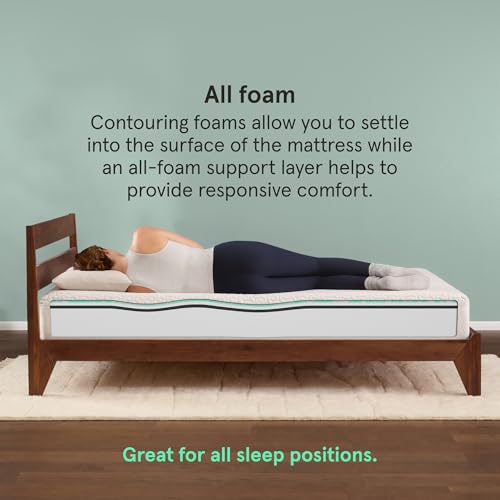
Hybrid Construction (Foam + Coils)
This is non-negotiable for combination sleepers with back pain. You need both pressure relief and firm support. Hybrids deliver both.
Look for:
- At least 2 inches of comfort foam on top
- Individually wrapped coils (not continuous wire)
- 8+ inch coil layer
- Coil count over 1,000 in a Queen size
Why it matters: The foam layers adapt when you’re on your side. The coils provide pushback when you’re on your stomach. You get both comfort and support in one mattress.
Zoned Support Systems
Different body areas need different firmness levels. Period.
What good zoning looks like:
- Softer support under shoulders
- Firmer support under hips and lower back
- Softer support under legs
- At least 3 zones (5 zones is better)
Why it matters: Your shoulders need to sink slightly when side sleeping. Your lower back needs firm support when stomach sleeping. Zoned systems provide both simultaneously.
My client Rachel tried a non-zoned mattress first. Her lower back felt better but her shoulders ached. The zoned DreamCloud Ultra solved both problems.
Motion Isolation
If you share your bed and your back pain makes you restless, motion isolation becomes critical.
What to look for:
- Memory foam comfort layers (best isolation)
- Individually wrapped coils (good isolation)
- Transition layers between foam and coils
- Motion transfer score of 7/10 or higher
Why it matters: You need to move to find relief. Your partner needs to sleep. Motion isolation lets both happen.
Edge Support
Strong edges aren’t luxury. They’re practical necessity when dealing with back pain.
What good edge support provides:
- Stable platform for sitting while putting on shoes
- No collapse when getting in or out of bed
- Full usable sleeping surface (no wasted space)
- Confident feel even near the mattress edge
Why it matters: Weak edges make your back work harder getting in and out of bed. Strong edges provide stable support right to the perimeter.
Cooling Technology
Heat makes pain worse. Research shows this consistently.
Effective cooling features:
- Gel-infused memory foam (draws heat away)
- Copper or graphite infusions (conduct heat)
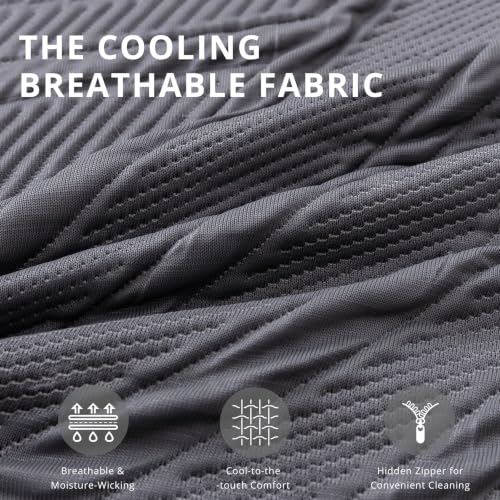
- Phase-change materials in cover (regulate temperature)
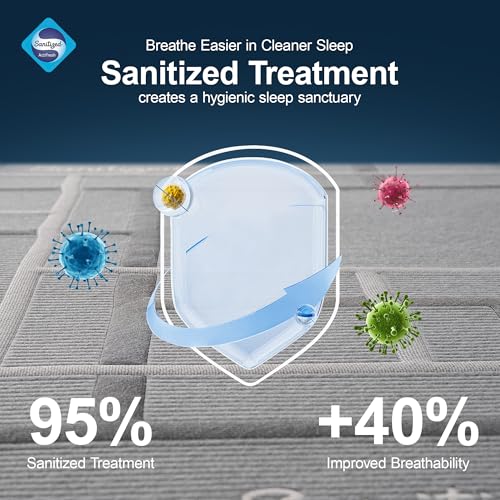
- Coil system for airflow (allows breathability)
Why it matters: Overheating disrupts sleep quality. Poor sleep quality intensifies pain perception. Keeping cool helps you stay asleep and heal better.
💡 Pro Tip: If you sleep hot, prioritize copper or gel infusion over standard memory foam. The temperature difference is noticeable. My client Joanne’s night sweats decreased significantly with copper-infused foam.
How to Actually Choose Your Mattress
You’ve got 11 solid options. Here’s how to narrow it down based on your specific situation:
If Budget Is Your Primary Concern
Best values under $1,500:
- DreamCloud Hybrid (current model): Exceptional features for the price
- Nectar Classic Hybrid 5.1: Solid performance without luxury cost
- Helix Midnight Medium: Reliable support under budget
All three offer 100+ night trials. None compromise on the basics: hybrid construction, medium-firm feel, adequate support.
If You’re Investing in Luxury
Premium options over $2,000:
- DreamCloud Ultra Hybrid: 15-inch luxury with 5-zone support
- Puffy Lux Hybrid: Smart bed system with targeted relief
- DreamCloud Premier: Hand-tufted craftsmanship
Sometimes spending more gets you features that genuinely matter: better coil systems, higher-quality foams, longer warranties.
If You Share Your Bed
Best for couples:
- Nectar Luxe Hybrid: Superior motion isolation (4.8/5 rating)
- Puffy Lux Hybrid: Accommodates different preferences
- Helix Midnight Medium: Split firmness option available
Motion isolation becomes crucial when one or both partners deal with back pain. These three excel at letting you move without disturbing your partner.
If You Sleep Hot
Cooling champions:
- Sealy Cool 12″ Medium: Copper-infused foam
- DreamCloud Ultra Hybrid: Advanced cooling layers
- Nectar Luxe Hybrid: Phase-change material in cover
Don’t underestimate how much temperature affects pain and sleep quality. These three actively regulate heat instead of just being “breathable.”

If You’re Over 230 Pounds
Strongest support systems:
- DreamCloud Ultra Hybrid: 5-zone coil system, highest coil count
- Sealy Posturepedic Elite Hybrid II: Center reinforcement where you need it
- Serta iComfort Aspire: 14-inch high-density construction
You need stronger coils, higher coil counts, and reinforced support zones. These three deliver without feeling overly firm.
If Shoulder Pain Is Your Main Issue
Best pressure relief:
- Puffy Lux Hybrid: Specifically targets hip and shoulder pain
- Helix Midnight Medium: Zoned comfort for pressure points
- DreamCloud Premier: Cashmere Euro-top with progressive layers
Side sleeping creates shoulder pressure. These three excel at eliminating it while still supporting stomach sleeping.
If Lower Back Pain Dominates
Firmest targeted support:
- Sealy Posturepedic Elite Hybrid II: Center-zone reinforcement
- Nectar Classic Hybrid 5.1: Spinal stability focus
- DreamCloud Ultra Hybrid: Prevents hip sinkage
Lower back pain often stems from inadequate support when stomach sleeping. These three provide firm lumbar support without sacrificing side sleeping comfort.
💡 Pro Tip: Write down your top three priorities before shopping. Is it budget? Cooling? Edge support? Motion isolation? Let your priorities guide your choice, not marketing hype or reviews that don’t match your situation.
Understanding Trial Periods and Warranties
This matters more than you think. Back pain relief takes time to evaluate properly.
Why Trial Periods Are Critical
You cannot determine if a mattress helps your back pain in a showroom. You need weeks of sleeping on it. Your body needs time to adjust. Old mattresses trained your body into certain patterns. New ones require adaptation.
Minimum acceptable trial: 100 nights (about 3 months)
Better trial periods: 365 nights (full year)
What to look for:
- No restocking fees (some companies charge $50-100)
- Free return shipping (can cost $200+ if you pay)
- Full refund (not store credit)
- Mandatory break-in period (usually 30 days minimum)
The DreamCloud mattresses and Nectar models offer 365-night trials. That’s exceptional. You get a full year including all four seasons to evaluate if your back pain improves.
How to Use Your Trial Period
Don’t just sleep on it and hope. Track your results systematically.
Week 1-2: Adjustment period
- Your body is adapting to new support
- You might feel slightly worse (this is normal)
- Give it time before judging
Week 3-4: Initial assessment
- Morning pain levels: better, same, or worse?
- Sleep quality: falling asleep easier?
- Position changes: moving less or more?
Week 8-12: Real evaluation
- Compare to your old mattress objectively
- Track ibuprofen usage (taking less?)
- Morning mobility (moving easier?)
- Energy levels throughout day
Keep a simple journal. Rate your pain 1-10 each morning. Note how many times you remember waking up. Track if you’re taking pain medication less often.
💡 Pro Tip: Take photos of your old mattress showing sag areas before it leaves your house. Sometimes we forget how bad the old one was. The photos remind you if you start second-guessing your decision.
Understanding Warranties
Standard warranty: 10 years
This is industry baseline. It covers manufacturing defects. Usually prorated after the first 5 years.
Premium warranty: Lifetime coverage Several mattresses on this list offer lifetime warranties: all DreamCloud models, all Nectar models, and Puffy.
What warranties actually cover:
- Sagging over 1-1.5 inches (varies by company)
- Manufacturing defects in materials
- Broken or defective coils
- Cover defects
What warranties don’t cover:
- Normal wear and tear
- Comfort preferences (“I don’t like how it feels”)
- Stains or damage you caused
- Using wrong foundation (voids warranty)
Red flags:
- Warranty under 10 years (except budget models)
- Coverage only for severe sagging (over 2 inches)
- Excessive staining restrictions (unrealistic for real life)
Read the warranty terms before buying. Make sure you understand foundation requirements. Most require solid platform or slatted base with slats no more than 3 inches apart.
What About Mattress Toppers?
Let me be direct about this. A topper is a temporary solution at best.
When Toppers Actually Work
Your mattress is structurally sound but lacks comfort:
- No sagging or visible wear
- Still provides adequate support
- Just feels too firm for side sleeping
- Relatively new (under 5 years old)
In this specific case, a 2-3 inch memory foam or latex topper might help. It adds cushioning for side sleeping without compromising the support structure underneath.
When Toppers Don’t Work (Most Cases)
Your mattress is old, sagging, or lacks support:
- Visible indentations or valleys
- Over 7-10 years old
- You wake with more pain than when you went to bed
- Stomach sleeping creates lower back strain
No topper will fix structural problems. It’s like putting a cushion on a broken chair. You need a new mattress.
My client Sharon spent $200 on a topper trying to extend her 12-year-old mattress’s life. She spent another $300 on chiropractic visits. Finally bought a proper mattress. Wished she’d done it sooner.
The math doesn’t work. If your mattress is the problem, fix the actual problem.
💡 Pro Tip: If you’re considering a topper to “try out” a firmness level before buying a new mattress, skip it. Use the generous trial periods these mattresses offer instead. Test the real thing.
You might be interested in my latest review, Best Mattress Toppers for Hip Pain and Side Sleepers over 50
Pillow Selection Matters Too
Your mattress is only half the equation. Your pillow significantly affects spinal alignment and back pain.
For Side Sleeping
What you need:
- Thicker, firm pillow (4-6 inches loft)
- Should fill the gap between your shoulder and head
- Keeps your spine straight horizontally
- Prevents neck from bending down or up
What works well:
- Memory foam with high loft
- Latex pillows (naturally supportive)
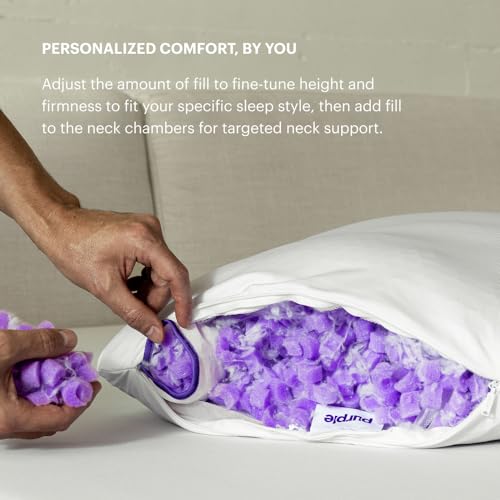
- Adjustable pillows you can customize
Consider placing a pillow between your knees. This aligns your hips and reduces lower back strain. My client Ellen’s hip pain decreased noticeably when she started doing this.
For Stomach Sleeping
What you need:
- Thin, soft pillow (2-3 inches loft)
- Or no pillow at all
- Prevents excessive neck rotation
- Reduces cervical spine strain
What works well:
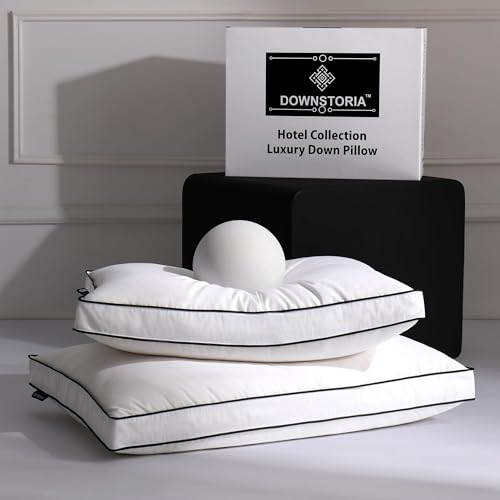
- Down or down-alternative (compresses easily)
- Thin memory foam
- Soft latex with low loft
Some stomach sleepers do better with no pillow under their head. Try placing a thin pillow under your pelvis instead. This reduces lumbar curve and can relieve lower back pain.
For Combination Sleeping
What you need:
- Medium-thickness adjustable pillow (3-4 inches)
- Responsive foam that adapts to position changes
- Not so firm it props your head too high when on stomach
- Not so soft it provides no support when on side
What works well:
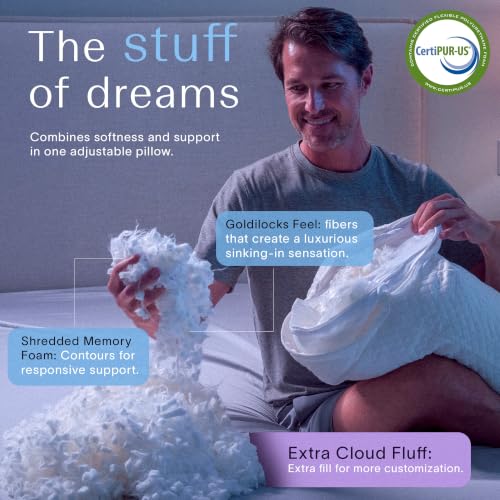
- Shredded memory foam (adjustable fill)
- Adjustable-height pillows with removable layers
- Medium-loft responsive foam
💡 Pro Tip: Replace your pillow when you replace your mattress. Old pillows lose support just like mattresses do. You’ve invested in proper spinal alignment. Don’t undermine it with a worn-out pillow.
Additional Tips for Managing Back Pain
Your mattress is crucial. But it’s part of a bigger picture. Here’s what else helps:
Bedroom Environment
Temperature: Keep your room between 60-67°F Cool temperatures reduce inflammation. They improve deep sleep quality. Better sleep supports healing.
Darkness: Block all light sources
Even small amounts of light disrupt sleep cycles. Use blackout curtains or a sleep mask.
Noise: White noise or earplugs Waking frequently makes pain worse. Uninterrupted sleep helps your body heal.
Evening Routine
Gentle stretching: 10 minutes before bed Focus on lower back, hips, and hamstrings. Nothing intense. Just gentle movement to release tension.
Consistent timing: Same bedtime every night Your body craves routine. Irregular sleep schedules disrupt healing patterns.
Limit screens: 1 hour before bed Blue light suppresses melatonin. Poor sleep quality intensifies pain perception.
Avoid alcohol: Especially close to bedtime It disrupts sleep architecture. You might fall asleep faster but your sleep quality suffers.
Daily Habits
Movement: Regular gentle exercise Strengthening core muscles supports your spine. Even 20 minutes of walking helps.
Posture: Pay attention during the day Slouching at your desk creates patterns that carry into sleep. Sit up straight. Stand tall.
Stress management: Whatever works for you Chronic stress increases muscle tension. Tension worsens back pain. Find your stress relief.
When to See a Doctor
A new mattress can dramatically improve back pain. But it’s not magic. It’s not a substitute for medical care.
See your doctor if:
- Pain doesn’t improve after 8 weeks on new mattress
- Pain radiates down your legs (potential nerve issue)
- Numbness or tingling in extremities (red flag)
- Difficulty controlling bladder or bowels (emergency)
- Unexplained weight loss with back pain (needs investigation)
- Pain progressively worsens despite good support
Don’t tough it out if something seems seriously wrong. Back pain has many causes. Some require medical intervention beyond mattress support.
💡 Pro Tip: Keep a pain journal starting before you get your new mattress. Track pain levels, sleep quality, and daily function. This gives you objective data to share with your doctor if needed. It also helps you recognize gradual improvements you might otherwise miss.
Making Your Final Decision

You’ve read about 11 excellent mattresses. You understand what your body needs. You know what features matter. Now you need to actually choose.
Here’s how to do it without overthinking:
Step 1: Identify Your Non-Negotiables
What absolutely must your mattress do? Pick your top three from this list:
- Budget under $1,500
- Motion isolation for couples
- Strong edge support
- Cooling technology
- Pressure relief for shoulders/hips
- Firm support for stomach sleeping
- Long trial period (365 nights)
- Lifetime warranty
- Specific weight accommodation
Write down your top three. These guide everything else.
Step 2: Eliminate Options
Cross out mattresses that don’t meet your non-negotiables. If you need strong cooling and a mattress isn’t known for that, eliminate it. If you’re over 250 pounds and a mattress works best for lighter sleepers, cross it off.
You should have 3-5 options remaining.
Step 3: Check Current Prices and Promotions
Mattress companies run frequent promotions. The “regular” price you see today might be 30% off next week. Check:
- Company website for current deals
- Holiday sales (Memorial Day, Labor Day, Presidents Day are huge)
- Email signup discounts (usually 10-15% off)
- Bundle deals (mattress + pillows + sheets)
Sometimes a slightly more expensive option becomes the better value during a sale.
Step 4: Read the Fine Print
Before buying, verify:
Trial period:
- How many nights?
- Any fees to return?
- Who pays return shipping?
- Full refund or store credit?
- Break-in period requirement?
Warranty:
- How many years?
- What’s actually covered?
- Prorated or non-prorated?
- Foundation requirements?
Delivery:
- Free or charged?
- White glove delivery option?
- Old mattress removal?
- Typical delivery timeframe?
Step 5: Make the Decision
Pick one. Order it. Give it a real chance to work.
Remember: you have a trial period. This isn’t permanent. If it doesn’t help your back pain after 8-12 weeks, you can return it and try another option.
The worst decision is no decision. Continuing to sleep on a mattress that’s clearly not working while you endlessly research options? That’s the actual mistake.
💡 Pro Tip: Set a calendar reminder for 4 weeks, 8 weeks, and 12 weeks after your new mattress arrives. Do a formal assessment at each point using your pain journal. This prevents you from making an impulsive return decision during the adjustment period.
My Final Thoughts
I’ve worked with enough women dealing with back pain to know how exhausting the mattress search feels. You’re already in pain. You’re not sleeping well. Now you’re supposed to research coil counts and foam density and warranty terms?
It’s overwhelming.
Here’s what I want you to know: you don’t need perfection. You need better. Better than your current situation. Better support. Better pressure relief. Better sleep quality.
Every mattress on this list is better than a 10-year-old mattress that’s lost its support. Every single one will improve your spinal alignment compared to a worn-out bed with visible valleys.
If You’re Still Stuck
Let me make this simple:
If you want proven reliability without breaking the bank:
Start with the DreamCloud Hybrid (current model). It’s medium-firm, it’s versatile, it has a 365-night trial, and it costs less than most options while delivering solid results.
If pressure at your hips and shoulders is your main problem:
Try the Puffy Lux Hybrid. It’s specifically engineered to eliminate pressure points that create compensatory back pain.
If you sleep hot and it’s making everything worse:
Go with the Sealy Cool 12″ Medium. The copper infusion actually works. My clients who run hot consistently report better sleep with this one.
If you’re over 230 pounds and need serious support: Choose the DreamCloud Ultra Hybrid. The 5-zone coil system and 15-inch profile provide the substantial support heavier sleepers require.
If you share your bed and movement is an issue:
Pick the Nectar Luxe Hybrid. The motion isolation will let both of you sleep without disturbing each other.
The Real Bottom Line
Your mattress affects your quality of life every single day. It’s not indulgent to invest in better sleep. It’s not wasteful to replace a mattress that’s clearly not working anymore.
You deserve to wake up without immediately reaching for pain medication. You deserve to sleep through the night without constantly searching for a comfortable position. You deserve support that actually supports you.
Try one of these mattresses. Use the full trial period. Track your results honestly. If it works, great. If it doesn’t, return it and try another.
But please, please stop sleeping on a mattress that’s making your back pain worse. That’s not saving money. That’s spending it on doctor visits, medications, and reduced quality of life instead.
You’re worth the investment. Your back is worth the investment. Your sleep is worth the investment.
Ready to make the change? Choose the mattress that fits your specific needs and give it a real chance. Your back will thank you for it.
Important medical disclaimer: This article shares my professional experience as a Certified Personal Trainer and information from working with clients dealing with back pain. It is not medical advice. Always check with your doctor before making changes if you have existing injuries, chronic conditions, or persistent pain. A mattress is a supportive tool for better sleep and alignment. It is not a medical treatment or cure for back pain. If your pain is severe, worsening, or accompanied by numbness, tingling, or mobility issues, see a healthcare provider.
About the author

Claudia Faucher is a fitness and lifestyle blogger who shares practical tips for women over 50 on staying active, stylish, and confident. As the creator of FitFab50.com and Beyond59.com, she covers topics like workout gear, beauty trends, and wellness routines. Claudia is passionate about helping others live their best life at any age.
Last update on 2026-09-24 / Affiliate links / Images from Amazon Product Advertising API