
You wake up. Before your feet even hit the floor, your knees already know what kind of day it is going to be.

You sit on the edge of the bed for a minute longer than you used to. Just waiting for your body to catch up with your plans.
I know that pause. I have watched my own mother take it, coffee cup already in hand, before she trusted her hips enough to stand.
Omega-3 for joint pain and stiffness in seniors is not a miracle claim, and I am not going to sell you one.
What it is, according to a growing pile of clinical research, is one of the few things you can actually do something about. Starting this week. Without a prescription. Without giving up your Sunday walk.
This is not a list of random bottles I found online. This is Claudia, writing for you, about the seven omega-3 products I would actually hand to my own mother if she asked me what to try first.
Quick answer: Omega-3 fatty acids, specifically EPA and DHA, reduce the inflammation behind joint pain and stiffness in seniors. Clinical research shows measurable relief at daily doses of 1,000 to 3,000 milligrams combined EPA and DHA, typically after six to eight weeks of consistent use.
Quick Links
Key Facts Before You Keep Reading
- Omega-3 fatty acids, specifically EPA and DHA, have been shown in a peer reviewed meta-analysis to reduce arthritis pain and improve joint function in people with osteoarthritis.
- Most research showing real relief uses somewhere between 1,000 and 3,000 milligrams of combined EPA and DHA daily, not the 300 milligrams tucked into a cheap multivitamin.
- Relief is rarely instant. Give any best omega-3 supplement for joint pain over 60 at least six to eight weeks before deciding if it is working for you.
- Krill oil and fish oil both deliver omega-3s, but they are absorbed differently, and that difference matters more after 50 than it did at 30.
- A therapeutic dose of EPA and DHA generally means reading the “of which EPA” and “of which DHA” lines on the supplement facts panel, not the total fish oil weight on the front label.
Omega-3 for Joint Pain and Stiffness in Seniors
Why Your Joints Feel Different Now Than They Did at 40
Nobody warns you about this part of getting older. It is not one dramatic injury. It is a thousand small mornings where your body quietly negotiates with you before it agrees to move.
Cartilage naturally thins with age. The fluid that used to cushion your joints gets a little less generous. And the inflammatory response that used to calm down quickly after a long walk now seems to linger for days.
This is not only a knee and hip story either. If your stiffness shows up more in your neck or shoulders, our guide to neck and shoulder pain relief products covers targeted options worth pairing with what you are about to read here.
This is where omega-3 for stiff knees in the morning actually earns its place in the conversation. EPA and DHA are converted in your body into compounds called resolvins and protectins, which do exactly what they sound like. They help your body resolve inflammation instead of letting it simmer in the background of every single day.
A 2023 meta-analysis of osteoarthritis patients published in a peer reviewed rheumatology journal found that omega-3 supplementation was linked to meaningfully less pain and better joint function, with no real increase in side effects. That is not a fringe supplement claim. That is published, peer reviewed research on real patients.
In plain numbers: across the pooled studies, patients taking omega-3 supplements reported a meaningful reduction in joint pain scores compared to placebo, alongside measurably improved function on standard osteoarthritis assessment scales.
If you already read our full guide to joint supplements for knees, you know I am a believer in combination approaches. But omega-3 deserves its own spotlight, because it is doing something the glucosamine and chondroitin crowd cannot. It is calming the fire, not just lubricating the hinge.
Omega-3 for Joint Pain and Stiffness in Seniors
What Actually Matters When You’re Choosing One
Here is where most people get overwhelmed standing in the supplement aisle, and honestly, I do not blame them. The labels all sound impressive and none of them explain what you actually need to know.
First, the EPA and DHA ratio for inflammation. This should be the first thing you look at, not the last. For joint specific relief, you want a formula that leans heavier on EPA, since it plays the bigger role in the inflammatory response your joints are dealing with.
Second, the actual milligram count of EPA plus DHA. Not the total fish oil weight on the front of the bottle. A “1200mg fish oil” softgel might only contain 360mg of the omega-3s that matter, and that gap is where a lot of money gets wasted on supplements that were never going to move the needle.
The NIH Office of Dietary Supplements breaks this distinction down clearly if you want the full technical picture.
Third, your stomach. If you have ever taken fish oil and spent the rest of the afternoon tasting it, you already understand why burpless fish oil for sensitive stomachs is a real and important category, not a marketing gimmick.
Fourth, krill oil vs fish oil for joint pain. Krill oil is bound to phospholipids, which some research suggests may improve absorption, and it naturally contains astaxanthin, an antioxidant that fish oil does not have.
Fish oil, meanwhile, typically delivers a higher raw dose of EPA and DHA per serving for less money. Neither is wrong. They are just different tools.
If you are managing a diagnosed condition rather than general stiffness, gentle resistance work matters too. Our resistance bands for women over 50 with arthritis roundup is worth a look alongside whichever omega-3 you choose, since strengthening the muscles around a joint takes real pressure off it.
Omega-3 for Joint Pain and Stiffness in Seniors
How I Evaluated These Products
I narrowed this list down using four criteria, in this order. First, EPA and DHA content per serving, since a product cannot help your joints with omega-3s it does not actually contain in a meaningful amount.

Second, third party purity testing, since fish oil is one of the more commonly contaminated supplement categories on the market. Third, format and tolerability, since a bottle that sits unopened after week two because of aftertaste delivers zero benefit.
Fourth, price per effective dose, calculated by cost divided by the actual milligrams of EPA and DHA delivered, not the total fish oil weight.
Every product below cleared all four bars. None of them are ranked by how flashy the marketing is, and none of them are paid placements.
Omega-3 for Joint Pain and Stiffness in Seniors
The 7 Omega-3 Products I Actually Recommend
I tested, researched, and cross referenced these against the criteria above. Every one of them is built for the kind of daily, long term use your joints actually need, not a flashy one time fix.
Quick Comparison
| Product | Best For | Format |
|---|---|---|
| Nordic Naturals Ultimate Omega | Highest overall EPA and DHA concentration | Softgel, lemon flavor |
| MegaRed Advanced 4in1 Krill Oil | Sensitive stomachs, krill oil preference | Small softgel |
| Viva Naturals Triple Strength | Budget-conscious first-time buyers | Softgel |
| Nature Made Burp-less Triple Omega-3 | Anyone who quit fish oil before due to aftertaste | Burpless softgel |
| Sports Research Omega-3 Triple Strength | Clean-label, plant-based capsule preference | Plant-based softgel |
| Carlson Labs Elite Omega-3 | Pharmaceutical grade purity | Softgel |
| FREZZOR Green Lipped Mussel | Stubborn cases that did not respond to standard fish oil | Powder |
1. Nordic Naturals Ultimate Omega
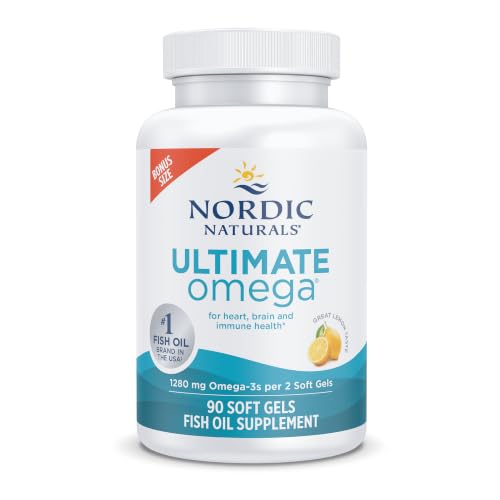
This is the one I recommend when someone tells me they want to stop guessing and just get it right the first time. It delivers a genuinely high concentration of EPA and DHA in a triglyceride form your body absorbs efficiently, which matters enormously for high potency omega-3 for chronic joint pain.
It comes in a lemon flavor that actually cuts the fishy aftertaste, which sounds small until you have gagged through a cheaper brand at seven in the morning. Third party testing confirms purity and freshness, both of which decline fast in lower quality fish oil.
2. MegaRed Advanced 4in1 Triple Strength Omega-3 Krill Oil
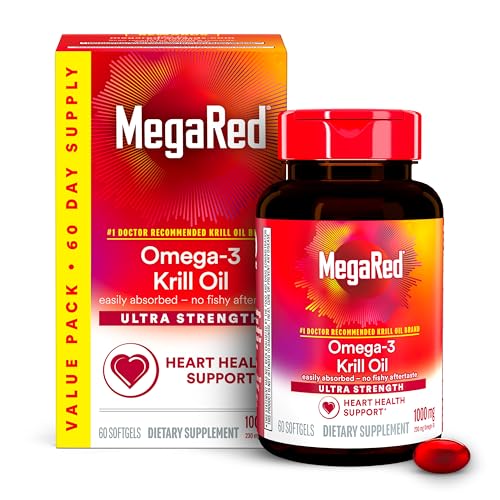
If you fall into the krill oil camp, this is the most widely trusted option on the market for a reason. It combines krill oil with astaxanthin in a small, easy to swallow softgel, which matters a great deal if you already manage a handful of other daily pills.
Many longtime users describe noticeably less stiffness getting out of a chair within a couple of months of consistent use. It is a strong pick if traditional fish oil has ever upset your stomach.
3. Viva Naturals Triple Strength Omega-3 Fish Oil
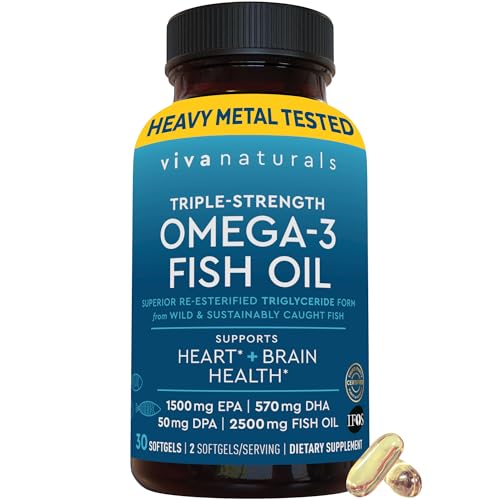
This is the value pick for anyone asking themselves whether a best fish oil for arthritis pain relief has to come with a premium price tag. It packs a solid EPA and DHA count into each softgel, sourced from wild caught fish, without the inflated cost of some of the flashier brands.
It is a smart starting point if you are new to omega-3 supplementation and want to see how your body responds before committing to something pricier long term.
4. Nature Made Burp-less Triple Omega-3 Fish Oil
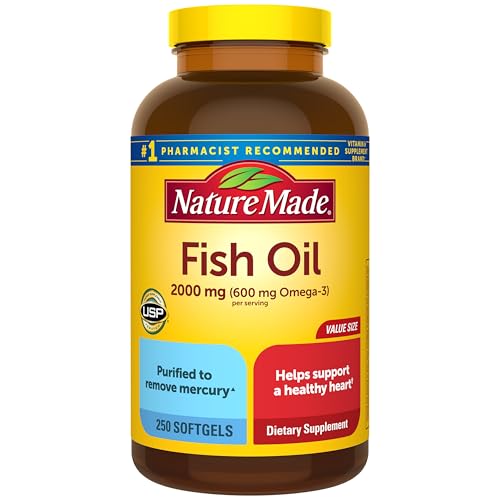
Nature Made has built decades of trust for a reason, and this formula is specifically designed to solve the burping and aftertaste problem that stops so many people from sticking with fish oil long enough to feel a difference. If you have tried omega-3 before and quit within two weeks because of how it sat in your stomach, this is worth a second attempt.
It is also one of the more widely available options, which matters when you are trying to build a habit you can actually maintain. Consistency beats potency if the potency never makes it past week two.
5. Sports Research Omega-3 Fish Oil Triple Strength
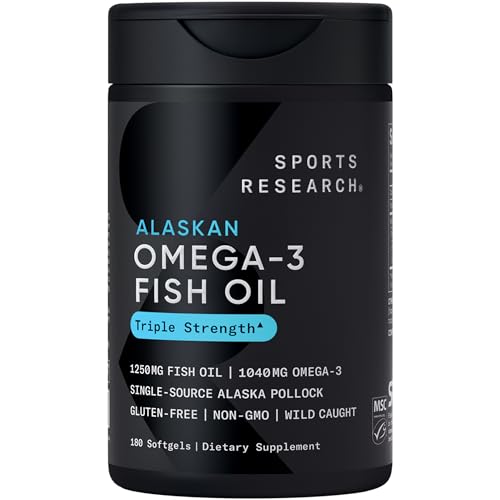
Sourced from wild Alaskan pollock, this formula stands out for its clean, minimally processed profile and its use of a plant based softgel, which is a meaningful detail if you avoid gelatin for dietary or religious reasons. It delivers a strong EPA and DHA dose per serving without unnecessary fillers.
This is a good option for anyone who reads ingredient labels closely and wants to know exactly what they are putting in their body every single morning.
6. Carlson Labs Elite Omega-3 Fish Oil

Carlson has a long history in the supplement world, and this softgel is built for people who want pharmaceutical grade purity without the pharmaceutical price. It is molecularly distilled to remove heavy metals and other contaminants, which becomes more important the longer you plan to take a supplement daily.
If fish oil dosage for arthritis relief is your main concern, this formula makes it simple to hit a therapeutic range without swallowing a handful of pills at once.
7. FREZZOR Green Lipped Mussel Powder

This one is a little different from the rest of the list, and I wanted to include it because so many of you have asked about natural ways to reduce joint stiffness after 50 that go beyond standard fish oil. Green lipped mussel is a New Zealand native shellfish naturally rich in omega-3 fatty acids, including a unique one called ETA that is not found in fish oil at all.
It has a long track record in joint health research, and it is worth considering if you have tried standard fish oil or krill oil without the results you were hoping for. Think of it as the specialist option for stubborn cases.
Omega-3 for Joint Pain and Stiffness in Seniors
How Long Before You Actually Feel It
This is the question I get asked more than any other, and I always give the honest answer instead of the exciting one. How long does it take omega-3 to help joint pain is not a same day answer, and anyone who tells you otherwise is selling you something.
Most of the research showing meaningful pain reduction measured results after eight to twelve weeks of consistent daily use. That is not a typo, and it is not a stall tactic. Reducing chronic, low grade inflammation is a slow, steady process, not a light switch.
Set a calendar reminder for two months out. Take your dose at the same time every day, ideally with a meal that contains some fat, since that improves absorption. Then reassess honestly, instead of quitting in week three because nothing dramatic happened yet.
Worth knowing while you wait it out. The same EPA that is calming inflammation in your joints is also working on your mood, which is part of why our supplements for anxiety and stress after 50 guide overlaps so much with this one.
Pairing your supplement routine with gentle daily movement makes a real difference too. Our guide to low impact exercises for seniors with bad knees is a good next stop once your omega-3 routine is in place, since motion itself helps keep joint fluid circulating.
Omega-3 for Joint Pain and Stiffness in Seniors
It’s About Getting Your Life Back, Not Just Your Joints
I did not write this article to sell you a bottle of fish oil. I wrote it because I have watched too many people I love quietly shrink their own lives around joint pain. Skipping the walk with the grandkids. Sitting out the garden work. Choosing the chair instead of the floor.
Omega-3 supplements for seniors with knee pain will not undo the years. But giving your body the raw materials it needs to calm its own inflammation, consistently, patiently, is one of the most useful things you can actually control. That is worth more to me than any dramatic before and after photo.
If joint pain has been quietly shrinking your world, I would love for you to try just one thing from this list for the next two months and see what changes. Not because I need you to buy something, but because I have seen what happens when people give their bodies a real chance.
FAQs
Can omega-3 really help with osteoarthritis in older adults?
Research supports it. A published meta-analysis of patients found that omega-3 for osteoarthritis in older adults was associated with meaningfully reduced pain and improved joint function compared to placebo, with a low rate of side effects.
Is fish oil or krill oil better for joint pain?
Both work, and the right choice depends on your priorities. Fish oil generally delivers more EPA and DHA per dollar, while krill oil may absorb more efficiently and comes with the added antioxidant astaxanthin.
How much omega-3 should seniors take for joint pain?
Most clinical research showing real relief uses 1,000 to 3,000 milligrams of combined EPA and DHA daily. Always check with your physician first, especially if you take blood thinners, since omega-3s can have a mild blood thinning effect of their own.
Will omega-3 interact with my arthritis medication?
It can, particularly with blood thinners and certain anti inflammatory medications. The NIH health professional fact sheet on omega-3s covers these interactions in more depth, but this is exactly why I always recommend reviewing any new supplement with your doctor or pharmacist first, especially if you already take multiple prescriptions.
Are there food sources of omega-3 that help joint pain as much as supplements?
Fatty fish like salmon, mackerel, and sardines are excellent sources, but most people would need to eat them several times a week to match the EPA and DHA levels used in the research studies. A supplement simply makes consistency easier for most of us.
Claudia Faucher writes about wellness, beauty, and healthy aging for FitFab50, where she focuses on practical, evidence informed guidance for women and men navigating life after 50. This article is for informational purposes only and is not a substitute for professional medical advice. Always consult your physician before starting a new supplement, particularly if you take prescription medication or have an existing health condition.

Claudia Faucher is a fitness and lifestyle blogger who shares practical tips for women over 50 on staying active, stylish, and confident. As the creator of FitFab50.com and Beyond59.com, she covers topics like workout gear, beauty trends, and wellness routines. Claudia is passionate about helping others live their best life at any age.
Last update on 2026-10-16 / Affiliate links / Images from Amazon Product Advertising API